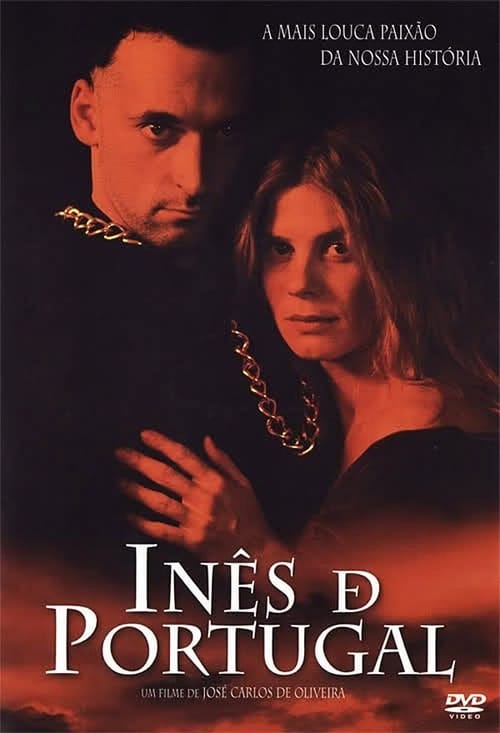
Inês de Portugal
1997
No user ratings available yet
Representation score: 3.2 out of 10
Representation Score
Minimal
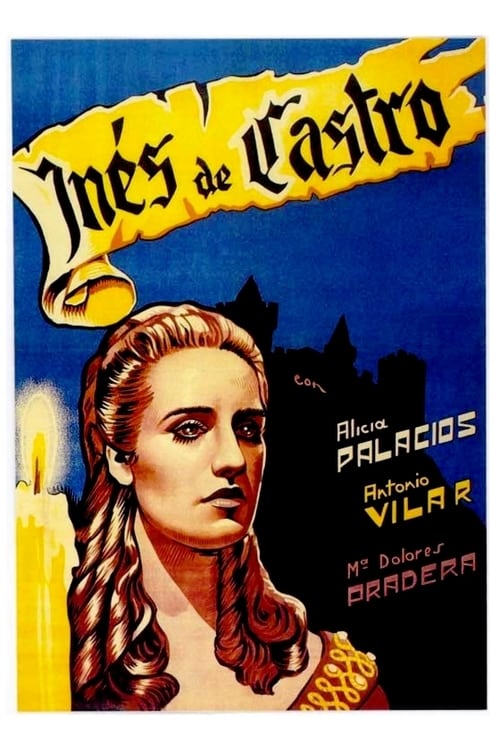
1944
Director
José Leitão de Barros, Manuel Augusto García Viñolas
Runtime
82 minutes
Average Rating
No ratings yetNew Showbiz Analysis
Inés de Castro is a traditional historical drama that prioritizes national mythos and classical tragedy. The film examines the clash between individual impulses and the rigid demands of the state. While the female lead serves as a powerful emotional catalyst, the storytelling remains rooted in conventional, Eurocentric, and straight-centered traditions. The narrative architecture reinforces established social hierarchies rather than challenging them. Ultimately, the film serves as a period piece reflecting the specific social and geographic context of its era, offering little disruption to contemporary social norms.
Category Breakdown
The film adheres to a strictly straight-centered framework, focusing on a monogamous romance between the Prince and his lady-in-waiting. There is no representation of non-cisgender identities.
Inés de Castro acts primarily as an emotional catalyst, but her role is limited to romantic desires. The narrative reinforces patriarchal hierarchies, where male political decisions determine the fates of female characters.
The casting is homogeneous and reflects a strictly Eurocentric view of the 14th-century Portuguese monarchy. There is no inclusion of non-European identities or color-blind casting.
The story portrays monarchy and religious influence as authoritative, inevitable forces. It highlights the tension between personal passion and institutional duty without offering a secular or anti-establishment critique.
There is no focus on visible or invisible disabilities within the narrative or historical context provided.
Present on Screen
Limited or Absent
Official Synopsis
In 1336, Pedro, heir to the Portuguese crown, marries Constanza Manuel de Villena, a Castilian noblewoman, for political reasons; but the impulsive prince ends up giving in to his love for Inés de Castro, his wife's lady-in-waiting.
1997
1994

1956
1969
1961
1934
1939

1934
No reviews yet. Be the first to share your thoughts on this movie!
Use the rating form above to leave a star rating and optional review.