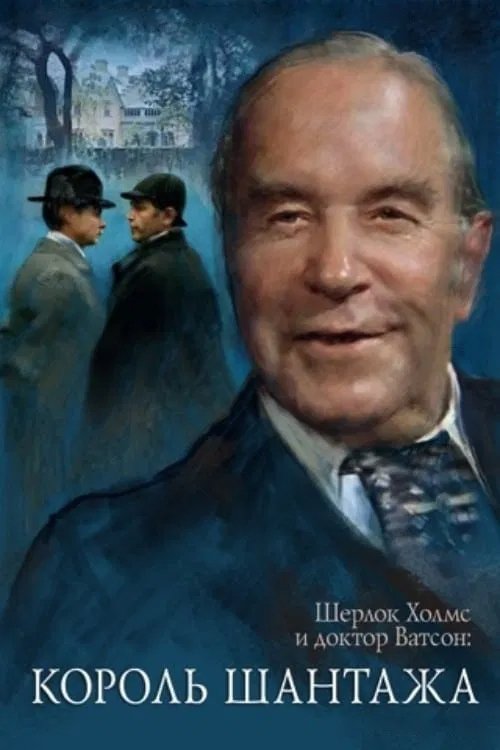
The Adventures of Sherlock Holmes and Dr. Watson: King of Blackmailers
1980
No user ratings available yet
Representation score: 1.6 out of 10
Representation Score
Minimal
1981
Director
Igor Maslennikov
Runtime
72 minutes
Average Rating
No ratings yetNew Showbiz Analysis
This Soviet adaptation prioritizes historical and literary authenticity over modern characters who reflect more than one aspect of diversity. It functions as a traditionalist period piece that upholds classical detective clichés and established social hierarchies. The film's narrative structure centers on male-driven deductive reasoning and intellectual authority. This focus leaves little room for diverse perspectives or the subversion of Victorian-era social norms. Ultimately, the production serves as a disciplined, faithful recreation of the source material. It maintains a stable, traditionalist worldview that reflects the demographic and social constraints of the setting.
Category Breakdown
The film contains no LGBTQ+ characters or themes. It adheres strictly to the social structures of the Victorian era, where everyone is assumed to be straight or cisgender.
Intellectual dominance and leadership roles are reserved for male protagonists Holmes and Watson. Female characters like Beryl Stapleton serve primarily as secondary narrative catalysts, highlighting the narrow focus on male control over the story.
Casting is predominantly homogeneous to reflect the historical setting. The film depicts a society where white individuals dominate, consistent with the era's demographic reality.
The narrative emphasizes rationalism and scientific deduction over superstition. It focuses on the restoration of social stability through logic and order, reflecting the rationalist ideals of the time.
There is no significant focus on visible or invisible disabilities. Characters are defined by social class and their utility to the mystery.
Present on Screen
Limited or Absent
Official Synopsis
The second part of the Soviet TV adaption.
1980
1981
1980
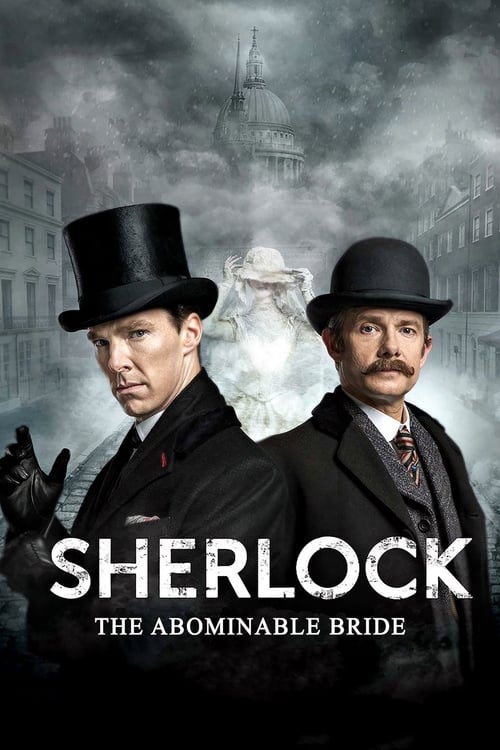
2016
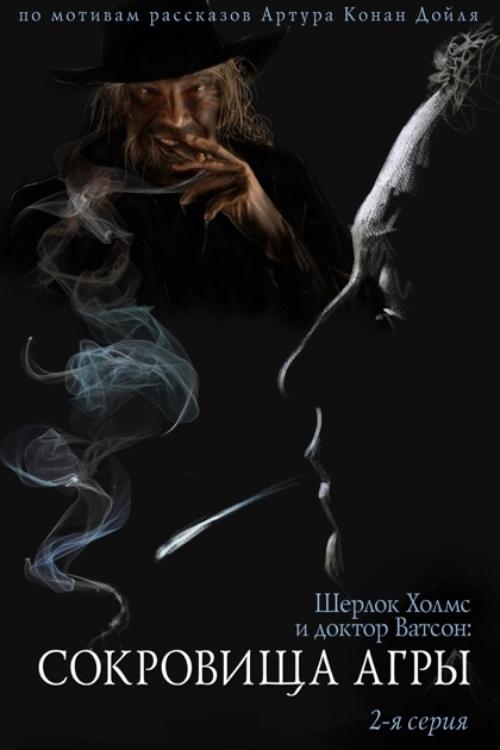
1983
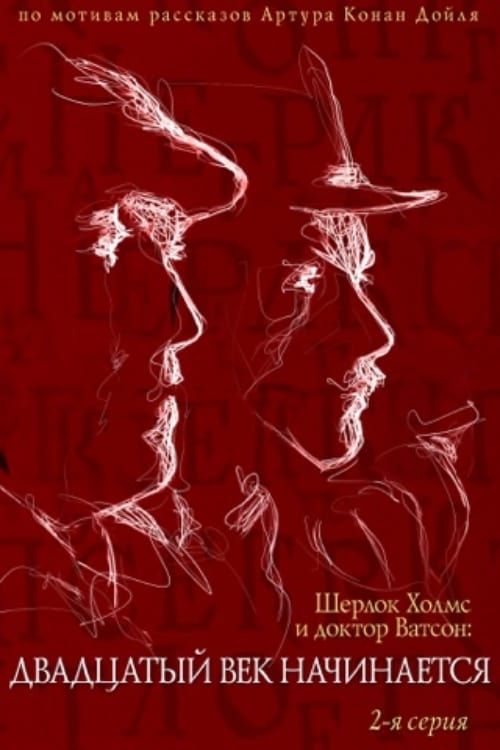
1988
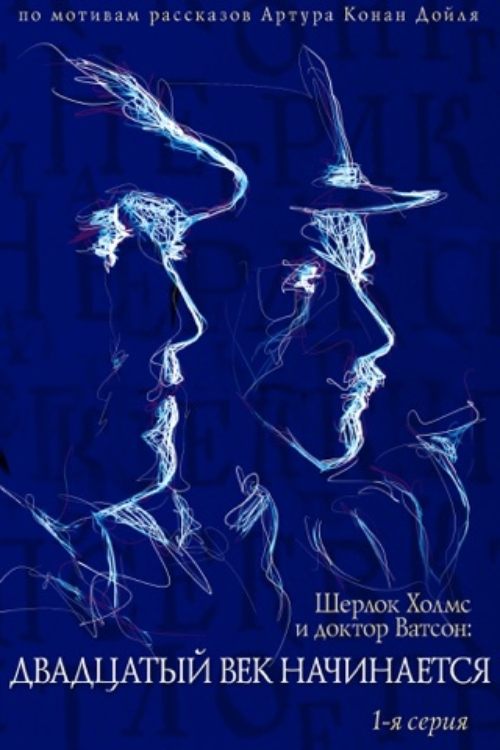
1988
1980
No reviews yet. Be the first to share your thoughts on this movie!
Use the rating form above to leave a star rating and optional review.