The Adventures of Sherlock Holmes and Dr. Watson: The Twentieth Century Begins - Part 2
1988
No user ratings available yet
Representation score: 3.4 out of 10
Representation Score
Limited
1988
Director
Igor Maslennikov
Runtime
77 minutes
Average Rating
No ratings yetNew Showbiz Analysis
This production prioritizes historical realism and fidelity to Arthur Conan Doyle’s original character dynamics. By replicating the social and cultural norms of the turn of the 20th century, the film maintains a traditionalist aesthetic. The narrative structure preserves the atmosphere of the source material, resulting in a portrayal that mirrors the period-accurate social norms of the era. Ultimately, the film functions as a classicist study of the detective genre, emphasizing intellectual order and historical accuracy over contemporary social commentary.
Category Breakdown
The film reflects the social structures of the Edwardian era, focusing on the friendship between Holmes and Watson without depicting any same-sex relationships.
Women in the film are mainly portrayed as clients or domestic figures, while the narrative emphasizes male intellect and leadership, reinforcing traditional gender roles.
The cast is predominantly white and European, reflecting the historical context of the British Empire. The film presents a homogeneous social landscape without incorporating modern diversity practices.
The production maintains a classicist perspective on the transition of eras, avoiding singular religious morality and emphasizing the secular, intellectual nature of the detective genre.
The film does not significantly address visible or invisible disabilities. Characters with physical or mental health issues are not central to the narrative or the characters' roles.
Present on Screen
Limited or Absent
Official Synopsis
The final film of the television series "The Adventures of Sherlock Holmes and Dr. Watson." It is based on the late and little-known stories of Arthur Conan Doyle, united by the theme of the approaching world war and the struggle of the legendary detective with foreign spies.
1988
1981

1983

1942
1980
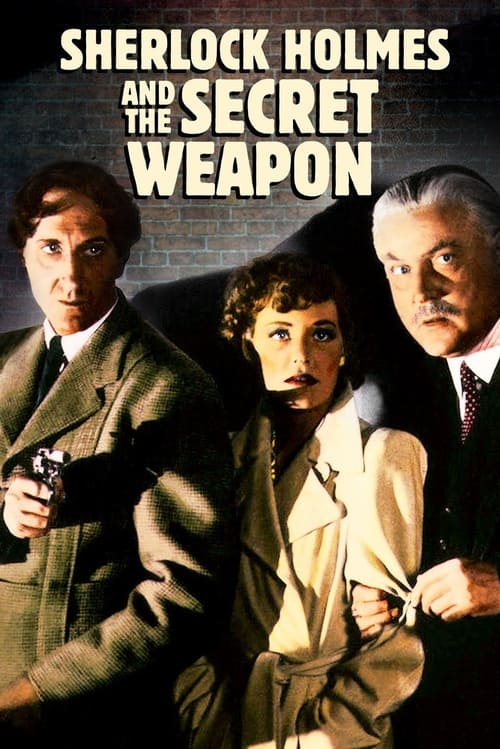
1942
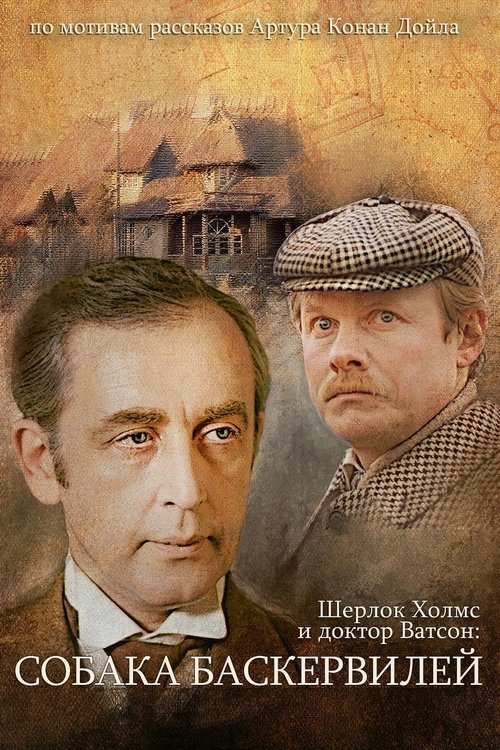
1981
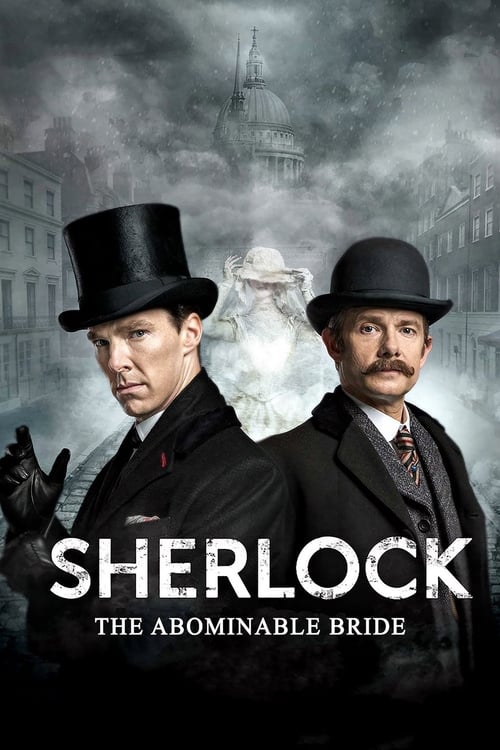
2016
No reviews yet. Be the first to share your thoughts on this movie!
Use the rating form above to leave a star rating and optional review.