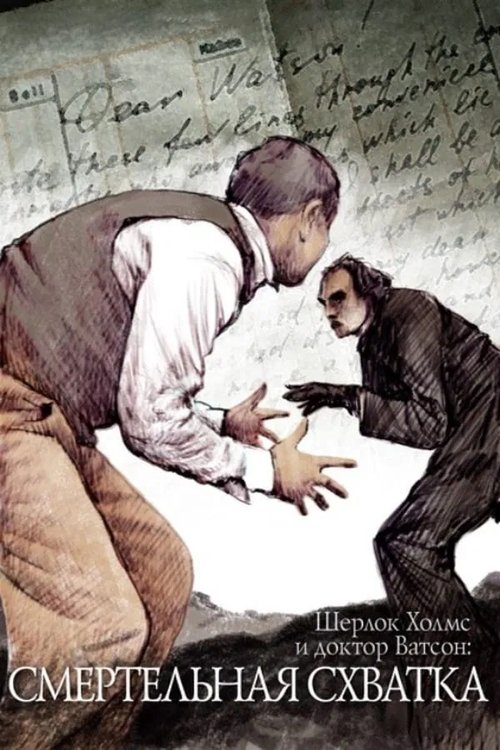
The Adventures of Sherlock Holmes and Dr. Watson: Mortal Fight
1980
No user ratings available yet
Diversity score: 2.8 out of 10
1980
Director
Igor Maslennikov
Runtime
66 minutes
Average Rating
No ratings yetSynopsis
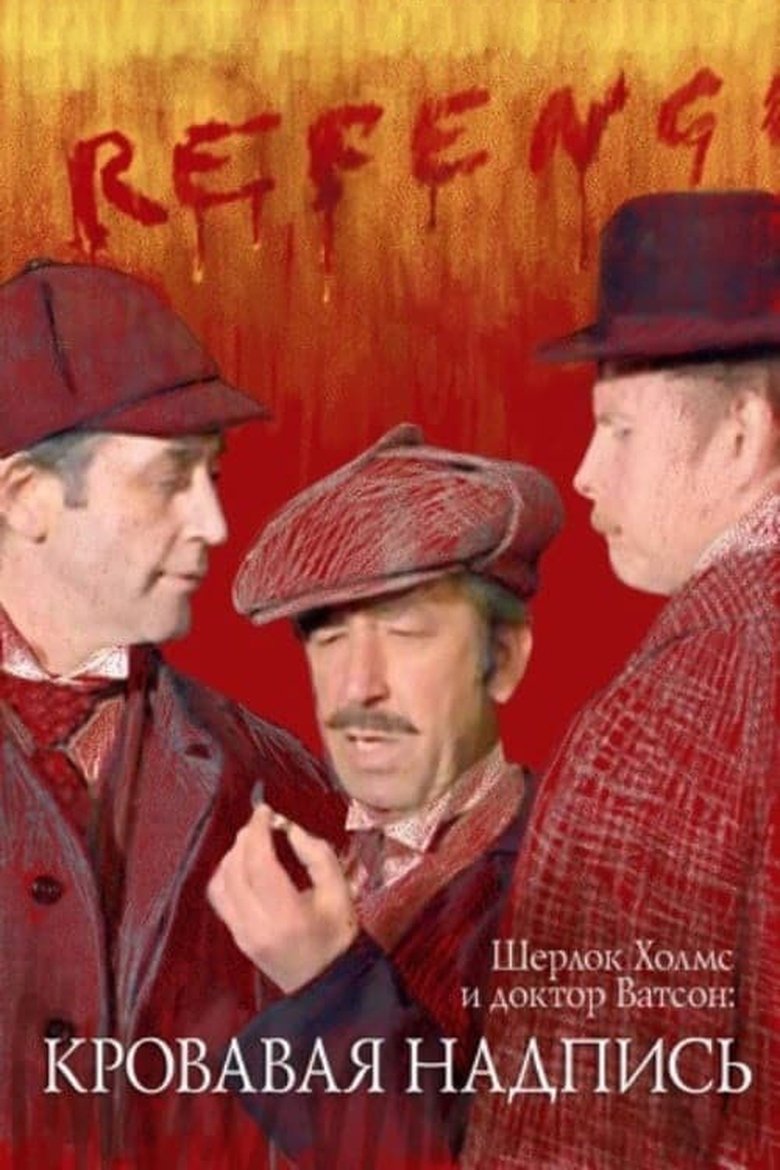
Holmes receives a message from Inspector Gregson about a strange case in an abandoned house on Brixton Road: the body of an elderly American was found there, and the word "Revenge" is written in blood on the wall.
Overall Score
Fair
Category Breakdown
LGBTQ+ Representation
The film adheres to Victorian social constraints without explicit depictions of queer romance. While Holmes and Watson share a profound, vulnerable emotional bond, it remains within traditional heteronormative frameworks.
Gender Representation
The narrative centers on a masculine intellectual partnership, reinforcing traditional leadership structures. Female characters possess social agency appropriate to the era, though they rarely drive the central plot.
Racial & Ethnic Diversity
The setting presents a largely homogeneous Anglo-Saxon landscape. While an elderly American is mentioned, the production does not utilize diverse ethnic ensembles or race-bent casting.
Religious & Cultural Diversity
As a Soviet production, the film subtly deconstructs Western imperial institutions by highlighting systemic decay. It focuses on investigative nuance rather than the glorification of state authority.
Disability Representation
No characters with visible disabilities are central to the plot. Holmes’s hyper-focus is treated with intellectual respect, though it lacks a modern framework of disability agency.
Strengths
Areas for Improvement
AI Analysis
Maslennikov’s adaptation prioritizes historical atmosphere and psychological depth over modern intersectional representation. The film functions as a traditionalist period piece that stays faithful to the social hierarchies of Victorian London. The production excels in character-driven storytelling and avoids common tropes like the 'damsel in distress.' However, the narrative remains centered on a homogeneous, male-dominated social structure. Ultimately, the film offers a sophisticated study of character and institutional failure rather than a disruption of systemic social norms.
1980
1988
1983
1980
1983
1980
1986
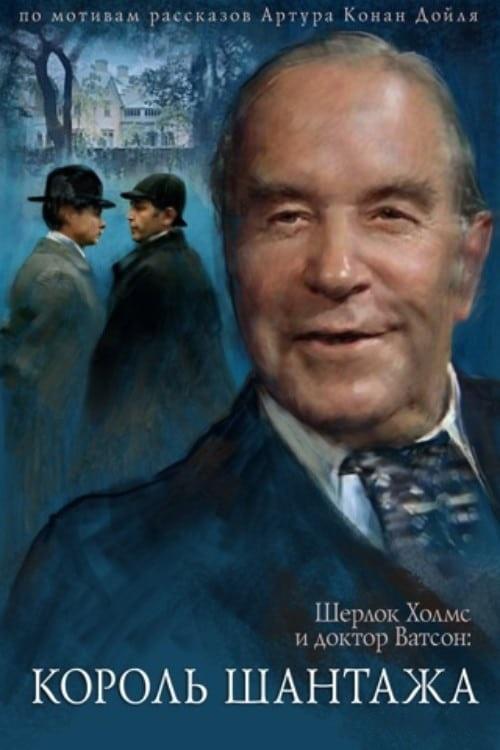
1980
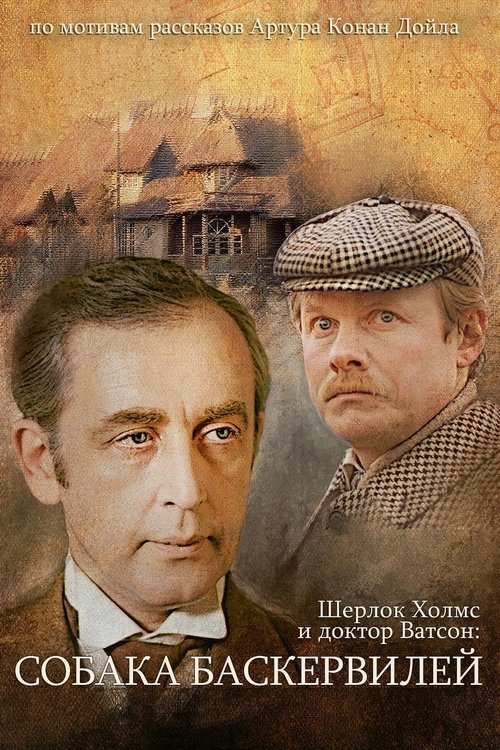
1981
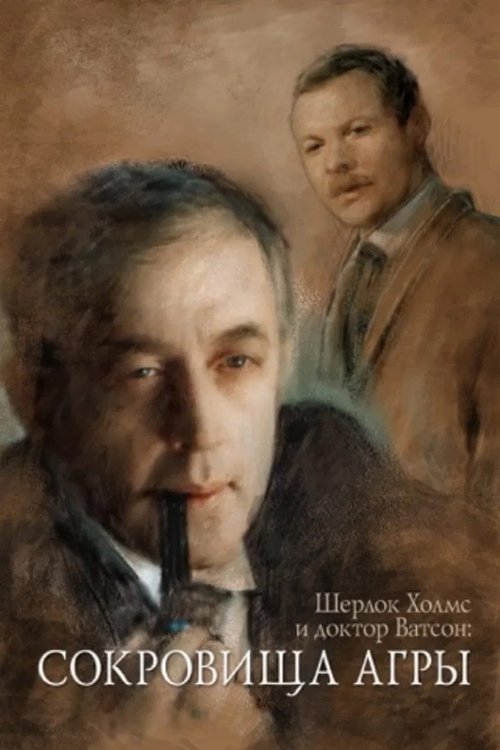
1983
1981
1986
No reviews yet. Be the first to share your thoughts on this movie!
Use the rating form above to leave a star rating and optional review.