
The Adventures of Sherlock Holmes and Dr. Watson: Irene Adler
1983
No user ratings available yet
Diversity score: 2.7 out of 10
1980
Director
Igor Maslennikov
Runtime
68 minutes
Average Rating
No ratings yetSynopsis
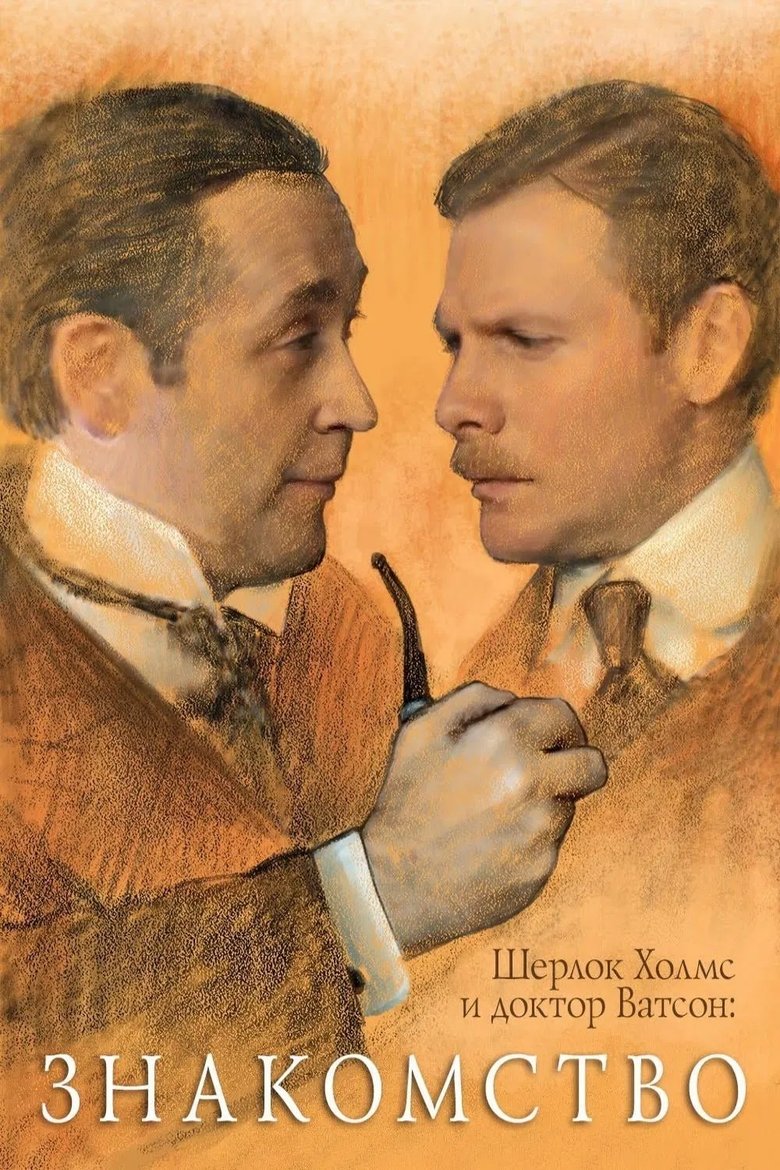
Dr. Watson, who served in the English armed forces and was in the Afghan war, retires and returns to his homeland, in England. Since the financial situation of the doctor is very precarious, his long-time friend Mr. Stamford offers him to rent a room in the house at 221-B Baker Street, which is rented by an elderly lady - Mrs. Hudson. The second rented room is already occupied by another gentleman - the mysterious Mr. Sherlock Holmes. Holmes makes an ambiguous impression on Watson. He conducts complex chemical experiments with blood, plays the violin, has the deepest knowledge about cigar ash, London dirt and criminal law, but at the same time demonstrates complete ignorance of well-known truths (for example, the fact that the Earth revolves around the Sun), does not read fiction, as well as books on history and philosophy. At the same time, very strange visitors constantly come to Holmes, and on the table he has portraits of personalities of a disgusting appearance.
Overall Score
Minimal
Category Breakdown
LGBTQ+ Representation
The film focuses entirely on the platonic, intellectual bond between Holmes and Watson. There are no depictions of non-cisnormative identities or same-sex intimacy. It adheres strictly to the heteronormative structures of the 19th century.
Gender Representation
Narrative agency is almost exclusively reserved for male characters and their professional camaraderie. While Mrs. Hudson appears, she serves a functional, peripheral role as a landlady. The film reflects a patriarchal, period-accurate social hierarchy.
Racial & Ethnic Diversity
The cast is highly homogeneous, presenting a predominantly white, European lens of Victorian London. There is an absence of non-Anglo-Saxon characters in prominent roles, mirroring the demographic exclusivity of the era.
Religious & Cultural Diversity
The story operates within a framework of Western historical realism and traditional social etiquette. It follows a standard detective procedural format that respects established institutional norms and the existing Victorian class system.
Disability Representation
The film lacks a significant focus on physical disability or neurodivergence. Holmes's eccentricities and hyper-fixations are treated as intellectual idiosyncrasies rather than being explored through the lens of disability or agency.
Strengths
Areas for Improvement
AI Analysis
This production prioritizes historical fidelity and atmospheric authenticity over modern social subversion. It functions as a faithful reconstruction of 19th-century social hierarchies, emphasizing traditional Western tropes and classical character development. The narrative architecture is built around male intellectualism and a homogeneous social landscape. By mirroring the demographic and social exclusivity of the Victorian era, the film avoids challenging existing power dynamics or introducing intersectional perspectives. Ultimately, the film serves as a period study that values the established social order. It focuses on the detective procedural format rather than attempting to deconstruct or expand upon the era's social structures.
1983
1980
1980
1981

1983
1986
1980

1988
1980
1986
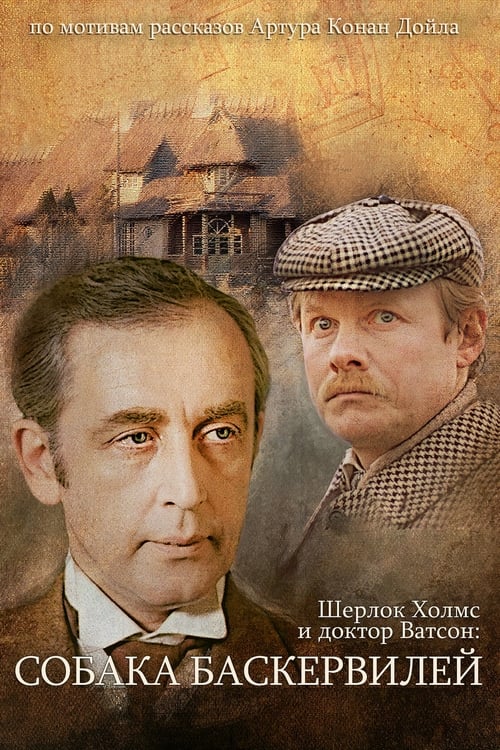
1981
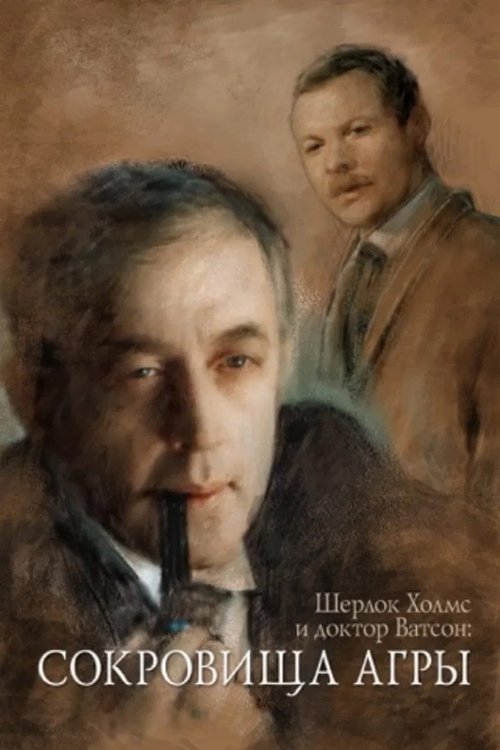
1983
No reviews yet. Be the first to share your thoughts on this movie!
Use the rating form above to leave a star rating and optional review.