The Adventures of Sherlock Holmes and Dr. Watson: The Twentieth Century Begins, Part 1
1986
No user ratings available yet
Diversity score: 2.3 out of 10
1988
Director
Igor Maslennikov
Runtime
71 minutes
Average Rating
No ratings yetSynopsis
The final film of the television series "The Adventures of Sherlock Holmes and Dr. Watson." It is based on the late and little-known stories of Arthur Conan Doyle, united by the theme of the approaching world war and the struggle of the legendary detective with foreign spies.
Overall Score
Limited
Category Breakdown
LGBTQ+ Representation
The film focuses on the platonic, intellectual bond between Holmes and Watson. It adheres to the heteronormative social constraints of the era, offering no explicit depiction of non-cisnormative identities.
Gender Representation
Agency is concentrated in the male protagonists, who drive the plot through investigation. Female characters occupy secondary roles, often serving as catalysts for the men rather than driving the narrative.
Racial & Ethnic Diversity
The cast is predominantly white and European, reflecting the colonial-era London of the source material. The narrative remains centered on Anglo-Saxon perspectives without diverse ensemble casting.
Religious & Cultural Diversity
This faithful period piece emphasizes social class and established institutions. It prioritizes historical accuracy and the rule of law over modern geopolitical or anti-Western critiques.
Disability Representation
Disability is not a central theme in this installment. There is no evidence of characters with disabilities being granted significant agency or portrayed beyond traditional genre tropes.
Strengths
Areas for Improvement
AI Analysis
This production prioritizes historical fidelity and the traditional narrative structures of the late-Victorian and Edwardian eras. It functions as a classic period drama that mirrors the demographic realities of its setting rather than attempting to subvert them. The film's focus remains on the intellectual partnership of its male leads and the maintenance of social order. Consequently, the representation of identity is limited by the patriarchal and colonial-era frameworks inherent to the source material. While the film succeeds as an atmospheric historical recreation, it offers little in the way of modern intersectional perspectives or diverse character agency.
1986
1980
1983
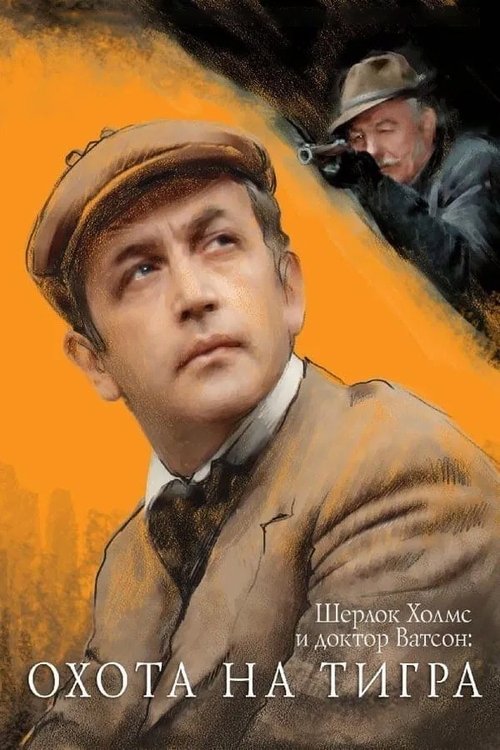
1980
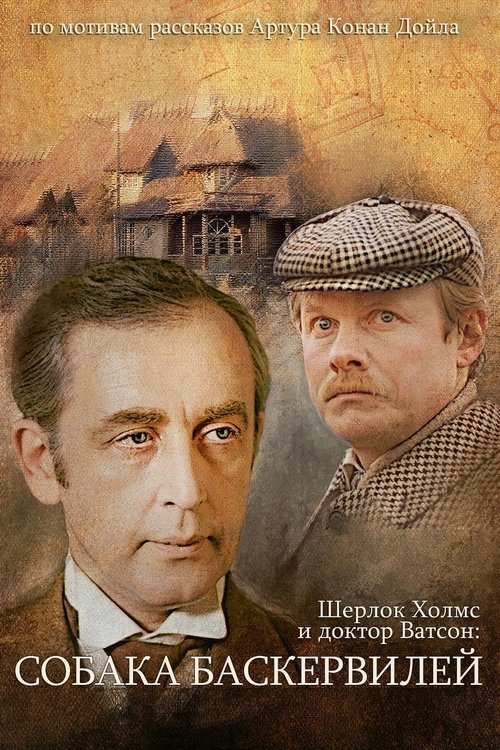
1981
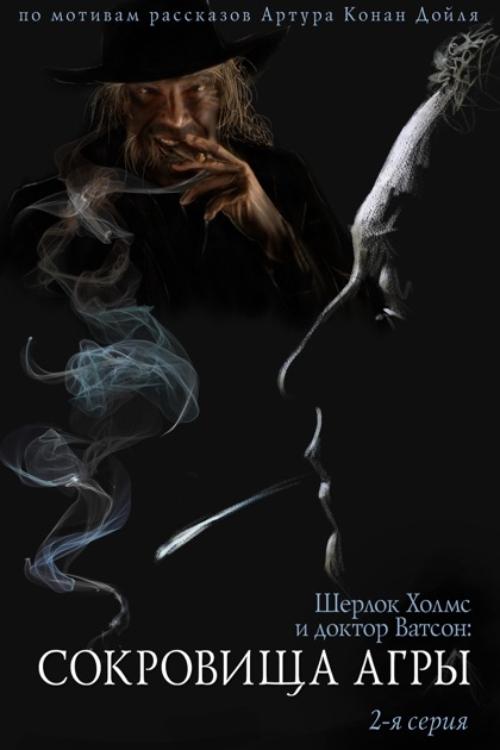
1983
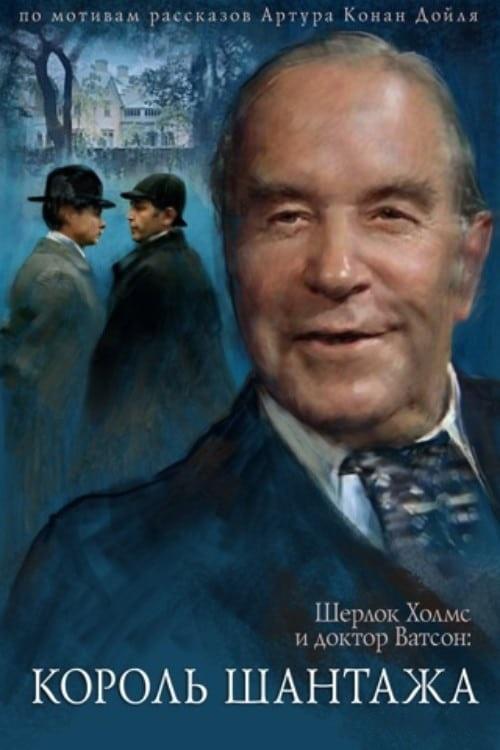
1980
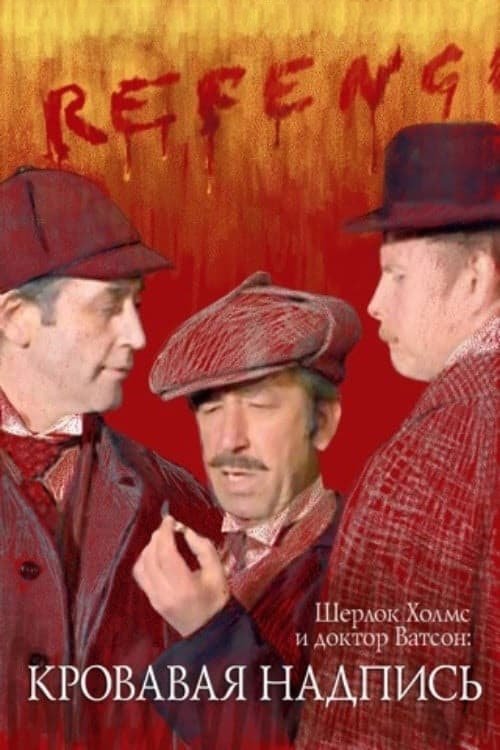
1980
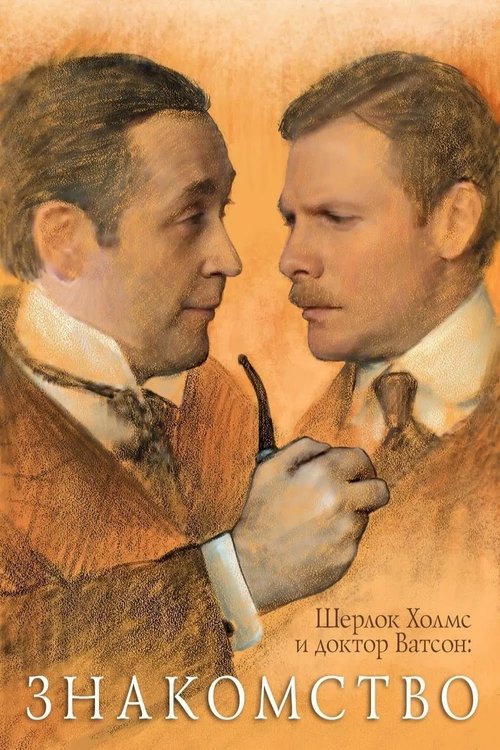
1980
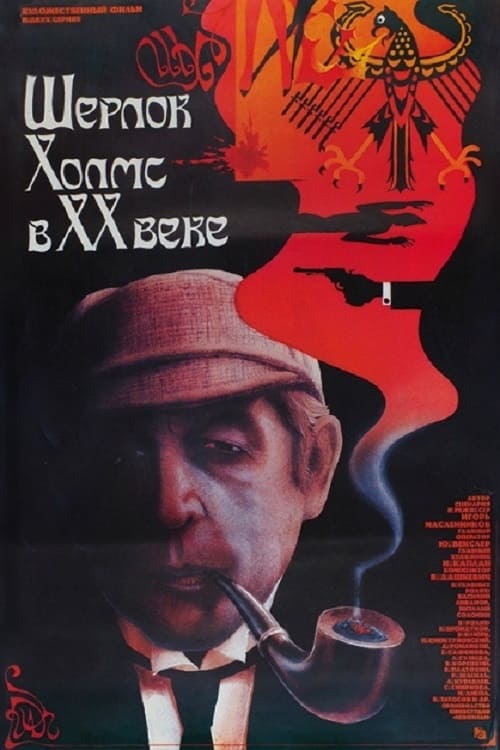
1986
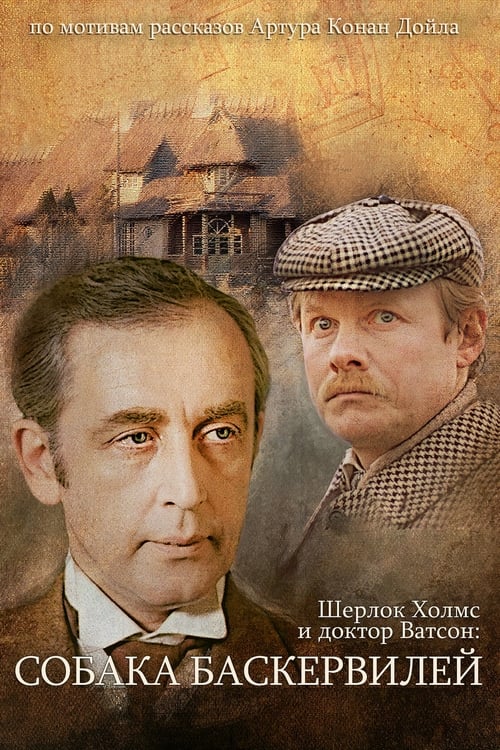
1981
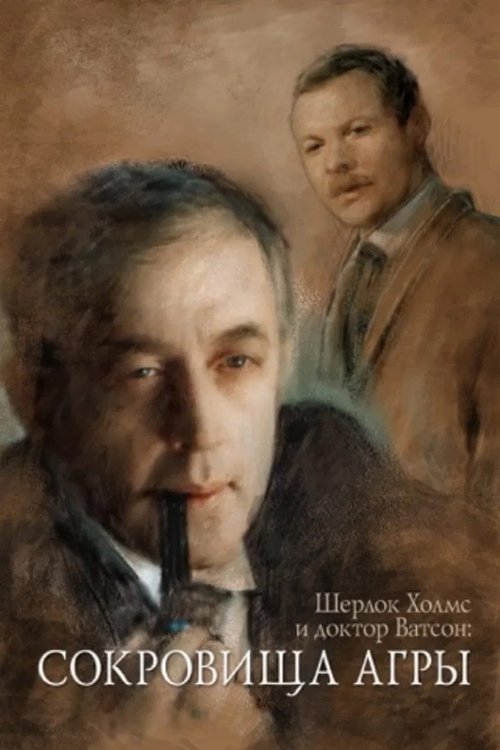
1983
No reviews yet. Be the first to share your thoughts on this movie!
Use the rating form above to leave a star rating and optional review.