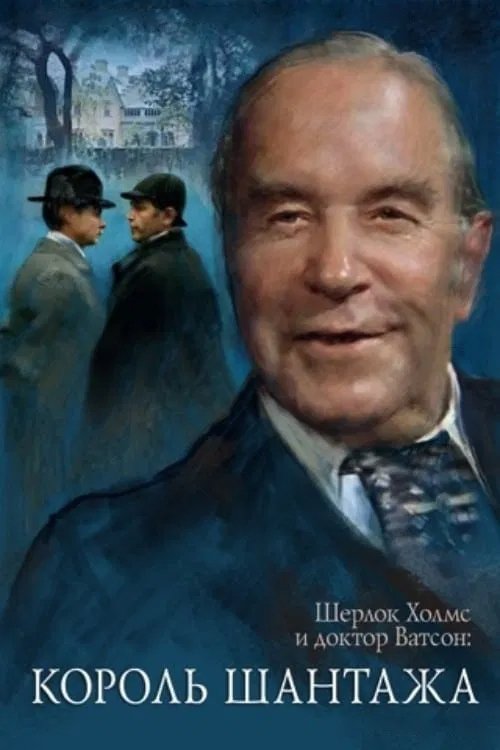
The Adventures of Sherlock Holmes and Dr. Watson: King of Blackmailers
1980
No user ratings available yet
Representation score: 1.6 out of 10

Representation Score
Limited
1983
Director
Igor Maslennikov
Runtime
73 minutes
Average Rating
No ratings yetNew Showbiz Analysis
This installment is a faithful, conservative reconstruction of the Sherlock Holmes mythos. It prioritizes atmospheric accuracy and literary fidelity over any modern social reconfiguration or progressive interrogation of power dynamics. The production reinforces the traditional hierarchies of the Victorian era. The narrative focus remains centered on the intellectual maneuvers of the male protagonists, leaving little room for diverse perspectives. Ultimately, the film offers a stable, traditionalist viewing experience. It preserves Doyle's original social structures rather than serving as a tool for contemporary social commentary.
Category Breakdown
The film strictly follows Victorian social norms and does not depict any non-traditional gender identities or same-sex relationships.
Female characters are mainly shown in domestic or socialite roles and lack the ability to drive the main plot, which focuses on Holmes and Watson.
The casting is predominantly white and European, reflecting the Soviet production context. Characters from non-Anglo-Saxon backgrounds are barely represented.
The film presents a classicist view of Western history without challenging class or capitalist structures. It functions as a traditionalist period piece.
There are no characters with visible or invisible disabilities, and the narrative does not use disability as a central theme or character development.
Present on Screen
Limited or Absent
Official Synopsis
During the investigation of the Agra treasure case, Holmes and Watson recall another case that Holmes had investigated earlier. The King of Bohemia comes to Holmes under a false name, who behaves somewhat arrogantly at first, and then plaintively asks for help.
1980
1981
1980
1970
1981
2016
1980
1988
No reviews yet. Be the first to share your thoughts on this movie!
Use the rating form above to leave a star rating and optional review.