The Adventures of Sherlock Holmes and Dr. Watson: The Twentieth Century Begins, Part 1
1986
No user ratings available yet
Diversity score: 2.3 out of 10
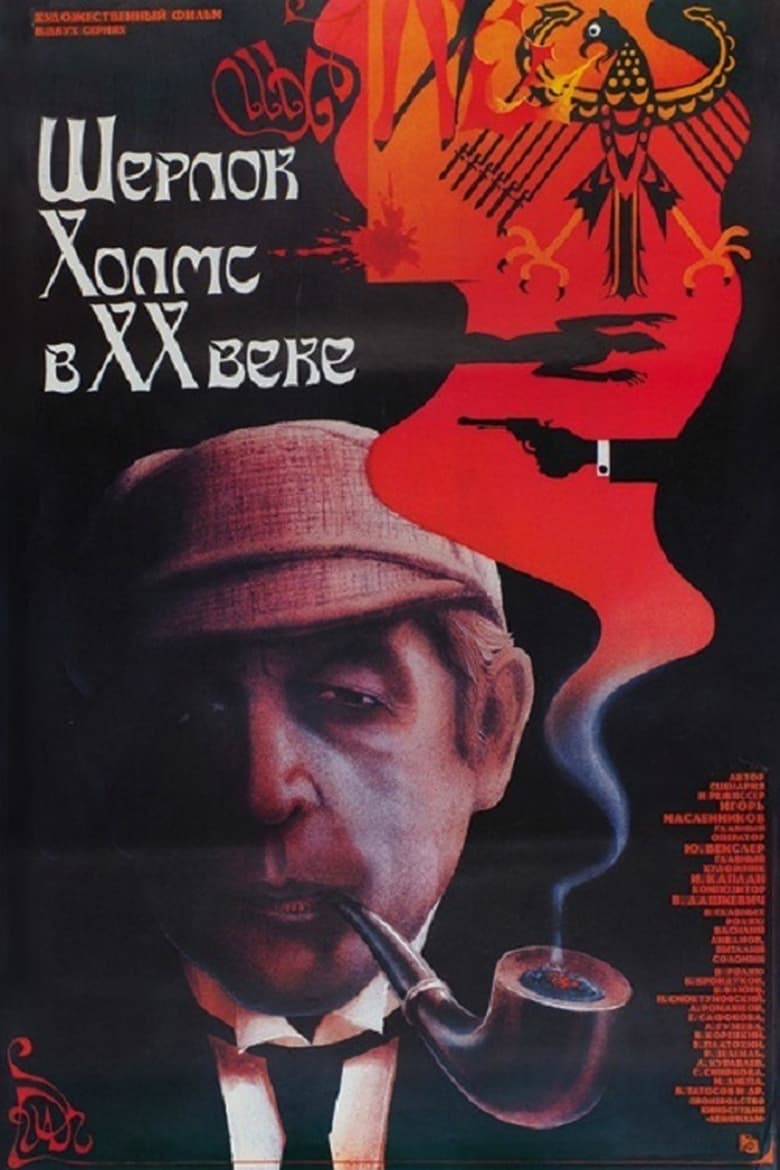
1986
Director
Igor Maslennikov
Runtime
149 minutes
Average Rating
No ratings yetSynopsis
In addition to the two-part television version of the film, a shorter version was installed to show the film, entitled “Sherlock Holmes in the 20th Century.” In this installation version, in particular, the entire plot of the story “Bruce-Partington Drawings” was deleted. A film version was released before the premiere of the full (two-part) television version of the film.
Overall Score
Minimal
Category Breakdown
LGBTQ+ Representation
The film lacks any visible depiction of non-cisnormative identities or same-sex intimacy. The narrative focus remains strictly on the heteronormative social structures of the period.
Gender Representation
The narrative is heavily centered on male protagonists, Holmes and Watson, which limits female agency. It reinforces the period's standard of male-dominated intellectual and investigative leadership.
Racial & Ethnic Diversity
Casting maintains a traditional European aesthetic consistent with the historical context of 19th-century London. The depiction results in a largely homogeneous Anglo-Saxon society.
Religious & Cultural Diversity
The film operates within a traditional framework of justice and social order. It follows a conventional detective structure that reinforces established legal and social frameworks.
Disability Representation
There is no significant focus on neurodivergence or physical disability as a central component of character agency. Characters function within standard physical and cognitive norms.
Strengths
Areas for Improvement
AI Analysis
This Soviet production functions as a faithful, period-accurate reconstruction of the Arthur Conan Doyle canon. It prioritizes historical fidelity and literary atmosphere over the subversion of social norms, adhering closely to the established hierarchies of the late Victorian and early Edwardian eras. The film reinforces traditional social structures rather than critiquing them. By focusing on the established legal and social frameworks of the time, the narrative provides a stable, classical experience that lacks modern intersectional complexity.
1986
1980
1988
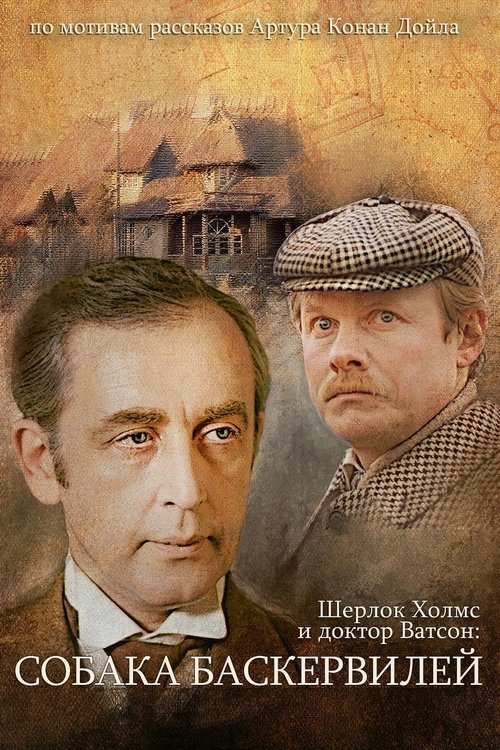
1981
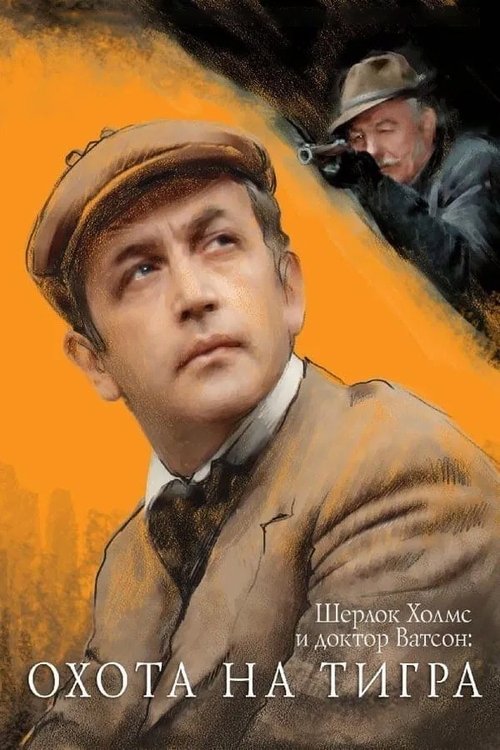
1980
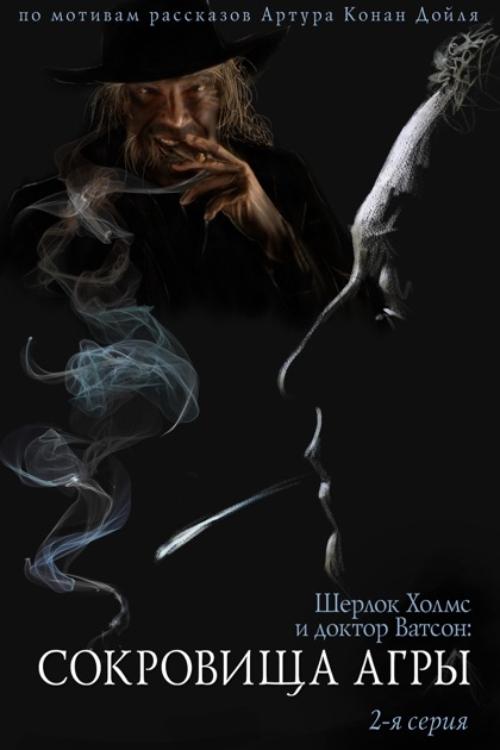
1983
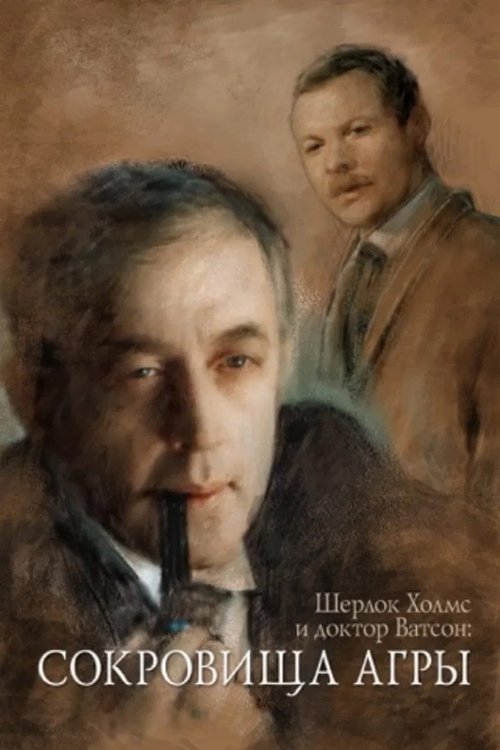
1983
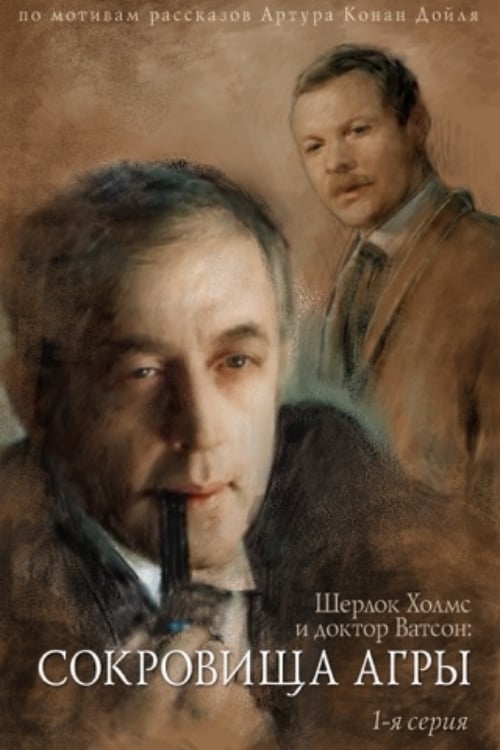
1983
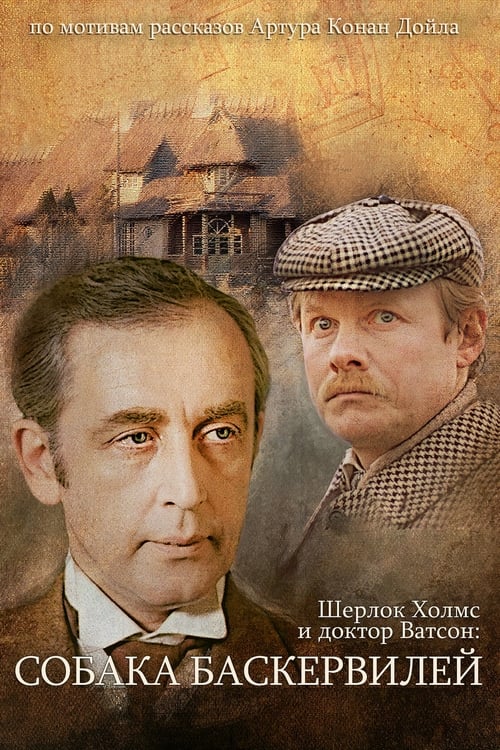
1981
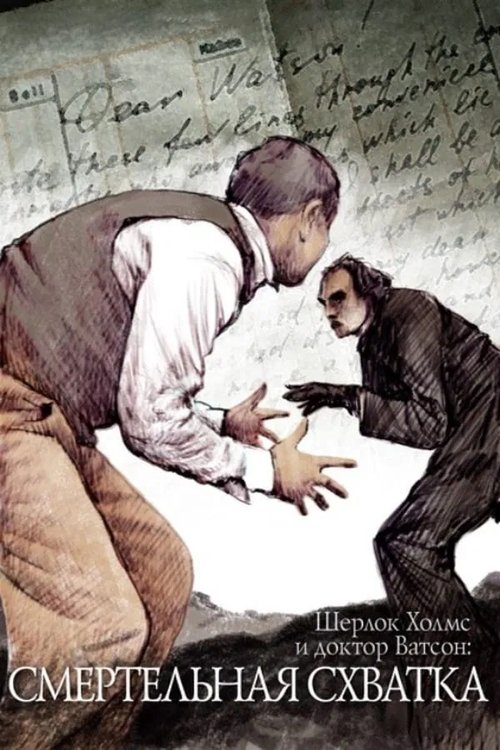
1980
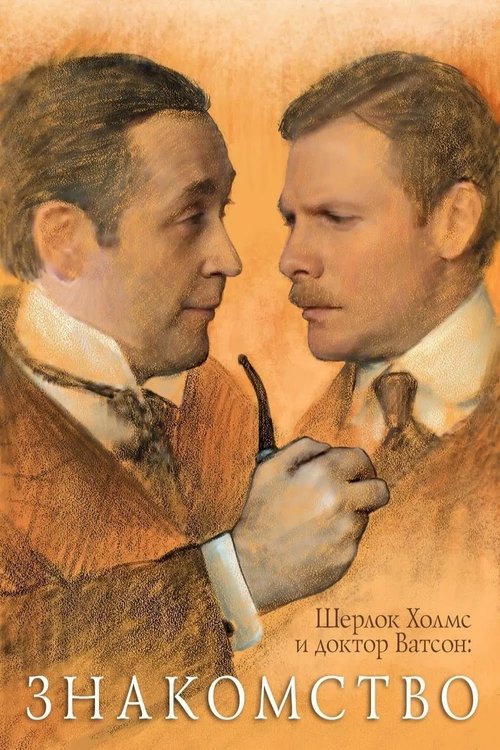
1980
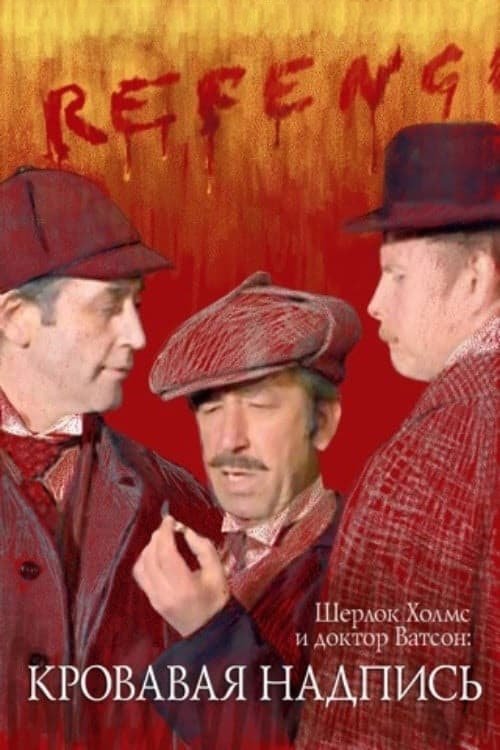
1980
No reviews yet. Be the first to share your thoughts on this movie!
Use the rating form above to leave a star rating and optional review.