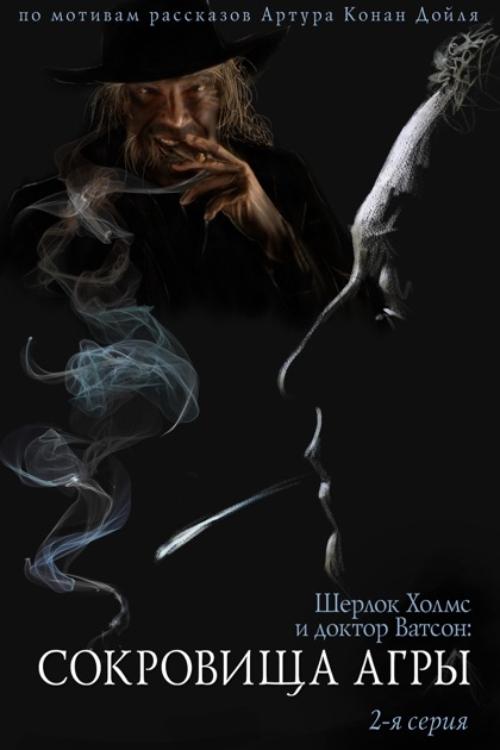
The Adventures of Sherlock Holmes and Dr. Watson: The Treasures of Agra - Part 2
1983
No user ratings available yet
Representation score: 2.6 out of 10
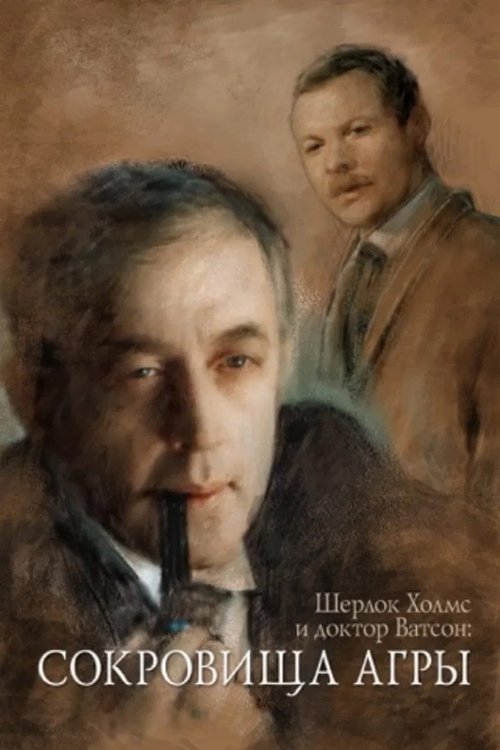
Representation Score
Limited
1983
Director
Igor Maslennikov
Runtime
151 minutes
Average Rating
No ratings yetNew Showbiz Analysis
This Soviet production emphasizes atmospheric fidelity and adherence to Victorian detective genre conventions. The film centers around a mystery involving stolen jewels and class-based intrigue, staying true to literary traditions. The distribution of power in the narrative is conventional, with Holmes and Watson embodying intellectual and physical competence. Despite international elements, the execution remains rooted in mid-20th-century cinematic norms. Overall, the film serves as a traditionalist period piece, emphasizing the defense of social order and stability rather than progressive representation or challenging established norms.
Category Breakdown
The film focuses on heterosexual relationships and platonic friendships, without depicting any non-cisgender identities or same-sex intimacy.
Female characters play important roles in the plot but mainly act as catalysts for the male protagonists' actions, lacking independent ability to act and reinforcing traditional gender roles.
Characters with Indian heritage are portrayed through period-specific clichés rather than modern multi-layered stories, reflecting historical colonial themes.
The narrative upholds traditional detective clichés and emphasizes the maintenance of social order and established legal frameworks.
There are no significant depictions of physical or neurodivergent disabilities, and characters are not used to explore disability as a narrative device.
Present on Screen
Limited or Absent
Official Synopsis
Holmes and Dr. Watson help a young lady who is receiving anonymous letters 10 years after her father passed away under shady circumstances. They find themselves in an enigma involving a treasure, murder and a love interest for Watson.
1983
1981
1981
1946
1980
1939
1980
1945
No reviews yet. Be the first to share your thoughts on this movie!
Use the rating form above to leave a star rating and optional review.