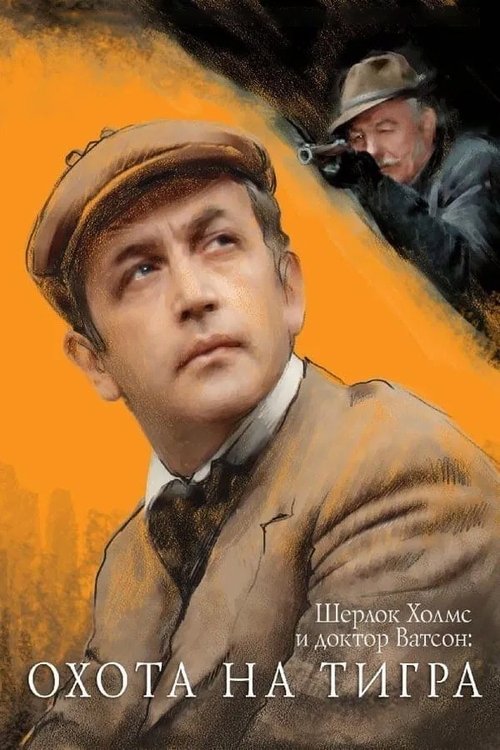
The Adventures of Sherlock Holmes and Dr. Watson: Hunting the Tiger
1980
No user ratings available yet
Diversity score: 2.3 out of 10

1983
Director
Igor Maslennikov
Runtime
72 minutes
Average Rating
No ratings yetSynopsis
A girl named Mary Morsten comes to Sherlock Holmes, who asks him and the doctor to help solve the annual receipt of one pearl by her parcel and in the search for her father, who disappeared many years ago. Holmes and Watson do not refuse her help and find out that Miss Mary is the heiress of a huge fortune — the treasures of Agra, which are also claimed by the sons of Major Sholto and Jonathan Small — an escaped convict with a wooden prosthesis instead of a leg, whom the elder Morsten and Sholto deceived (while Sholto also deceived Morsten).
Overall Score
Limited
Category Breakdown
LGBTQ+ Representation
The film adheres to strict 19th-century heteronormative social structures. No non-cisnormative identities or same-sex intimacy are depicted within the narrative.
Gender Representation
The story centers on the intellectual agency of Holmes and Watson, reinforcing traditional masculine leadership. Mary Morsten acts as a plot catalyst, but her role remains defined by her status as an heiress.
Racial & Ethnic Diversity
Casting reflects a homogeneous European demographic consistent with Victorian London. While the plot involves colonial wealth, the film focuses on internal British class struggles rather than diverse casting.
Religious & Cultural Diversity
The narrative operates within traditional detective logic and legalism. It depicts socioeconomic friction but does not overtly critique Western institutions or capitalism through a modern lens.
Disability Representation
Jonathan Small is depicted with a wooden prosthesis, introducing a visible physical disability. However, this serves primarily as a plot device and a marker of his criminal history.
Strengths
Areas for Improvement
AI Analysis
This adaptation prioritizes historical fidelity and Victorian social architecture over modern progressive representation. The narrative is driven by the investigative prowess of its male leads, maintaining established power structures. While the film introduces a character with a physical disability, it functions as a tool for mystery mechanics rather than a nuanced exploration of identity. The setting remains culturally and racially homogeneous, focusing on class tensions within the British Isles. Ultimately, the work follows classical detective tropes and genre conventions, resulting in a traditional period piece that lacks intersectional complexity.
1980
1980

1983

1988

1986

1980
1981
1980
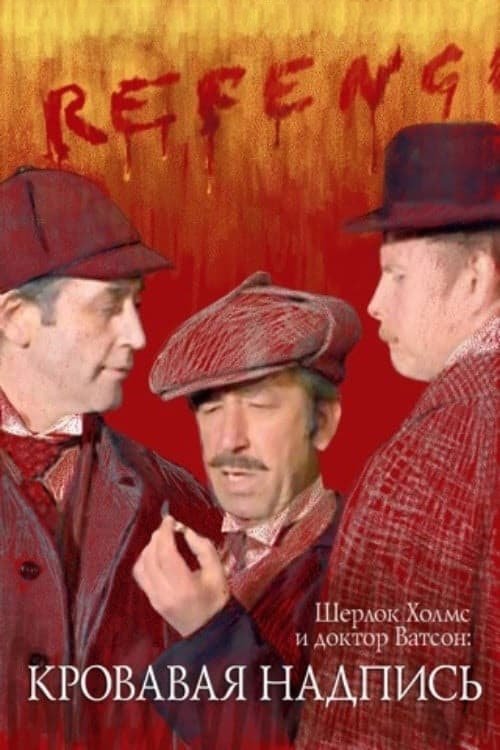
1980
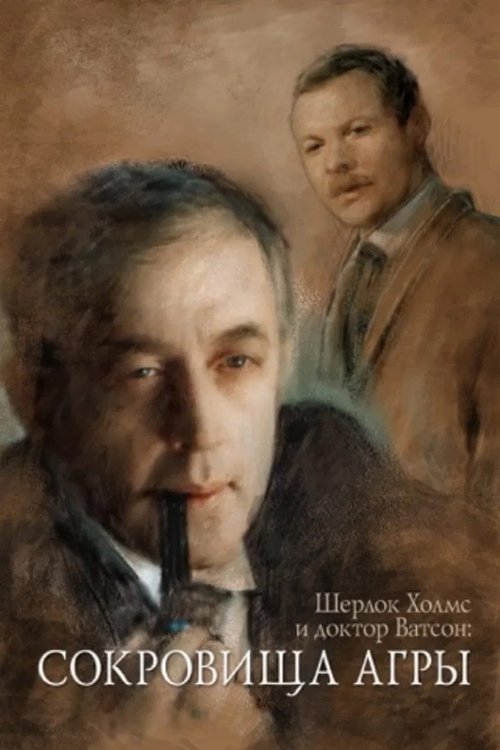
1983
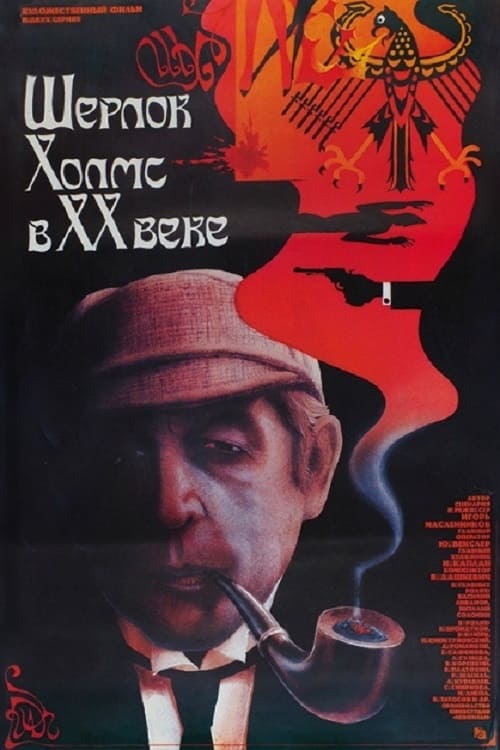
1986
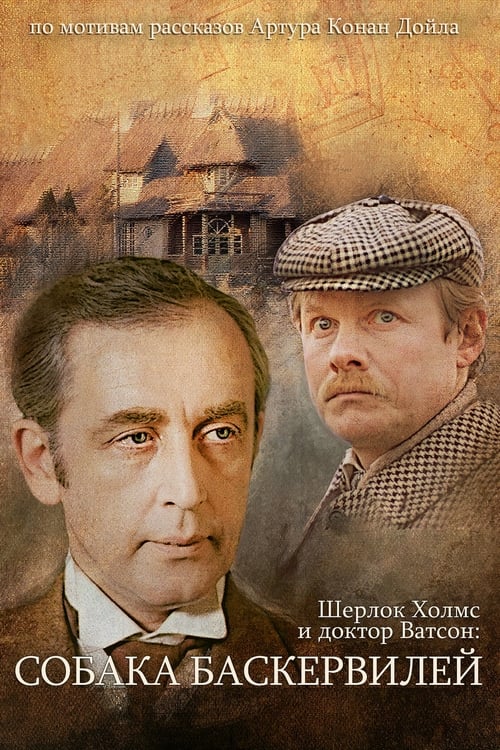
1981
No reviews yet. Be the first to share your thoughts on this movie!
Use the rating form above to leave a star rating and optional review.