
The Shot in the Talker Studio
1930
No user ratings available yet
Representation score: 2.8 out of 10
Representation Score
Limited
1935
PassedDirector
George B. Seitz
Runtime
74 minutes
Average Rating
No ratings yetNew Showbiz Analysis
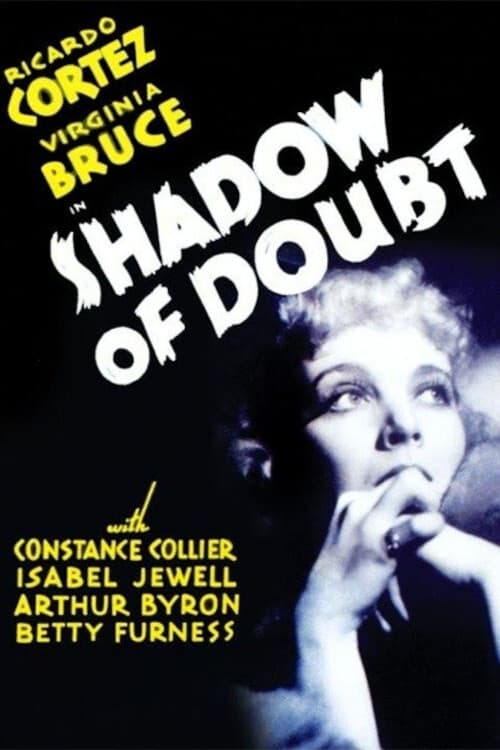
Shadow of Doubt is a period-typical mystery-comedy that adheres strictly to the social and narrative conventions of the mid-1930s. The plot relies on established genre clichés, such as a male suspect fixated on a woman, which reinforces traditional gender roles and romantic structures. The film lacks intentionality regarding the way different parts of someone's identity overlap or the disruption of social norms. Instead, it functions as a standard whodunit reflecting the homogeneous casting and conventional morality of the Hollywood studio system during its era.
Category Breakdown
The film focuses on a traditional romantic conflict between a victim and a fiancée. It does not include any representation of non-binary gender identities or critiques of the assumption that everyone is straight.
Female characters mainly have roles defined by their relationships to men, such as being a fiancée or a victim. This reinforces traditional gender roles common in early mystery cinema.
The narrative likely centers on a homogeneous, Anglo-Saxon cast typical of the OnClickListener 1930s studio system. There is no evidence of diverse character involvement or casting actors from different backgrounds.
The story follows a standard mystery framework prioritizing individual justice within a capitalist setting. It adheres to the conventional morality and social stability expected of 1935 mainstream cinema.
There is no evidence of characters with disabilities having significant roles. In this era, such attributes were often used as caricatures rather than nuanced representations.
Present on Screen
Limited or Absent
Official Synopsis
When a Hollywood producer is murdered, the most likely suspect is a man who is smitten with the victim's fiancee.
1930
1944
1936

1930
1935
1950

1934
1944
No reviews yet. Be the first to share your thoughts on this movie!
Use the rating form above to leave a star rating and optional review.