
Murder!
1930
No user ratings available yet
Representation score: 2.5 out of 10
Representation Score
Minimal
1931
Director
Alfred Hitchcock
Runtime
82 minutes
Average Rating
No ratings yetNew Showbiz Analysis
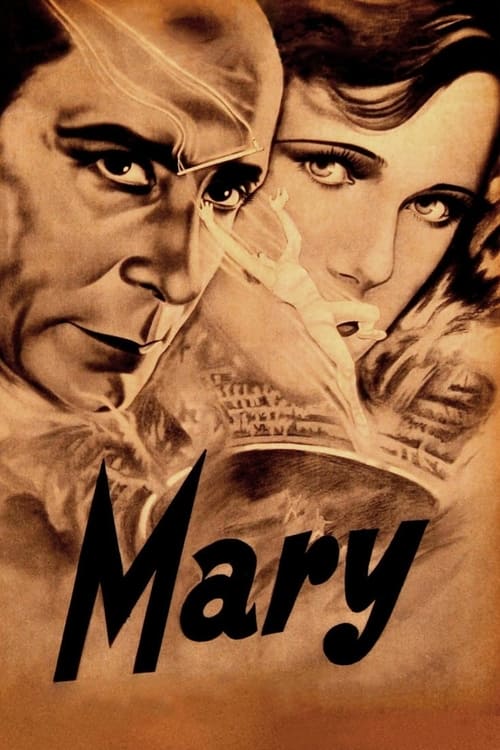
Mary (1931) adheres to the conventions of its time, operating within the traditional frameworks of early 1s cinema. While it features a central female character, the film does not challenge prevailing social hierarchies or offer diverse perspectives. The production reflects the homogeneity typical of the era, with a focus on maintaining the status quo rather than introducing new or varied viewpoints. The narrative sticks closely to the cultural norms of the period, without seeking to disrupt or question them.
Category Breakdown
The film does not depict any non-binary gender identities or LGBTQ+ characters. There is no indication of queer subtext or storylines centered around sexual orientation.
The story focuses on a female protagonist named Mary Baring. However, the portrayal stays within the traditional gender roles common in early 20th-century films.
The cast appears uniform, reflecting the production standards of the time. There are no non-white characters or racial diversity represented in the film.
The narrative aligns with the social norms of the 1930s. It does not explore themes of secularism or moral relativism and does not critique Western institutions.
There are no characters with visible or invisible disabilities in the film. Disability is not used as a narrative device or plot point.
Present on Screen
Limited or Absent
Official Synopsis
When actress Mary Baring is found in a daze beside her colleague's murdered body, all evidence points to her guilt. During the trial, juror Sir John Menier doubts the verdict, but yields to pressure. Haunted by remorse, he launches his own investigation.
1930

1946
1944
1940
1946

1940
1950
1947
No reviews yet. Be the first to share your thoughts on this movie!
Use the rating form above to leave a star rating and optional review.