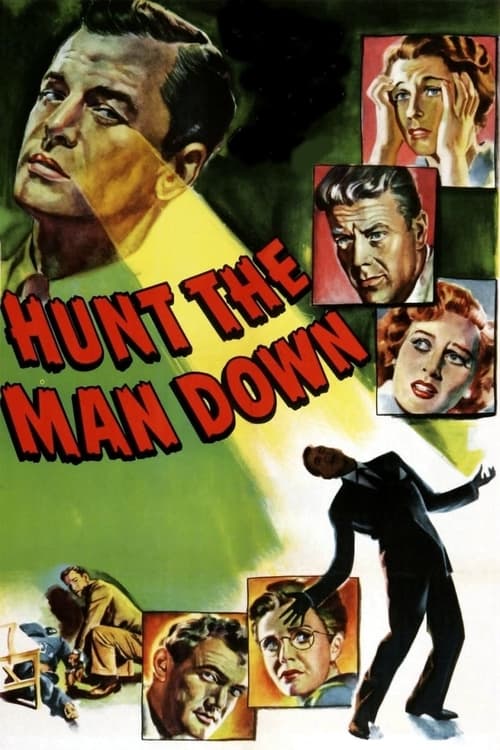
Hunt the Man Down
1950
No user ratings available yet
Representation score: 1.0 out of 10
Representation Score
Limited
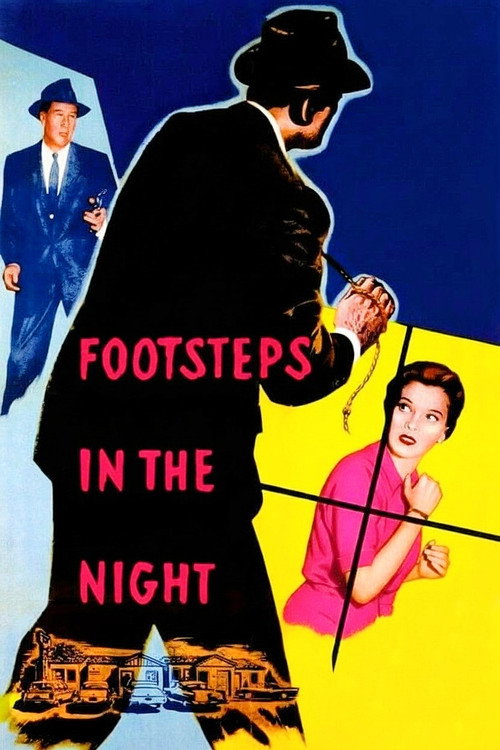
1957
ApprovedDirector
Jean Yarbrough
Runtime
62 minutes
Average Rating
No ratings yetNew Showbiz Analysis
Footsteps in the Night is a mid-century crime mystery that follows conventional narrative structures of its era. The film prioritizes restoring social order through procedural investigation, focusing on two detectives solving a murder. Produced in 1957, the film relies on established social hierarchies and traditional character archetypes. It lacks diverse representation, focusing instead on standard genre formulas of the time. Ultimately, the film reflects the period's social norms, emphasizing institutional stability over systemic critique or diverse perspectives.
Category Breakdown
The film does not include any non-binary or transgender identities. It follows the assumption that everyone is straight or cisgender, which is typical for 1957 crime cinema.
The story focuses on two male detectives, highlighting traditional masculine roles of authority. There is no indication of challenging traditional gender roles.
The film likely centers around a predominantly white cast, reflecting the period's preference for Anglo-Saxon representation. It does not show much racial diversity.
The story emphasizes law, order, and social stability, reinforcing traditional institutional values. It does not critique social structures.
There are no neurodivergent or physical disabilities presented as meaningful traits. Disability is not a central theme in the character arcs.
Present on Screen
Limited or Absent
Official Synopsis
Two detectives investigate the strangulation murder of a man whom everyone seemed to like.
1950
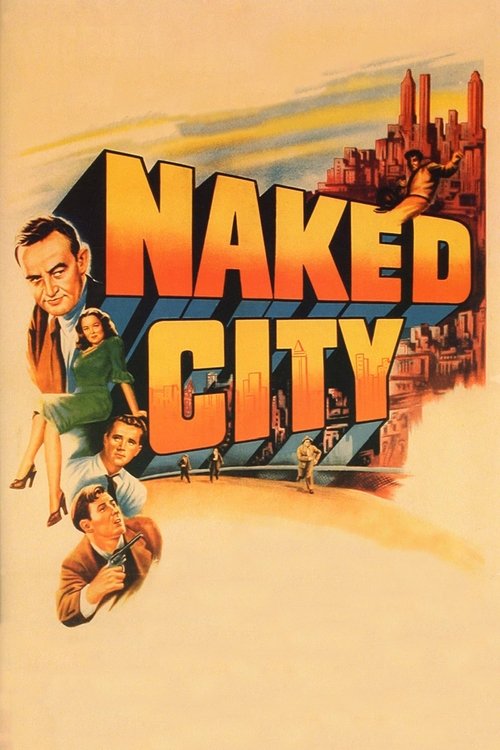
1948

1956

1944
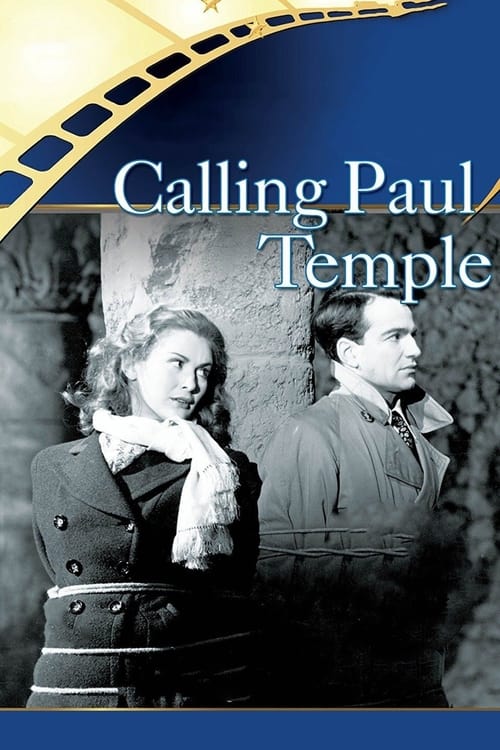
1948
1947
1964

1949
No reviews yet. Be the first to share your thoughts on this movie!
Use the rating form above to leave a star rating and optional review.