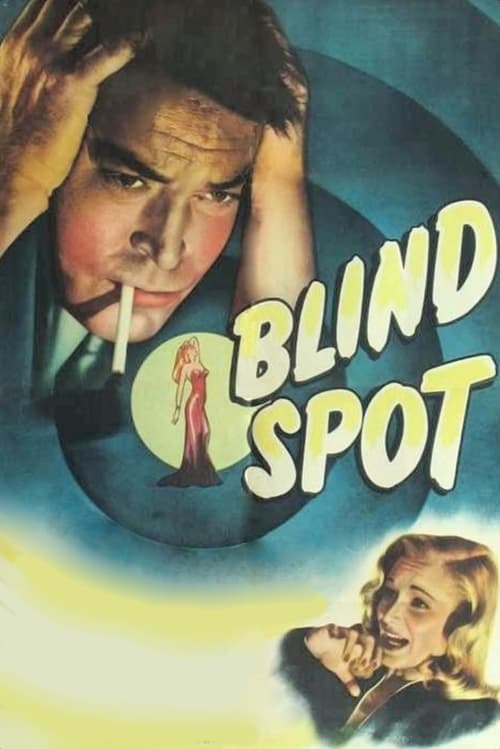
Blind Spot
1947
No user ratings available yet
Representation score: 1.4 out of 10
Representation Score
Limited
1946
NRDirector
William Castle
Runtime
61 minutes
Average Rating
No ratings yetNew Showbiz Analysis
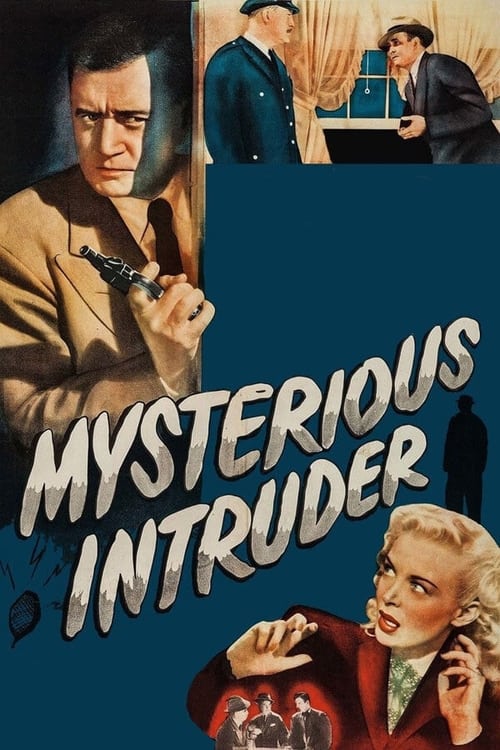
Mysterious Intruder is a product of its era, adhering to the rigid conventions of mid-century noir. The film prioritizes plot mechanics and suspense over exploring diverse social identities. The narrative relies heavily on established genre clichés, such as the private investigator and the heiress, reinforcing traditional social hierarchies. This results in a cinematic experience that lacks depth in representing multiple aspects of identity. Ultimately, the film reflects the homogeneous and straight-centered landscape of 1946 Hollywood, offering little challenge to the systemic norms of the post-war period.
Category Breakdown
The film follows the strict moral guidelines of the 1940s Hays Code, showing no evidence of LGBTQ+ identities or same-sex relationships.
The female lead seems to function as a traditional cliché, serving primarily as motivation for the male protagonist rather than as an independent agent.
The film likely adheres to the standard Anglo-centric casting typical of 1940s Hollywood, offering minimal diversity in its crime drama.
The story upholds traditional Western values, emphasizing individual justice and the restoration of order. It supports the legitimacy of established legal and investigative systems.
Characters with disabilities may be used as narrative tools or shorthand for instability, lacking representation that highlights their ability to act.
Present on Screen
Limited or Absent
Official Synopsis
A private detective is hired to find a young heiress but finds himself accused of murder.
1947
1944
1945

1946
1945
1942
1950
1948
No reviews yet. Be the first to share your thoughts on this movie!
Use the rating form above to leave a star rating and optional review.