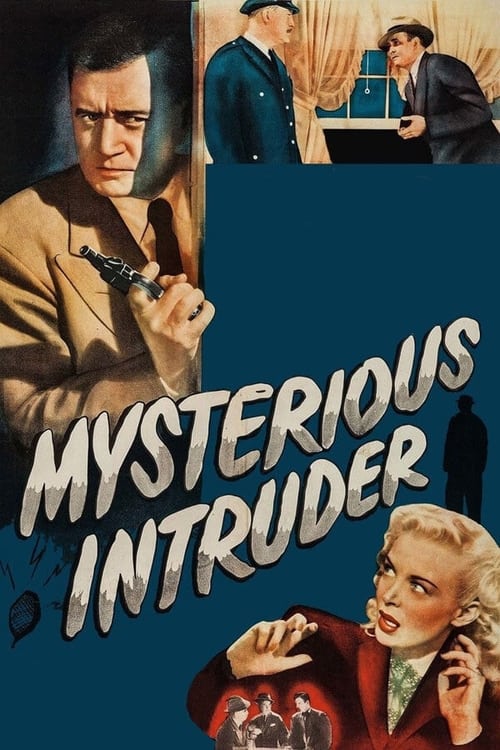
Mysterious Intruder
1946
No user ratings available yet
Representation score: 3.2 out of 10
Representation Score
Limited
1945
ApprovedDirector
Anthony Mann
Runtime
68 minutes
Average Rating
No ratings yetNew Showbiz Analysis
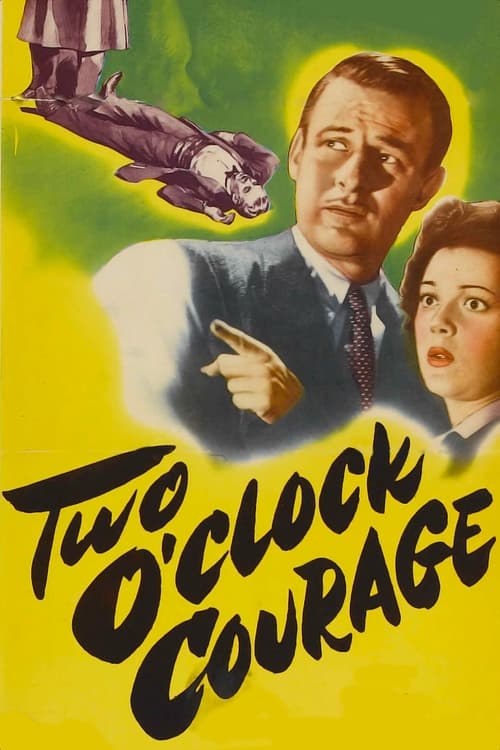
Two O'Clock Courage is a product of the 1945 studio system, prioritizing traditional noir elements over diverse representation. The narrative centers around a standard investigative structure and a conventional romantic subplot between the leads. While the female protagonist demonstrates professional independence as a cab driver, the story remains focused on the male lead's identity crisis and legal troubles. This suggests a reliance on established gender hierarchies common to the era. The film lacks depth in representing diverse identities, using amnesia primarily as a tool for suspense. It reflects the homogeneous social and racial norms of mid-century American cinema, offering little disruption to systemic status quos.
Category Breakdown
The film follows a conventional romantic storyline between the male and female leads. There is no indication of LGBTQ+ identities or critiques of heterosexuality.
A female cab driver exhibits professional independence. However, her character development seems secondary to the male protagonist's mystery and romantic interests.
The production mirrors the homogeneous demographics of 1945. The film adheres to the standard Western-centric casting typical of mid-century crime mysteries.
The narrative follows a traditional mystery format. It upholds established social orders and legal systems without exploring alternative cultural or secular themes.
Amnesia serves as a central plot device to drive the mystery. This condition functions as a narrative tool for suspense rather than a detailed exploration of disability.
Present on Screen
Limited or Absent
Official Synopsis
A cab driver nearly hits a man with amnesia, then helps him unravel his past, only to discover he's a murder suspect as she falls for him.
1946

1944
1947
1944
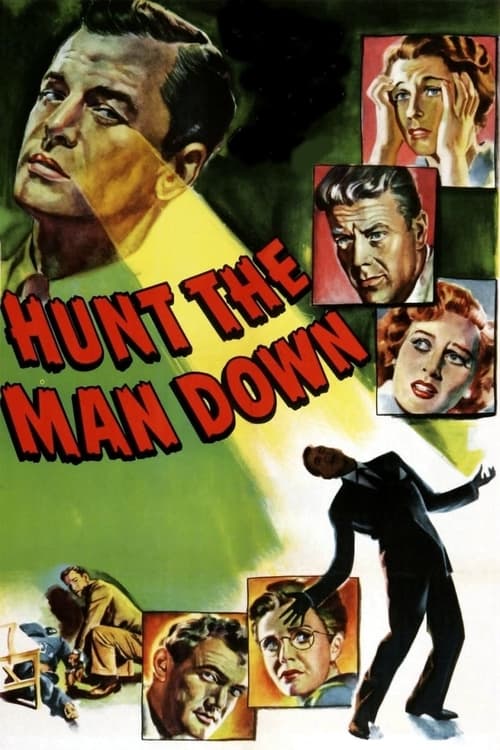
1950
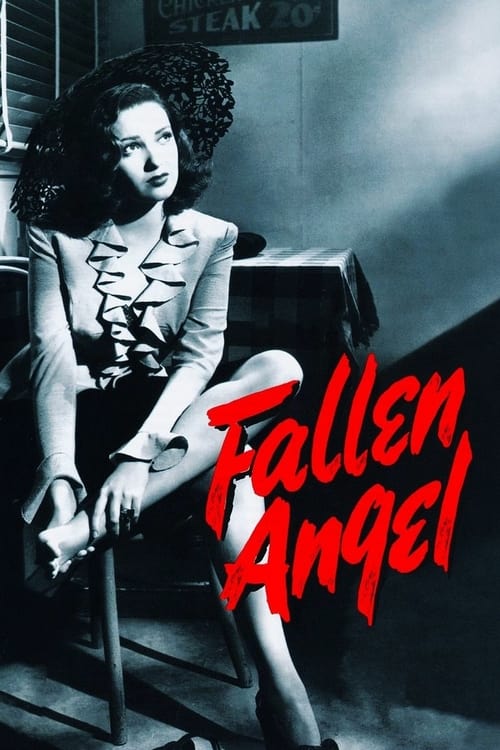
1945
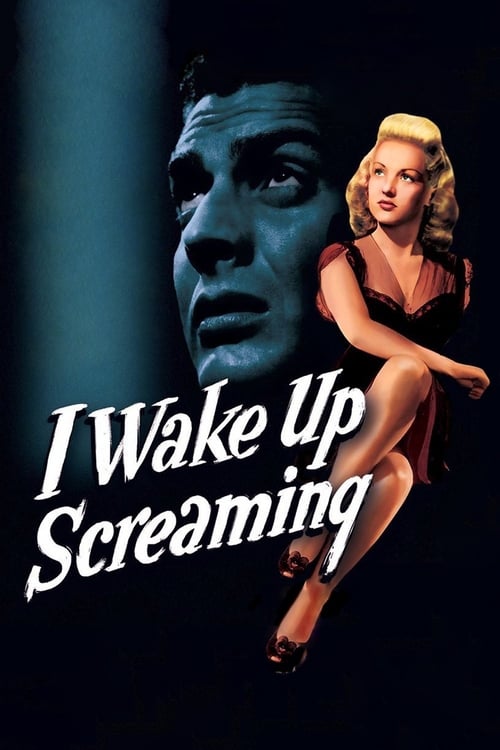
1941
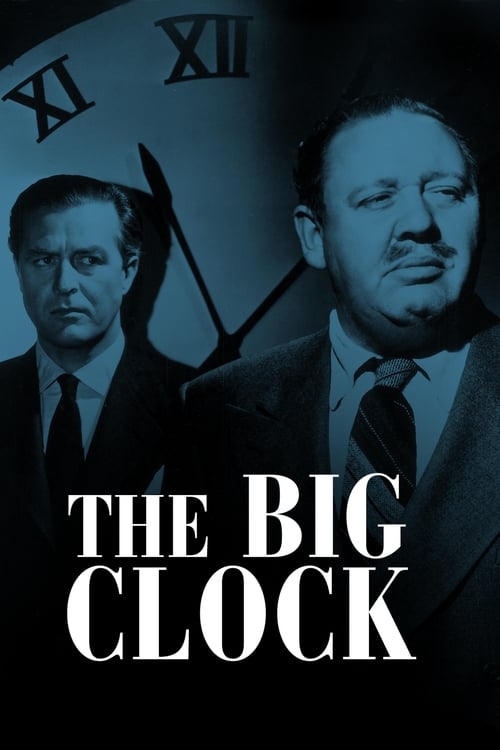
1948
No reviews yet. Be the first to share your thoughts on this movie!
Use the rating form above to leave a star rating and optional review.