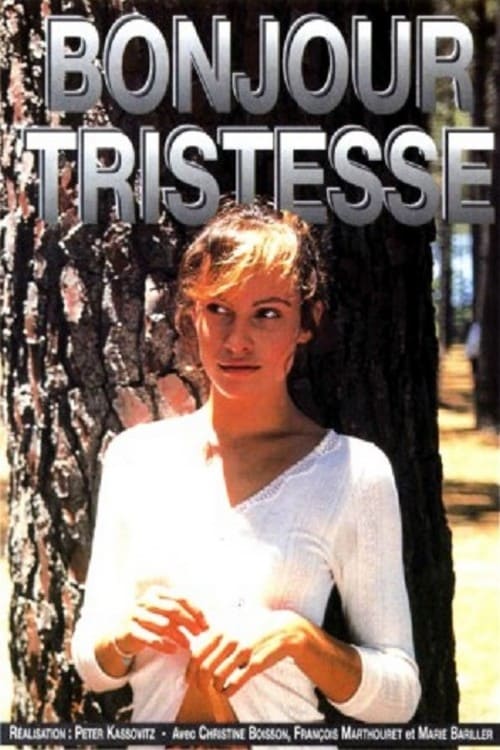
Bonjour Tristesse
1995
No user ratings available yet
Representation score: 5.1 out of 10

Representation Score
Limited
1958
Not RatedDirector
Otto Preminger
Runtime
94 minutes
Average Rating
No ratings yetNew Showbiz Analysis
Bonjour Tristesse is a study in psychological complexity that prioritizes narrative subversion over broad demographic representation. While it lacks racial and LGBTQ+ diversity, it excels at dismantling mid-century social hierarchies. The film's strength lies in its refusal to adhere to traditional moral or patriarchal structures. Cécile’s active role and the fluid nature of parental authority provide a sophisticated critique of the era's social expectations. However, the film remains deeply rooted in a homogeneous, upper-class European milieu, limiting its inclusivity despite its progressive treatment of power dynamics.
Category Breakdown
The film focuses solely on heterosexual relationships and traditional courtship. There are no queer subtexts or non-traditional gender identities among the characters.
Cécile subverts the typical portrayal of an innocent teenager by using her intellect and manipulating the plot. Raymond challenges traditional gender roles by acting as a hedonistic peer rather than a moral authority.
The story features a cast that is predominantly European, set in the French Riviera. It lacks diverse ethnic perspectives or race-bent casting, reflecting its specific bourgeois setting.
The narrative deconstructs the traditional nuclear family and bourgeois morality by emphasizing moral relativism. It positions the destruction of traditional social order as a central driver of the plot.
There are no characters with visible or invisible disabilities featured as central narrative elements.
Present on Screen
Limited or Absent
Official Synopsis
A spoiled teenager spends the summer at the French Riviera with her rich, widower, playboy father, but when his old flame resurfaces, she resolves to keep her frivolous lifestyle at all costs.
1995
1958

1988
1955
1965
1971
1974

1964
No reviews yet. Be the first to share your thoughts on this movie!
Use the rating form above to leave a star rating and optional review.