
Love in the Time of Cholera
2007
No user ratings available yet
Diversity score: 4.7 out of 10
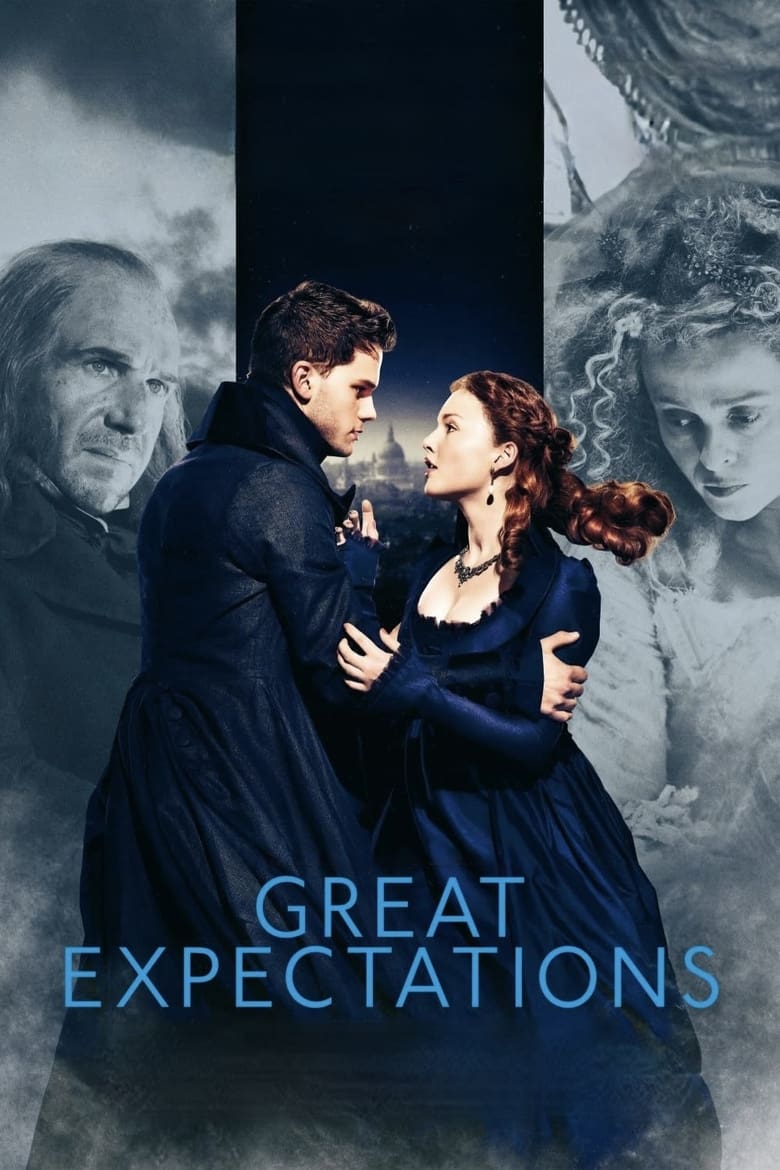
2012
PG-13Director
Mike Newell
Runtime
128 minutes
Average Rating
No ratings yetSynopsis
Orphan Pip discovers through lawyer Mr. Jaggers that a mysterious benefactor wishes to ensure that he becomes a gentleman. Reunited with his childhood patron, Miss Havisham, and his first love, the beautiful but emotionally cold Estella, he discovers that the elderly spinster has gone mad from having been left at the altar as a young woman, and has made her charge into a warped, unfeeling heartbreaker.
Overall Score
Limited
Category Breakdown
LGBTQ+ Representation
The film operates within a strictly heteronormative framework. There are no visible depictions of non-cisnormative identities or queer subtext.
Gender Representation
Characters remain largely defined by their relationships to the male protagonist. While Miss Havisham provides a dark form of agency, the structural focus remains on the male experience.
Racial & Ethnic Diversity
Casting is overwhelmingly homogeneous, reflecting the Anglo-Saxon demographics of Victorian England. The production prioritizes historical realism over modern intersectional representation.
Religious & Cultural Diversity
The narrative critiques traditional Western class structures by portraying the pursuit of gentility as a source of moral corruption. It frames the socioeconomic divide as a catalyst for ethical decay.
Disability Representation
Representation is limited to the psychological manifestations of trauma. Miss Havisham’s madness serves primarily as a gothic plot device rather than a nuanced exploration of mental health.
Strengths
Areas for Improvement
AI Analysis
Mike Newell’s adaptation is a traditionalist period piece that prioritizes historical accuracy and the preservation of the source material's social context. It adheres closely to the rigid stratification of 19th-century British society. The film lacks intersectional casting and contemporary identity-based narratives, resulting in a low diversity score. While it offers a subtle critique of class-based hierarchies, it remains a character study of individual ambition. Ultimately, the production favors the social mores of its setting over progressive representation, maintaining a focus on the protagonist's internal struggle with class mobility.
2007
1996
1997

2009
1943
1995

2011

2009
1995

2005

2012

1993
No reviews yet. Be the first to share your thoughts on this movie!
Use the rating form above to leave a star rating and optional review.