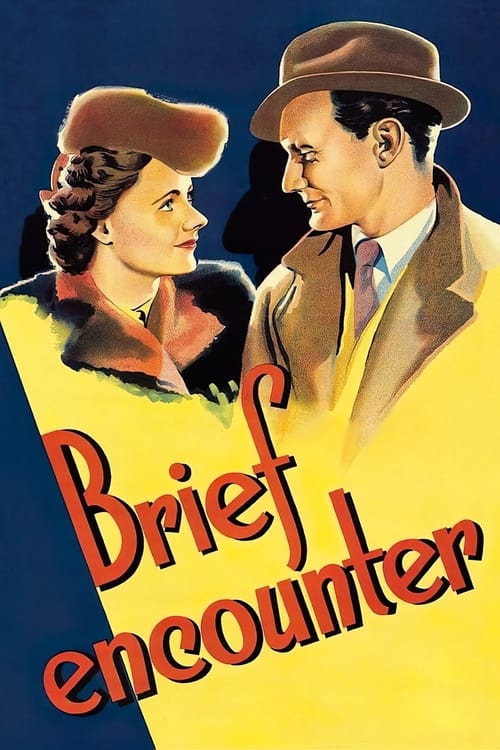
Brief Encounter
1945
No user ratings available yet
Representation score: 0.7 out of 10
Representation Score
Limited
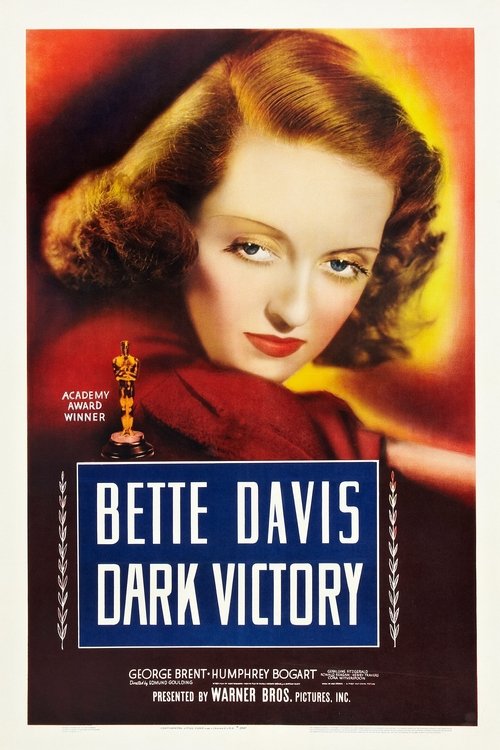
1939
NRDirector
Edmund Goulding
Runtime
104 minutes
Average Rating
No ratings yetNew Showbiz Analysis
Dark Victory is a classic MGM melodrama that focuses on individual emotional experiences rather than broader social critiques. The film excels in presenting a well-developed female lead who navigates a profound personal crisis with emotional depth. However, it remains entrenched in the social norms of 1939, reinforcing conventional social, racial, and institutional hierarchies without challenging them. While the protagonist's emotional journey is nuanced, the film's reliance on traditional romantic resolutions and a homogeneous cast limits its depth in reflecting diverse identities.
Category Breakdown
The film does not depict any queer romantic relationships or non-cisgender identities. The interpersonal dynamics are centered around heterosexual relationships.
Judith Traherne shows significant emotional independence during her medical crisis. However, her strength is often portrayed through romantic vulnerability rather than challenging patriarchal structures.
The film's setting is a homogeneous, upper-middle-class white community. There is no evidence of diverse ethnic perspectives or actors from different backgrounds.
The story upholds traditional Western institutional values and the authority of the medical profession. It emphasizes professional decorum and the maintenance of established social order.
The film explores the psychological impact of a terminal brain tumor through the protagonist's journey. However, it leans towards portraying the character as a tragic victim to evoke emotional responses.
Present on Screen
Limited or Absent
Official Synopsis
Socialite Judith Traherne lives a lavish but emotionally empty life. Riding horses is one of her few joys, and her stable master is secretly in love with her. Told she has a brain tumor by her doctor, Frederick Steele, Judith becomes distraught. After she decides to have surgery to remove the tumor, Judith realizes she is in love with Dr. Steele, but more troubling medical news may sabotage her new relationship, and her second chance at life.
1945
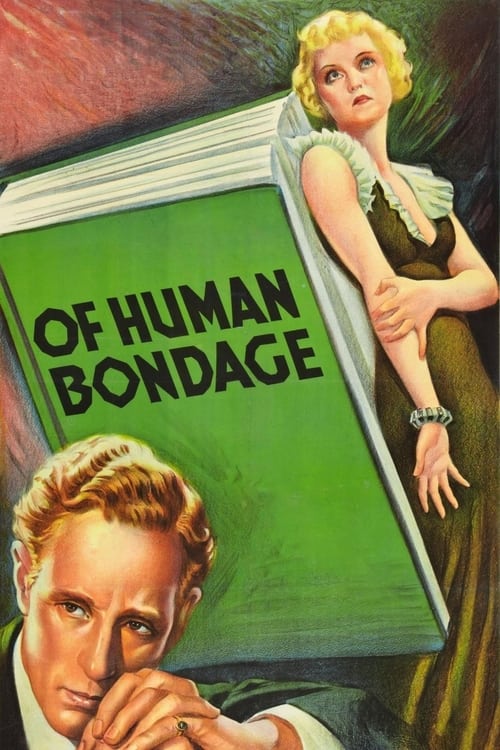
1934
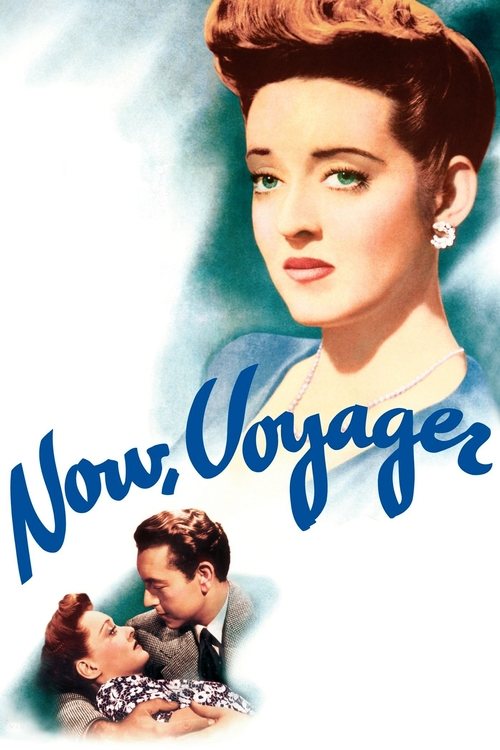
1942
1954
1991
1937

2011

1945
No reviews yet. Be the first to share your thoughts on this movie!
Use the rating form above to leave a star rating and optional review.