
Sunrise: A Song of Two Humans
1927
No user ratings available yet
Representation score: 1.2 out of 10
Representation Score
Fair
1934
NRDirector
John Cromwell
Runtime
83 minutes
Average Rating
No ratings yetNew Showbiz Analysis
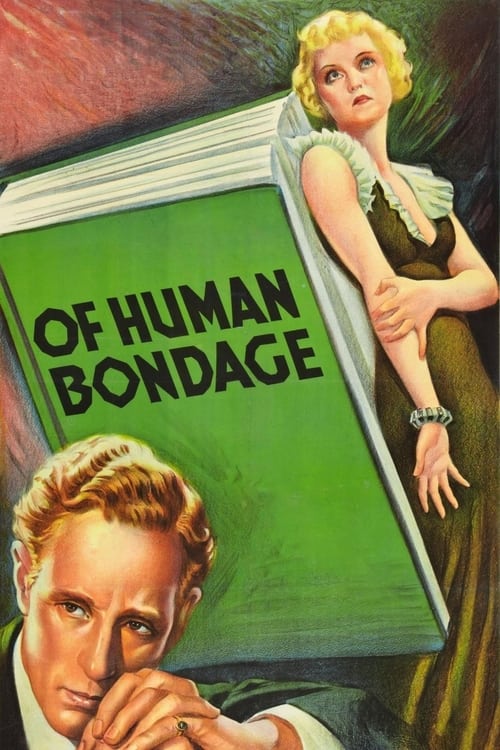
Of Human Bondage distinguishes itself through psychological depth rather than demographic variety. It avoids the moralizing typical of 1930s cinema, opting instead to explore the destructive nature of human obsession and complex character motivations. While the film succeeds in deconstructing gendered archetypes and traditional morality, it remains deeply limited by its era's social lens. The narrative is centered almost exclusively on a homogeneous, Anglo-European social hierarchy. Ultimately, the film's progressive qualities are found in its refusal to provide easy answers or idealized heroes, even as it fails to include diverse racial or LGBTQ+ identities.
Category Breakdown
The film follows a strictly straight-centered trajectory. There is no evidence of queer subtext or non-cisgender identities within the character arcs.
Mildred Rogers disrupts romantic clichés by acting as a manipulative, non-submissive force. Philip Carey subverts masculine archetypes through his emotional vulnerability and psychological obsession.
The cast remains largely homogeneous, focusing on Anglo-European social structures. There is little to no visibility for non-white or non-Anglo-Saxon perspectives.
The narrative employs moral relativism rather than a simple good-versus-evil binary. It critiques class rigidity and social expectations through complex, anti-social character behaviors.
Psychological distress is treated as a character trait rather than a representation of disability. No characters with visible or invisible disabilities are given real power.
Present on Screen
Limited or Absent
Official Synopsis
A young man finds himself attracted to a cold and unfeeling waitress who may ultimately destroy them both.
1927

1938
1961

1930

1945

1939

2011

1937
No reviews yet. Be the first to share your thoughts on this movie!
Use the rating form above to leave a star rating and optional review.