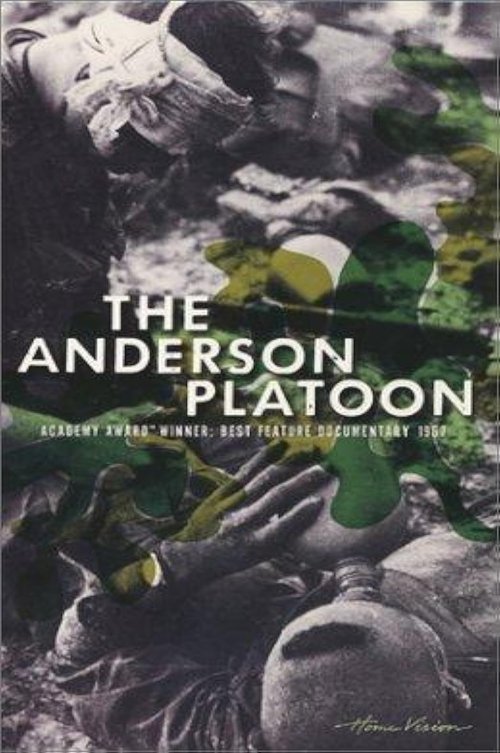
The Anderson Platoon
1967
No user ratings available yet
Representation score: 2.6 out of 10
Representation Score
Limited
1969
Not RatedDirector
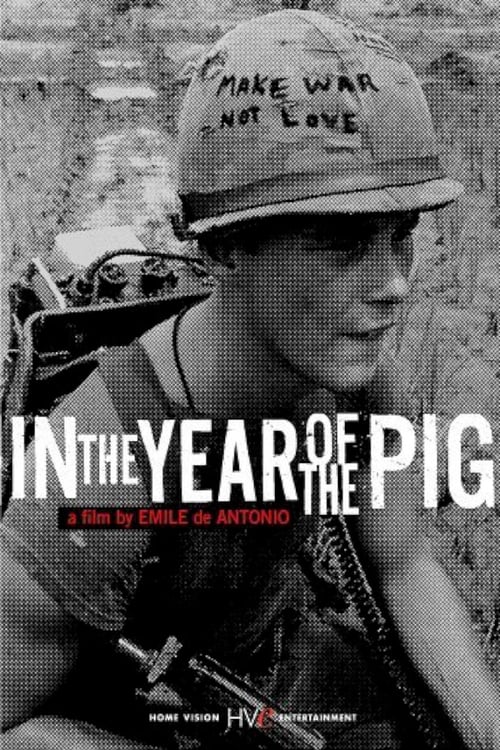
Emile de Antonio
Runtime
101 minutes
Average Rating
No ratings yetNew Showbiz Analysis
Emile de Antonio's documentary is a landmark of post-colonial cinema that dismantles the perceived moral superiority of Western institutions. Its greatest strength lies in its ability to shift the focus from the Western observer to the resisting population, providing genuine ability to act to Vietnamese citizens and political figures. However, the film's scope is narrow, focusing almost exclusively on macro-level geopolitical movements. This results in a lack of representation for LGBTQ+ identities and disability, which limits the breadth of its social commentary. While the film excels at challenging Anglo-American dominance, it remains a product of its time regarding gender. The interview pool is heavily male-dominated, reflecting the structural political constraints of the 1960s rather than actively centering women in the struggle for sovereignty.
Category Breakdown
The film focuses strictly on geopolitical shifts and the mechanics of warfare. There is no discernible presence of LGBTQ+ characters or narratives addressing non-assuming gender matches what was assigned at birth identities.
The narrative prioritizes political and military ability to act, resulting in a male-dominated interview pool. While it avoids reinforcing submissive femininity, it does not center women as primary drivers of the movement.
The documentary functions as a profound exercise in decolonization. It centers the Vietnamese perspective and provides ability to act to non-Western subjects to disrupt the traditional Western gaze.
The film offers a seminal critique of Western institutional dominance. It employs a post-colonial framework to portray Western military intervention as a disruptive and oppressive force.
There is no significant focus on visible or invisible disabilities within the documentary's primary historical and political scope.
Present on Screen
Limited or Absent
Official Synopsis
Both sober and sobering, producer-director Emile de Antonio’s In the Year of the Pig is a powerful and, no doubt for many, controversial documentary about the Vietnam War.
1967
1968
1974
1979
2005
1971
2019

1987
No reviews yet. Be the first to share your thoughts on this movie!
Use the rating form above to leave a star rating and optional review.