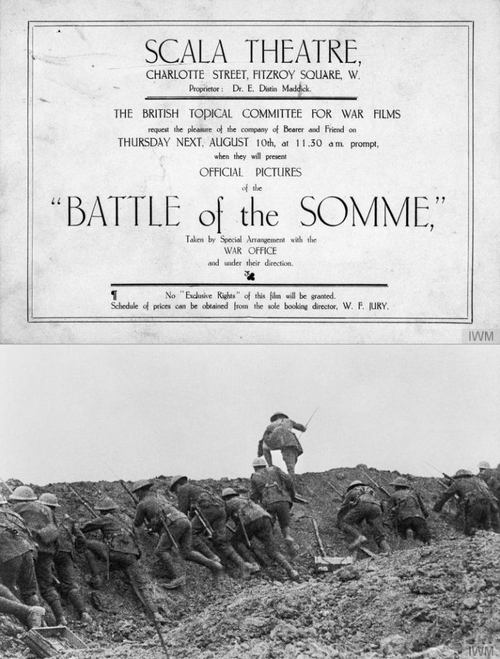
The Battle of the Somme
1916
No user ratings available yet
Representation score: 1.4 out of 10
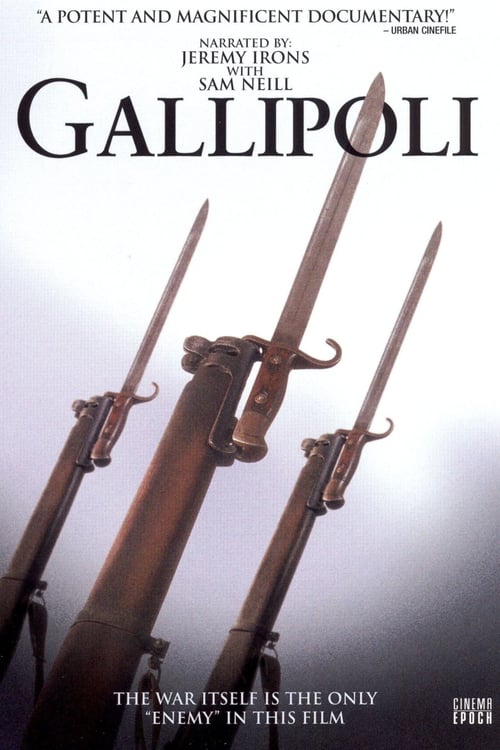
Representation Score
Limited
2005
Director
Tolga Örnek
Runtime
119 minutes
Average Rating
No ratings yetNew Showbiz Analysis
Tolga Örnek’s documentary aims to correct monolithic, nationalist war myths. Using diaries and letters, the film shifts the focus from state-sponsored glory to the raw, human cost of the Gallipoli campaign. The film's strength lies in its multi-vocal approach, deconstructing colonial-era narratives by giving equal weight to the Turkish experience alongside British and ANZAC perspectives. However, the film's narrow focus on the male combatant experience limits representation for women and LGBTQ+ individuals.
Category Breakdown
The documentary does not include any LGBTQ+ characters or stories. It focuses solely on military documents and soldier accounts from the past.
The film centers on male soldiers, reflecting the historical context. Letters occasionally touch on family life but primarily focus on the men's experiences.
The film includes a diverse range of perspectives, featuring Turkish, ANZAC, and British viewpoints to challenge Western-centric narratives.
Through personal memoirs, the film humanizes all participants, regardless of which side they fought on. It highlights shared hardships and emotional struggles.
There is no direct mention of physical or mental disabilities. However, discussions of hardship may imply the presence of period-specific psychological trauma.
Present on Screen
Limited or Absent
Official Synopsis
The Gallipoli campaign of World War I was so controversial & devastating, it changed the face of battle forever. Using diaries, letters, photographs and memoirs, acclaimed director, Tolga Ornek, traces the personal journeys of Australian, New Zealand, British and Turkish soldiers, from innocence and patriotism to hardship and heartbreak.
1916
2018
2019
2023
2020

2008
2017

2004
No reviews yet. Be the first to share your thoughts on this movie!
Use the rating form above to leave a star rating and optional review.