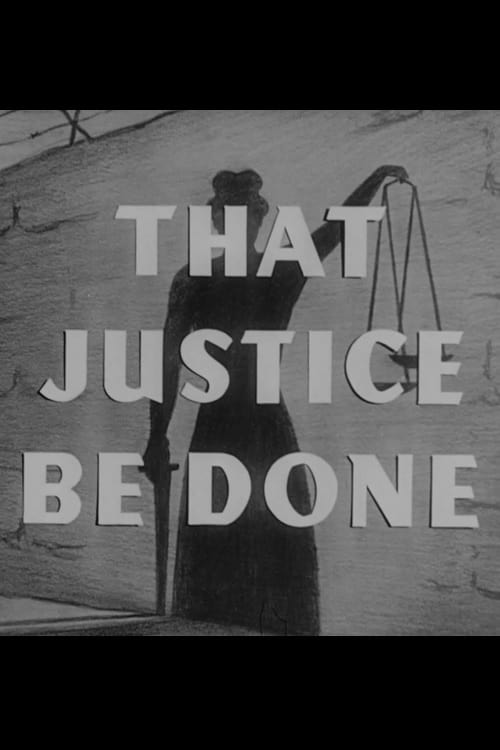
That Justice Be Done
1945
No user ratings available yet
Diversity score: 4.4 out of 10

1976
PGDirector
Marcel Ophüls
Runtime
278 minutes
Average Rating
No ratings yetSynopsis
This exceptional, disturbing and thought-provoking documentary compares the atrocities committed by the Nazis as revealed during the Nuremberg trials to those committed by the French in Algeria and those done by the Americans in Vietnam. The four hour epic questions the right of any country to pass self-righteous moral judgements upon the actions of another country.
Overall Score
Fair
Category Breakdown
LGBTQ+ Representation
The film focuses on geopolitical and legal ramifications of war crimes. There is no discernible focus on LGBTQ+ identities or non-cisnormative narratives within the historical testimonies.
Gender Representation
The narrative is driven by mid-20th-century legal and political structures dominated by men. While female survivors and professionals appear, gender dynamics are not a central analytical pillar.
Racial & Ethnic Diversity
Ophüls excels by drawing parallels between the Holocaust and decolonization struggles in Algeria and Vietnam. This approach provides agency to voices impacted by Western imperial structures.
Religious & Cultural Diversity
The documentary deconstructs Western institutional authority and moral superiority. It uses a post-colonial lens to question how major powers utilize legal frameworks to regulate others.
Disability Representation
Depictions of physical and psychological trauma serve as historical evidence of atrocity. The film focuses on systemic causes rather than disability as a primary identity marker.
Strengths
Areas for Improvement
AI Analysis
The Memory of Justice is a sophisticated interrogation of institutional morality that succeeds by disrupting Eurocentric historical narratives. Its greatest strength lies in its comparative architecture, which elevates the voices of those impacted by colonial violence in Algeria and Vietnam. However, the film remains tethered to the male-dominated political structures of its era. While it provides a profound critique of Western hegemony, it lacks engagement with LGBTQ+ identities and does not explore disability through the lens of lived agency. Ultimately, the documentary is a powerful tool for post-colonial critique, even if its social representation remains focused on national and political identities rather than individual intersectional markers.
1945

1987

1969
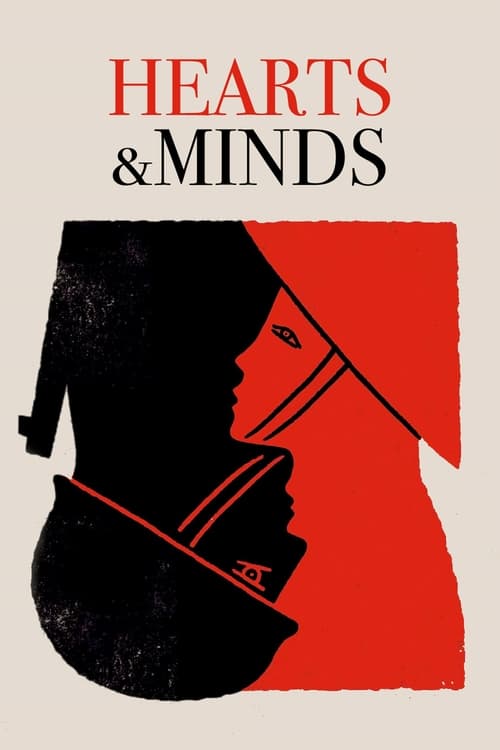
1974
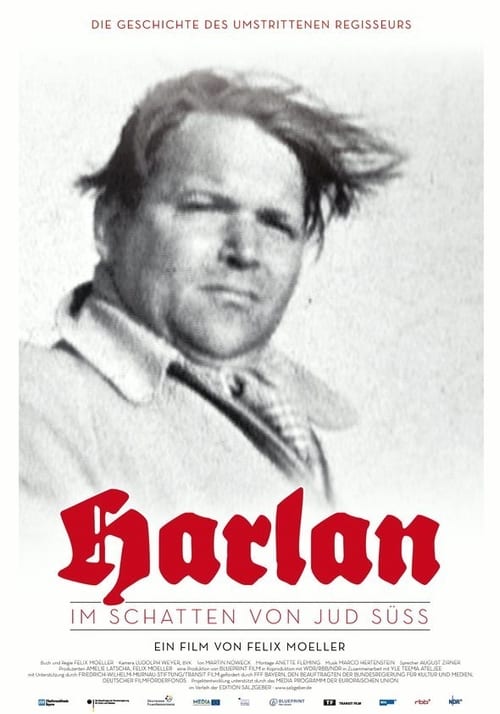
2008
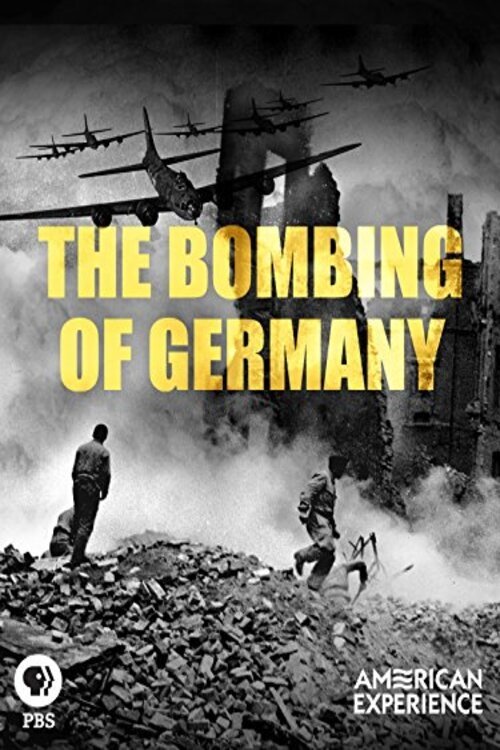
2010
2007

2008
2006
2005
2004
2005
No reviews yet. Be the first to share your thoughts on this movie!
Use the rating form above to leave a star rating and optional review.