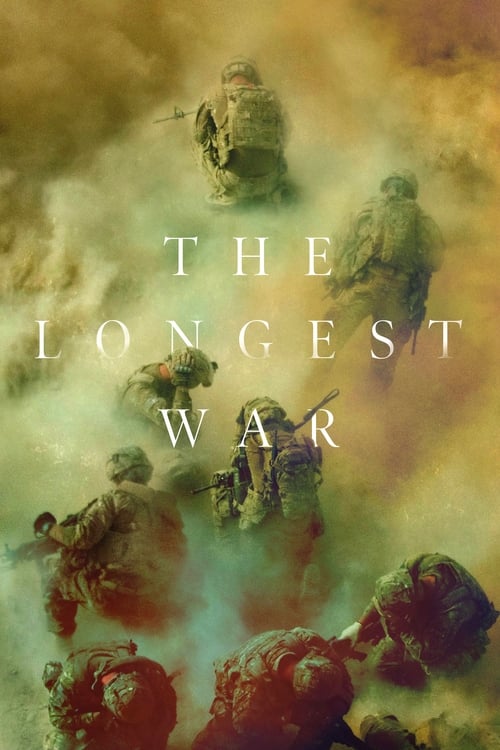
The Longest War
2020
No user ratings available yet
Diversity score: 4.9 out of 10
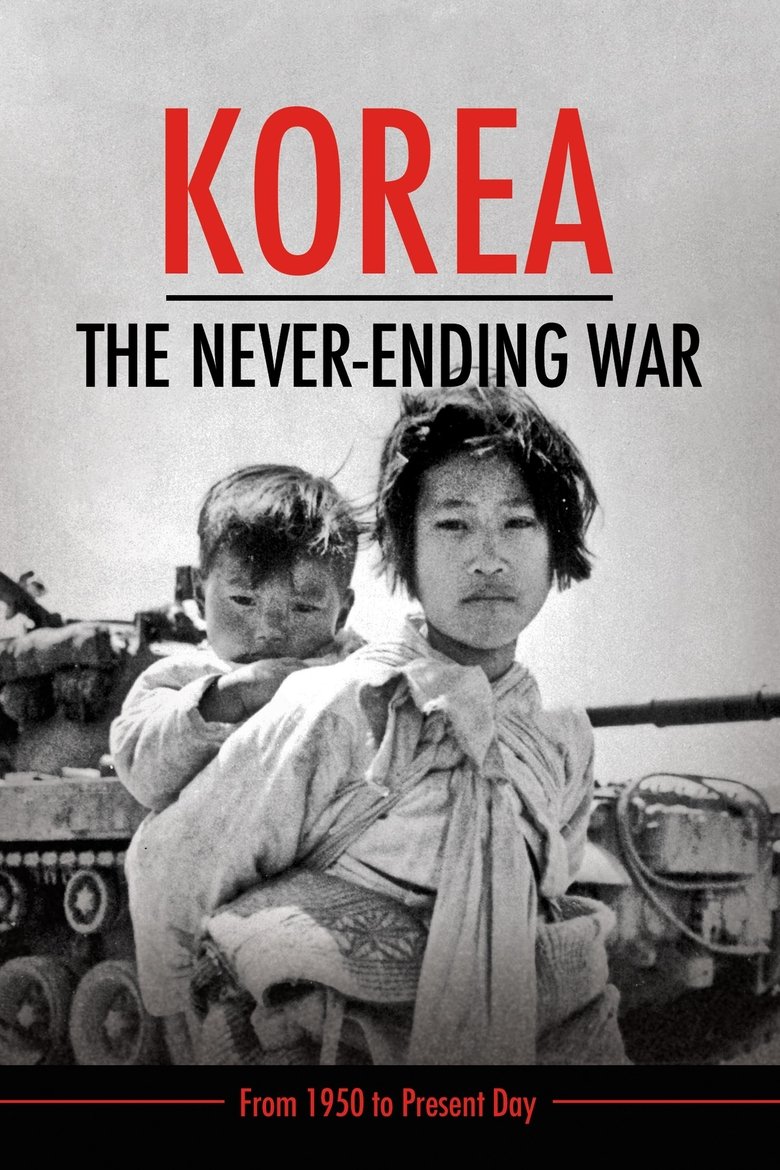
2019
PG-13Director
John Maggio
Runtime
114 minutes
Average Rating
No ratings yetSynopsis
Shedding new light on a geopolitical hot spot, the film — written and produced by John Maggio and narrated by Korean-American actor John Cho — confronts the myth of the “Forgotten War,” documenting the post-1953 conflict and global consequences.
Overall Score
Fair
Category Breakdown
LGBTQ+ Representation
The documentary focuses on geopolitical history and military conflict. There are no LGBTQ+ characters or explorations of non-heteronormative identities present in the footage or interviews.
Gender Representation
The narrative architecture centers on military and political figures, which skews toward male-dominated hierarchies. It does not explicitly focus on the agency of women or the subversion of gender roles.
Racial & Ethnic Diversity
The film centers the Korean experience by utilizing a Korean-American narrator and interviews from both North and South Korea. This disrupts traditional Western-centric perspectives of Cold War history.
Religious & Cultural Diversity
The film engages with post-colonial themes and the influence of external superpowers on the peninsula. It challenges Western triumphalist views by examining the systemic consequences of global power struggles.
Disability Representation
There is no evidence regarding the portrayal of physical or neurodivergent disabilities within the film's content.
Strengths
Areas for Improvement
AI Analysis
John Maggio’s documentary serves as a corrective historical text that shifts the focus from American military history to a complex study of a divided nation. It succeeds in disrupting conventional Western-centric tropes by prioritizing the lived realities of the Korean people. While the film provides a sophisticated critique of geopolitical narratives, it lacks depth in identity-based categories. The focus remains strictly on state-level diplomacy and systemic historical consequences rather than individual social identities. Ultimately, the work excels at providing a nuanced, post-colonial perspective on the Cold War, even if it does not address broader social diversity metrics like gender or LGBTQ+ representation.
2020

2024
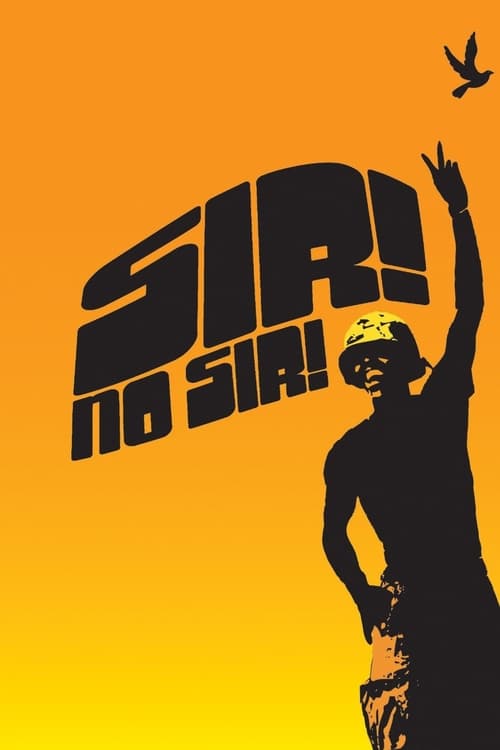
2005
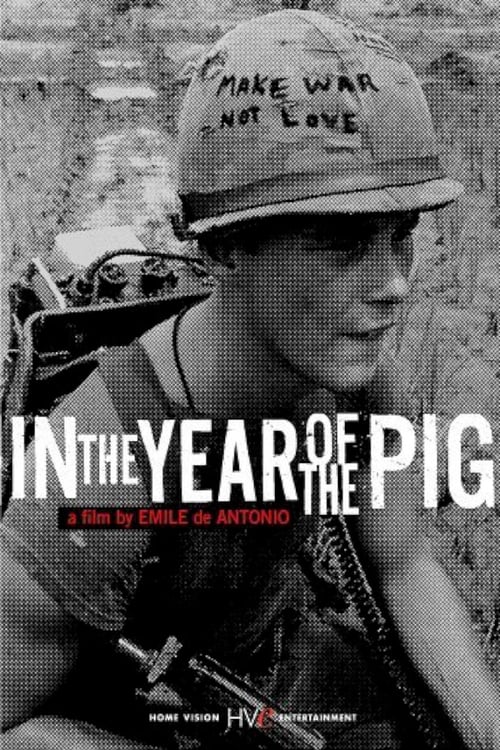
1969
2015
2019
1971

2014
2018
1979
1987
2021
No reviews yet. Be the first to share your thoughts on this movie!
Use the rating form above to leave a star rating and optional review.