Navajo
1952
No user ratings available yet
Representation score: 3.8 out of 10
Representation Score
Limited
1934
NRDirector
Alan Crosland
Runtime
70 minutes
Average Rating
No ratings yetNew Showbiz Analysis
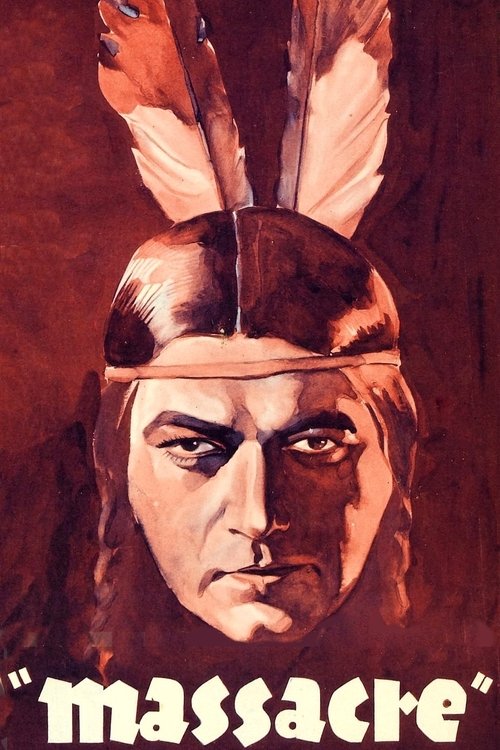
Massacre stands out for its critique of institutional corruption and systemic injustice. By centering an Indigenous protagonist fighting against corrupt government agents, the film moves away from typical Western clichés toward a more progressive narrative of resistance. However, the film remains limited by the social standards of 1934. It lacks LGBTQ+ representation and features a male-dominated plot structure, resulting in a narrow focus on gender and sexual identity. Ultimately, the film's strength lies in its racial and cultural perspective. It provides a rare look at the struggle against state-sponsored oppression from the viewpoint of the underrepresented.
Category Breakdown
The film does not include any LGBTQ+ characters or stories. It focuses on tribal conflicts and systemic issues rather than non-straight identities.
The story is driven by a male protagonist named Joe Thunder Horse. There is no evidence of women taking a leading role or challenging traditional gender roles.
The film centers on an Indigenous protagonist and highlights the struggles of underrepresented tribal communities. It challenges frontier clichés by focusing on the hardships faced by excluded groups.
The story criticizes state institutions by showing corrupt government agents. It emphasizes the lived experiences of the oppressed rather than glorifying nationalistic power.
There is no information available regarding the depiction of physical or mental disabilities in this film.
Present on Screen
Limited or Absent
Official Synopsis
Upon the death of his father, who was the tribal chieftain, Joe Thunder Horse returns to the reservation of his youth, only to discover that his people are dying of various diseases and are being systematically cheated of their possessions and basic rights by crooked Indian agents. He heads to Washington in hopes of righting these wrongs, only to experience prejudice and hatred all along the way.
1952
1972

1971

1950
1910
1956
1982
1940
No reviews yet. Be the first to share your thoughts on this movie!
Use the rating form above to leave a star rating and optional review.