
Geronimo
1993
No user ratings available yet
Representation score: 3.1 out of 10
Representation Score
Fair
1975
Not RatedDirector
Richard T. Heffron
Runtime
106 minutes
Average Rating
No ratings yetNew Showbiz Analysis
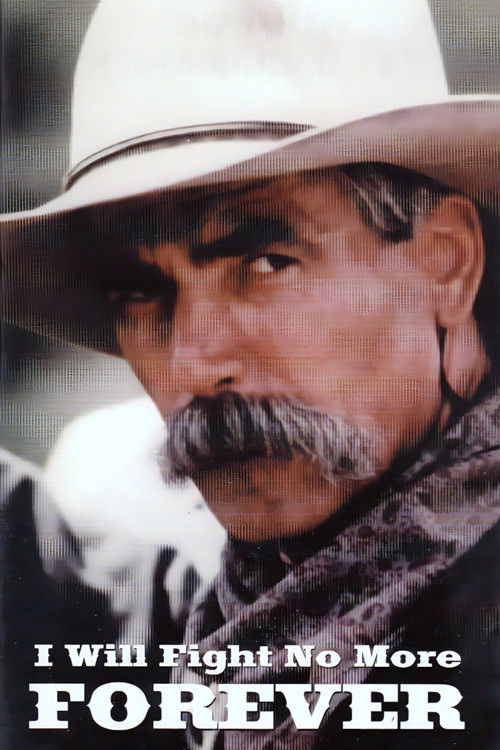
I Will Fight No More Forever stands out from typical Western films by shifting the focus to the Nez Perce tribe instead of the US Cavalry. It provides a unique look at the systemic displacement of Native Americans during westward expansion. While the film shines in racial and cultural representation by emphasizing indigenous ability to act, it is still limited by the social norms of its time. The narrative is heavily focused on male roles and military pursuits, which narrows the range of gender diversity. Overall, the film serves as a critique of institutional power, using historical conflicts to highlight the struggles of a underrepresented group, even though it lacks broader characters who reflect more than one aspect of diversity.
Category Breakdown
The film doesn't include any LGBTQ+ characters or stories that go beyond the assumption that everyone is straight or cisgender.
The story focuses on male roles, particularly Chief Joseph and tribal leadership. It doesn't challenge traditional gender roles or show masculinity in new ways.
The film breaks down Western stereotypes by putting the Nez Perce experience front and center. It highlights the systemic unfairness faced by Native Americans during westward expansion.
It critiques the idea of expansionism by showing the US military as an oppressive force. The Nez Perce journey is portrayed as a fight against the dominant socio-political order.
There is no mention of characters with physical or neurological differences in the film.
Present on Screen
Limited or Absent
Official Synopsis
Pursued by 2,000 US soldiers and cavalry, Chief Joseph leads his tribe of 800 Nez Perce on a 1,700 mile journey across the West and towards Canada. Based on the true story of the westward expansion of the United States and the military force used to displace Native Americans from their lands.
1993
2007
1993

1970

1996
1964
2018

2018
No reviews yet. Be the first to share your thoughts on this movie!
Use the rating form above to leave a star rating and optional review.