
Juan Moreira
1973
No user ratings available yet
Representation score: 3.1 out of 10
Representation Score
Limited
1952
Director
Hugo del Carril
Runtime
82 minutes
Average Rating
No ratings yetNew Showbiz Analysis
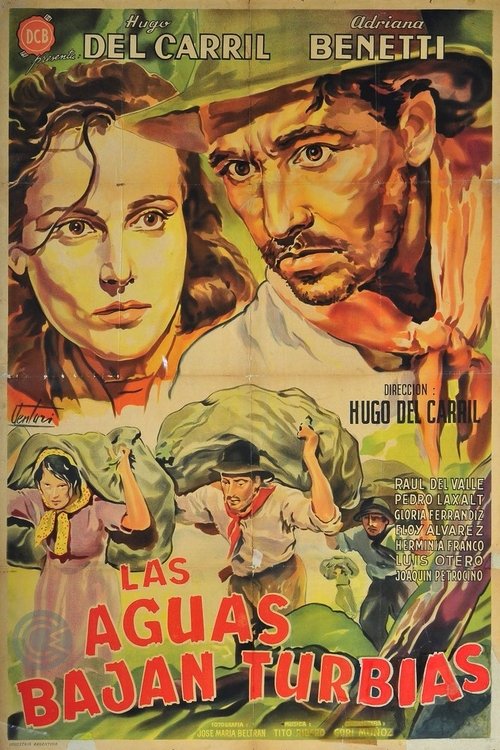
Dark River is a social realist drama that emphasizes class struggle over individual heroism. It stands out by focusing on the systemic exploitation of workers in the Alto Paraná, rather than following conventional Western clichés. The film's strength lies in its progressive narrative structure for 1952, particularly in depicting collective rebellion against oppressive economic systems. It challenges the established order by highlighting the ability to act of the working class. However, the film lacks diverse representation. It does not include LGBTQ+ identities or individuals with disabilities, and its gender dynamics likely adhere to traditional mid-century patriarchal hierarchies.
Category Breakdown
The film does not include any LGBTQ+ characters or stories. It focuses on class conflicts within a traditional Western setting.
The story centers around the Peralta brothers and their involvement in male-dominated labor disputes. Women probably play traditional domestic or supportive roles typical of mid-century dramas.
The Alto Paraná setting implies a regional identity. The theme of worker uprisings often highlights the ability to act of disenfranchised populations against landed elites.
The film explores anti-capitalist themes deeply. It portrays the traditional hierarchy of landowners as inherently oppressive and promotes collective action for social justice.
There is no information available about the depiction of physical or mental disabilities in this work.
Present on Screen
Limited or Absent
Official Synopsis
The Peralta brothers work in the countryside the Alto Paraná. There they will meet subhuman working conditions. Finally, the workers rise and harshly punish their exploiters.
1973
1961
1961

1949
1978
1969
1943
1945
No reviews yet. Be the first to share your thoughts on this movie!
Use the rating form above to leave a star rating and optional review.