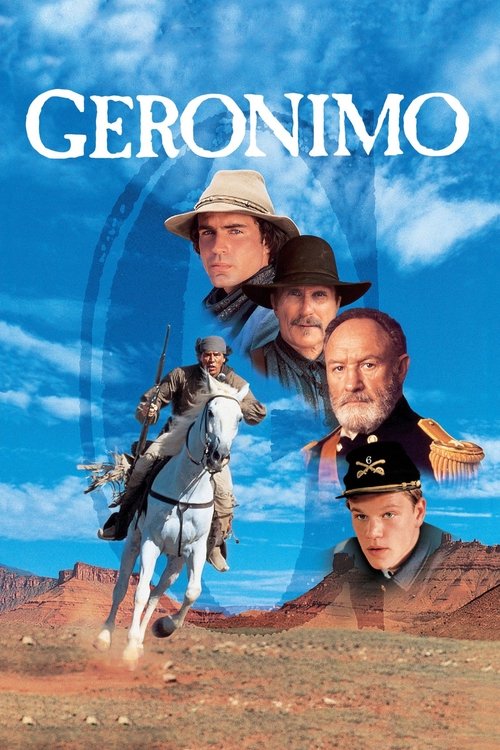
Geronimo: An American Legend
1993
No user ratings available yet
Representation score: 3.2 out of 10

Representation Score
Limited
1996
TV-14Director
John Irvin
Runtime
90 minutes
Average Rating
No ratings yetNew Showbiz Analysis
Crazy Horse (1996) stands out by focusing on the resistance of Native Americans against colonial forces, rather than celebrating colonial victories. The film emphasizes the ability to act of Native American leaders fighting to maintain their sovereignty. However, the film's diversity is limited. While it effectively addresses racial and cultural issues, it does not depict LGBTQ+ or disability representation. Additionally, the gender roles seem to follow traditional, male-dominated genre conventions of the time.
Category Breakdown
The film does not include any characters or stories related to LGBTQ+ identities.
The story likely follows traditional genre conventions, where the main character is a male leader and female characters play supporting roles.
The film focuses on a Native American protagonist and his people's fight against colonial oppression. It highlights the ability to act and resistance of Native Americans.
The film critiques the expansion of institutions and the power of the reservation system, aligning with themes of anti-colonialism and preserving cultural identity.
There is no information about the depiction of physical or neurodivergent disabilities in the film.
Present on Screen
Limited or Absent
Official Synopsis
The legendary Native American chieftain refuses to go with his people peacefully to the reservation and starts a rebellion.
1993
1941

1993
2007
1950

1970
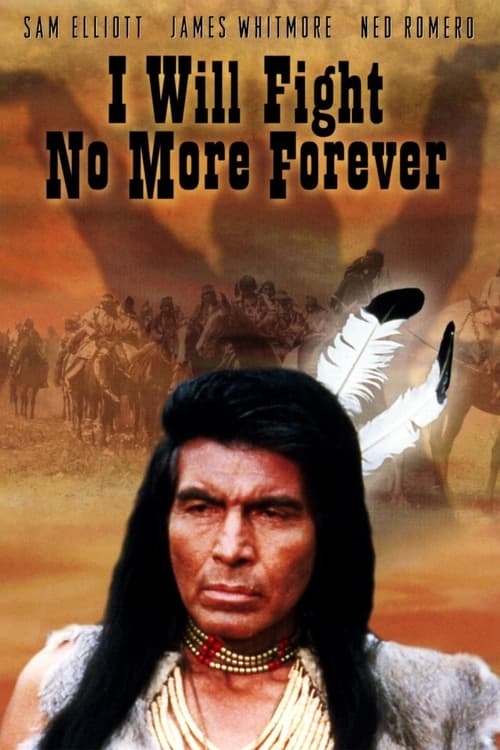
1975
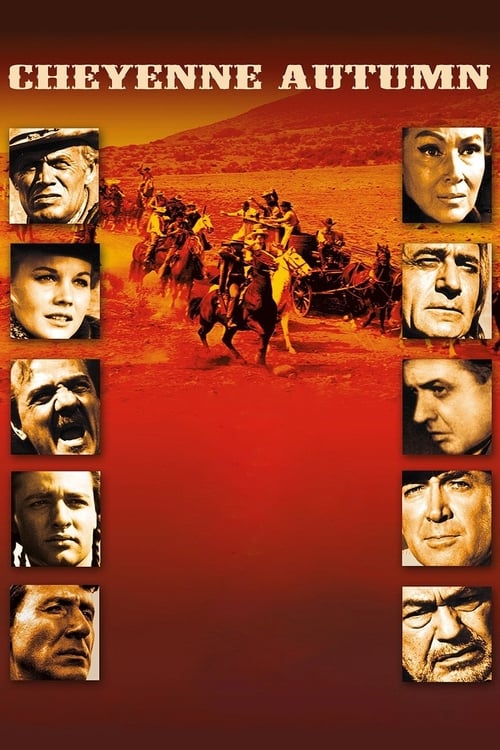
1964
No reviews yet. Be the first to share your thoughts on this movie!
Use the rating form above to leave a star rating and optional review.