The Last of His Tribe
1992
No user ratings available yet
Representation score: 3.1 out of 10
Representation Score
Fair
1983
PGDirector
Charles B. Pierce
Runtime
100 minutes
Average Rating
No ratings yetNew Showbiz Analysis
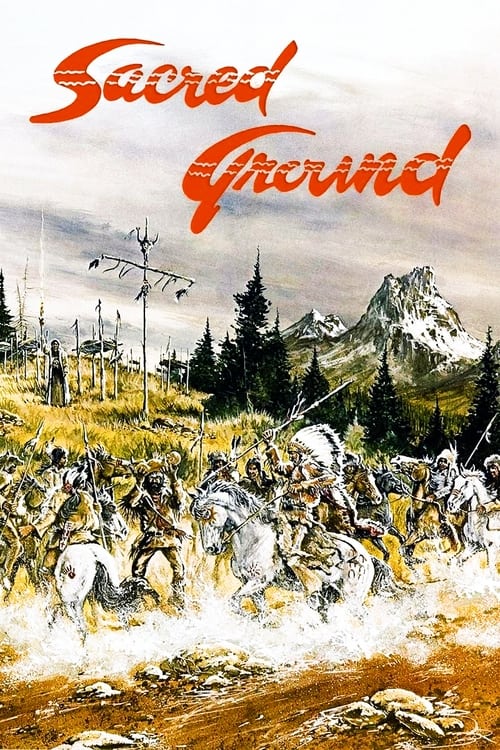
Sacred Ground stands out by focusing on an interracial relationship and the importance of Indigenous land rights. It challenges the idea of the frontier as an empty space by highlighting sacred burial sites. However, the film adheres to traditional genre conventions. Women are often portrayed through suffering and domestic roles, while physical disabilities are used as plot devices. Ultimately, the film addresses non-white identities but does not fully dismantle the patriarchal and colonial frameworks that fuel its violent storyline.
Category Breakdown
The film lacks any representation of LGBTQ+ identities or non-cisgender gender expressions. Family dynamics are strictly based on heterosexual relationships.
The female protagonist plays a key role, but her influence is limited by physical injuries and the responsibilities of motherhood.
The story breaks away from typical Western clichés by focusing on an interracial marriage and the significance of Indigenous lands. It questions the notion of the frontier as an empty space.
The film explores the tension between personal survival and the respect for tribal burial grounds. It looks at how cultural boundaries can lead to systemic violence.
Physical injuries serve as a plot device rather than a detailed exploration of living with disabilities. Characters' physical conditions are used mainly to create narrative tension.
Present on Screen
Limited or Absent
Official Synopsis
SACRED GROUND tells the fact-based story of a mountain man and his Indian wife who happen upon a partially built cabin and finish it for their own home, not realizing that they occupy a sacred burial ground. A Paiute burial party clashes with the couple and in the ensuing skirmish, the wife is critically wounded while in the middle of childbirth. Bitter over her loss and needing a wetnurse for his baby, he steals one of the Paiute woman who had just lost a baby. In this modern version of Helen of Troy, the battle is on, as he takes on the whole band in a desperate attempt to survive. Written by Dale Roloff
1992
1960

1971
1970
1914
1972
1995
1971
No reviews yet. Be the first to share your thoughts on this movie!
Use the rating form above to leave a star rating and optional review.