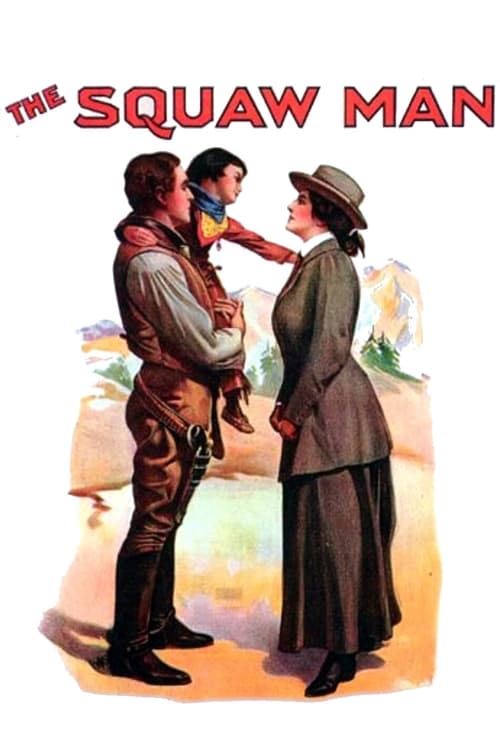
The Squaw Man
1914
No user ratings available yet
Representation score: 2.1 out of 10
Representation Score
Fair
1910
UnratedDirector
James Young Deer
Runtime
11 minutes
Average Rating
No ratings yetNew Showbiz Analysis
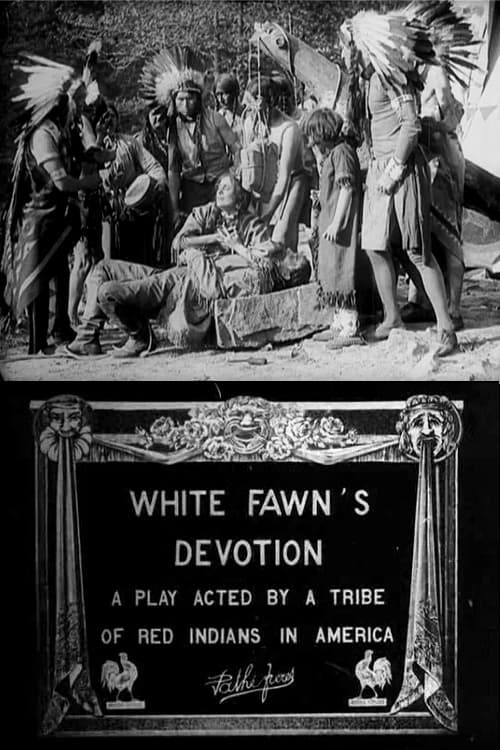
James Young Deer’s direction provides a unique instance of Indigenous ability to act in early cinema. By using Native American actors to depict their own culture, the film actively counters the colonial stereotypes and caricatures common in 1910. The narrative structure focuses on internal tribal dynamics and communal justice. This emphasis on sovereign social structures marks a significant departure from the Western-centric legal frameworks typically found in such films. While the film excels in racial and cultural self-representation, it remains constrained by the silent film format and historical limitations regarding gender and sexuality. It lacks any visible LGBTQ+ or disability representation.
Category Breakdown
The film does not include any LGBTQ+ characters or same-sex relationships. It focuses on traditional romantic relationships within a tribal setting.
The story centers around White Fawn, a female character whose emotional journey drives the plot. She reports to the tribal chief, indicating she has some influence within the community.
This production features an all-Native American cast, which highlights the ability to act of diverse racial backgrounds. This approach challenges the typical white-centric Western narratives and avoids stereotypical representations.
The film emphasizes Indigenous social structures and tribal justice systems rather than Western legal frameworks. It showcases a sovereign cultural identity by focusing on the tribe's internal conflicts and resolutions.
There is no documented evidence of physical or neurodivergent disabilities being portrayed in this work.
Present on Screen
Limited or Absent
Official Synopsis
A frantic child reports to the tribal chief that her father killed her mother. The tribe chases and captures the man, dragging him back for tribal justice.
1914
1930
1961
1960
1916
1943
1927
1975
No reviews yet. Be the first to share your thoughts on this movie!
Use the rating form above to leave a star rating and optional review.