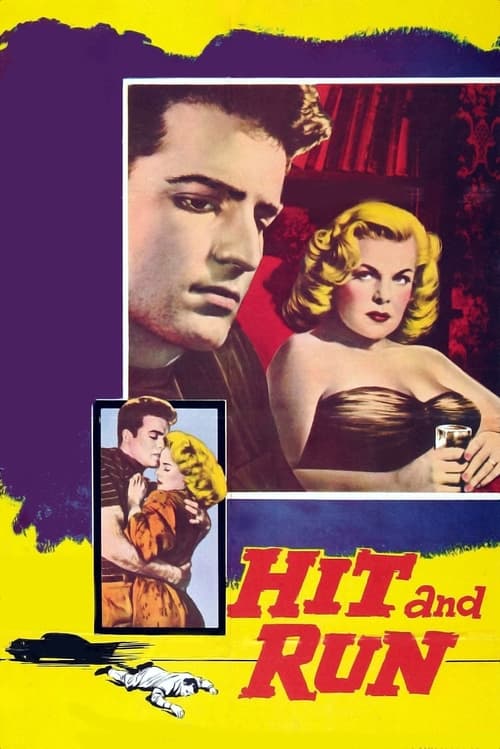
Hit and Run
1957
No user ratings available yet
Representation score: 1.2 out of 10
Representation Score
Limited
1951
NRDirector
Hugo Haas
Runtime
78 minutes
Average Rating
No ratings yetNew Showbiz Analysis
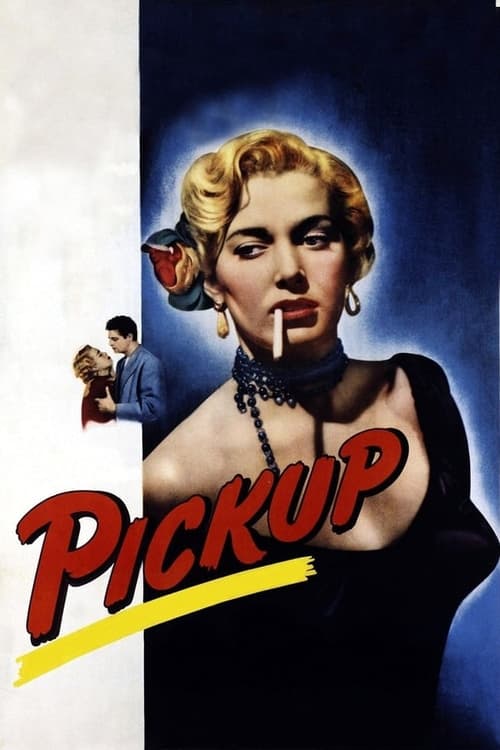
Pickup is a cynical crime drama that finds its strength in subverting social expectations rather than broadening its demographic scope. It avoids the era's typical romantic idealism, opting instead for a bleak exploration of transactional relationships and moral ambiguity. The film's primary contribution to diversity lies in its portrayal of gender dynamics. By showing the male protagonist as a victim of manipulation and the female lead as a calculating agent of her own ends, it disrupts standard mid-century clichés of submissive femininity and stable masculinity. However, the film remains limited by its lack of racial, ethnic, and LGBTQ+ representation. It presents a homogeneous world that lacks the multicultural or non-assuming gender matches what was assigned at birth perspectives found in more inclusive modern cinema.
Category Breakdown
The film does not include any LGBTQ+ identities or non-assuming gender matches what was assigned at birth gender expressions. There are no instances of same-sex relationships or characters with diverse gender identities.
Betty, the female lead, takes a significant role in driving the story through deception and manipulation, challenging traditional gender roles.
The film features a cast that reflects a homogeneous social environment typical of 1950s crime dramas, with no evidence of multicultural integration.
The film challenges the sanctity of marriage and the nuclear family by depicting them as tools for exploitation, focusing on moral relativism rather than traditional social ideals.
There are no depictions of physical impairments, neurodivergence, or characters with visible or invisible disabilities in the story.
Present on Screen
Limited or Absent
Official Synopsis
Jan Horak is a middle-aged railroad dispatcher stationed at a forsaken spot in the desert, within driving distance of the nearest town. A widower, he has saved his money and goes to town to buy a dog, meets Betty, a flashy blonde who gains his confidence and marries him to acquire his $7,000 "fortune."
1957
1955
1954
1955
1953

1957
1953
1954
No reviews yet. Be the first to share your thoughts on this movie!
Use the rating form above to leave a star rating and optional review.