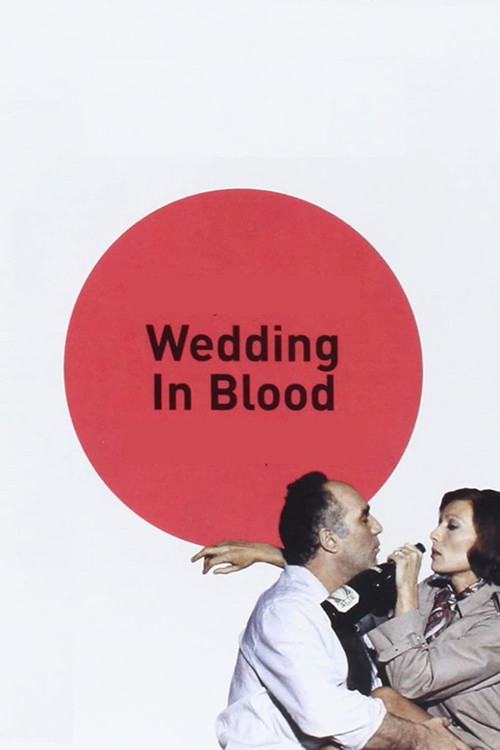
Wedding in Blood
1973
No user ratings available yet
Diversity score: 4.0 out of 10
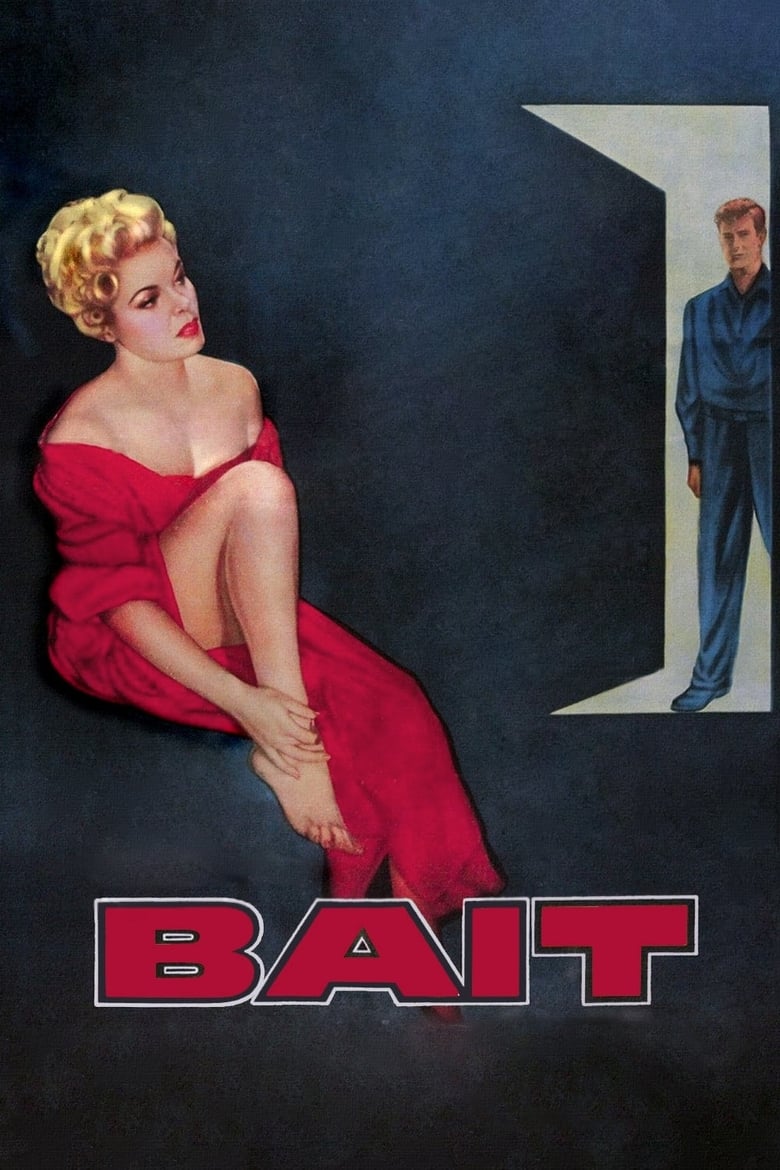
1954
NRDirector
Hugo Haas
Runtime
79 minutes
Average Rating
No ratings yetSynopsis
A man looking for his fortune in a mine decides to tempt his partner with his much younger wife. The goal? To catch them "in the act" and kill him without consequence.
Overall Score
Limited
Category Breakdown
LGBTQ+ Representation
The film lacks any discernible presence of LGBTQ+ characters or narratives. The central conflict is rooted in heteronormative dynamics of jealousy and marriage.
Gender Representation
The narrative disrupts mid-century expectations by centering female agency through manipulation. The female protagonist functions as a primary driver of the plot, subverting traditional passivity.
Racial & Ethnic Diversity
The film appears to lack significant racial or ethnic diversity. The setting and character focus suggest a homogeneous cast typical of 1950s crime dramas.
Religious & Cultural Diversity
The film aligns with the cynical tradition of film noir. It challenges moral certainties by presenting characters who operate outside traditional legal and religious frameworks.
Disability Representation
There is no evidence of characters with physical, sensory, or neurodivergent disabilities being integrated into the narrative as central or supporting figures.
Strengths
Areas for Improvement
AI Analysis
Hugo Haas’s *Bait* is a psychological thriller that prioritizes moral ambiguity over demographic breadth. While it fails to include LGBTQ+ or disabled characters, it offers a notable departure from the era's typical gender tropes. The female lead avoids the 'damsel in distress' archetype, instead using deception to drive the plot forward. However, the film remains largely homogeneous, reflecting the social constraints of 1954. It lacks racial and ethnic diversity, focusing instead on a narrow, cynical exploration of human greed and situational ethics. The narrative succeeds in deconstructing post-war social ideals through its dark, relativistic lens, even if it lacks intersectional depth.
1973
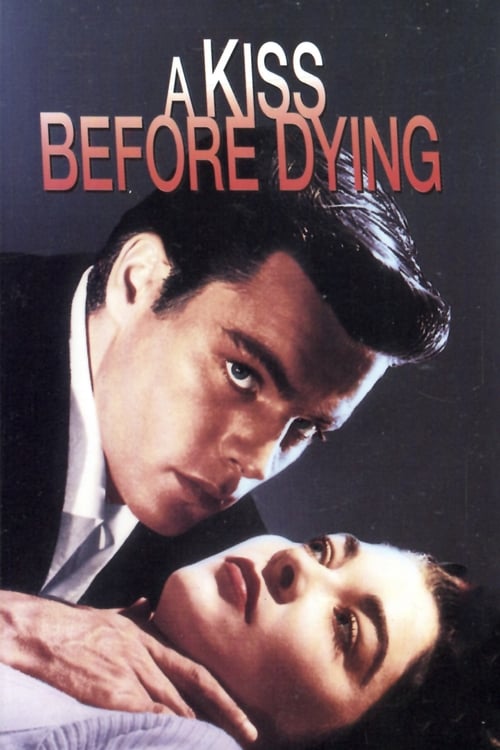
1956

1962
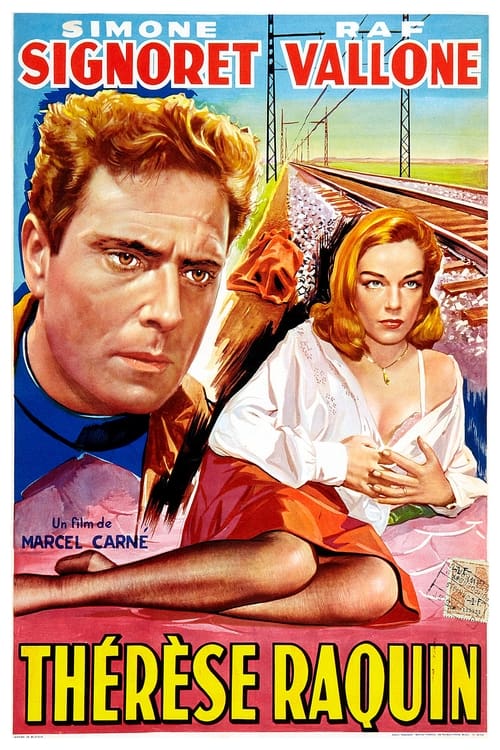
1953

1951
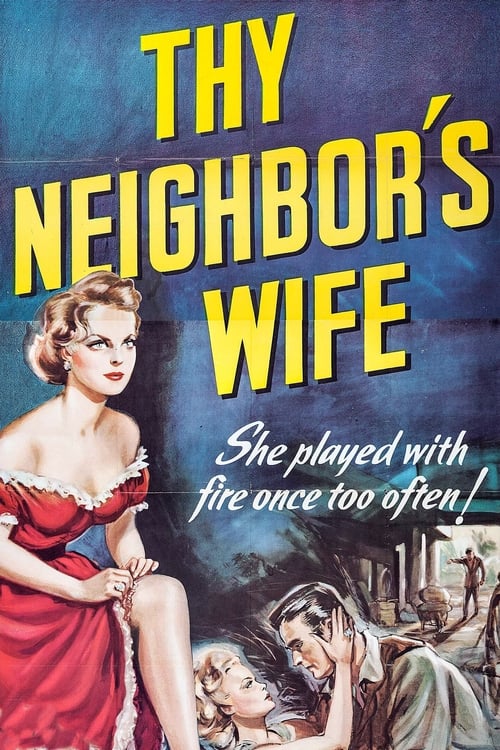
1953
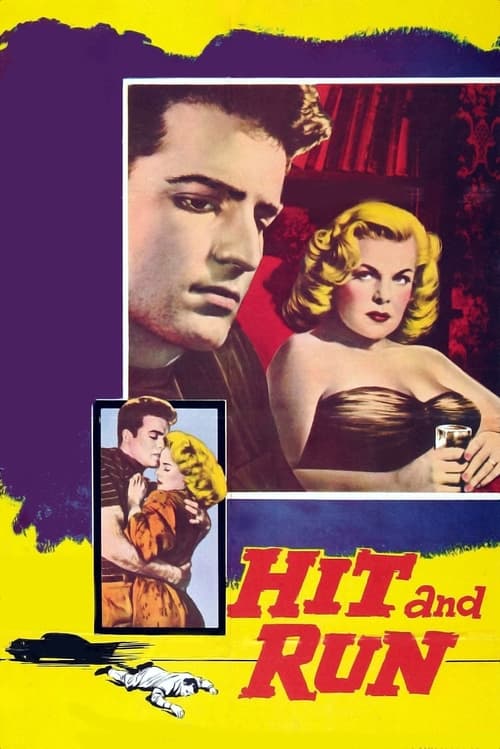
1957
No reviews yet. Be the first to share your thoughts on this movie!
Use the rating form above to leave a star rating and optional review.