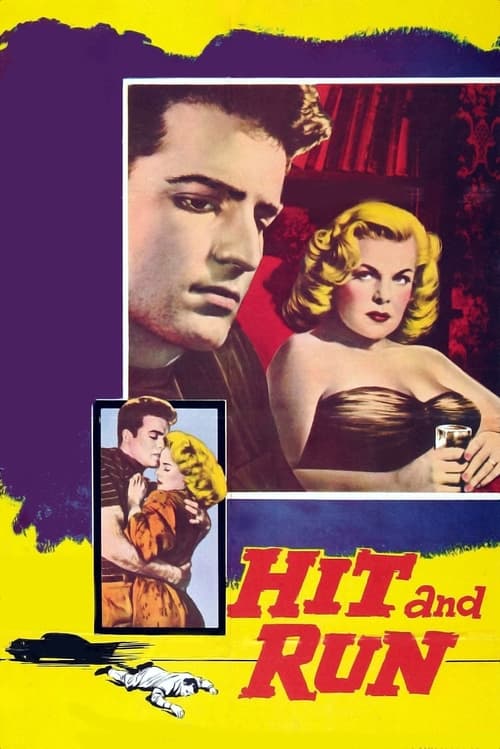
Hit and Run
1957
No user ratings available yet
Representation score: 1.2 out of 10
Representation Score
Minimal
1953
ApprovedDirector
Hugo Haas
Runtime
77 minutes
Average Rating
No ratings yetNew Showbiz Analysis
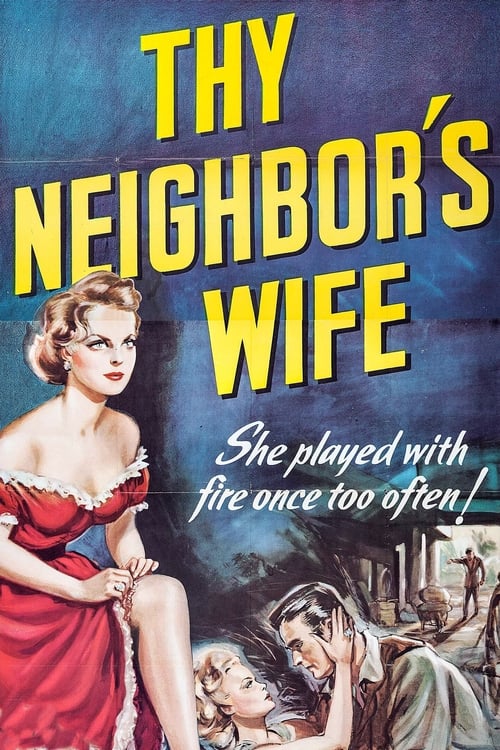
Thy Neighbor's Wife is a mid-century melodrama that delves into the psychological toll of rigid societal structures. The film centers on a judge who uses his position to exert absolute control over his much younger wife through threats and public humiliation. While the film offers a critique of absolute patriarchal authority and the corruption of legal institutions, it lacks complexity in representing multiple aspects of identity. The narrative is driven by traditional gender conflicts and constrained by its historical setting. Ultimately, the work provides a window into mid-century noir themes but lacks the diverse casting and non-normative identities found in more progressive cinema.
Category Breakdown
The film does not include any LGBTQ+ characters or non-straight relationships. The central conflict revolves around a traditional, toxic heterosexual marriage.
A patriarchal structure dominates the story, with a judge using legal authority to enforce strict domestic control. Despite the female lead having ability to act through an affair, she operates within a highly dangerous context.
Set in a 19th-century Moravian village, the film focuses on a homogeneous European population. There are no non-white characters or signs of racial diversity.
The narrative criticizes the corruption of institutional power and rigid morality. It examines how judicial authority can be used for personal vendettas and domestic tyranny.
There are no characters with visible or invisible disabilities. The film does not address neurodivergence or sensory impairments.
Present on Screen
Limited or Absent
Official Synopsis
In 1841, in the small Morovian village of Skalni Hradec, a judge makes his much younger wife witness the public humiliation of an unfaithful wife who is bound with ropes to a wooden half-cross. He then tells her he'll kill her if he ever catches her being unfaithful. Things get tense when she falls for another man.
1957
1938
1949
1964

1951
1953

1945

1998
No reviews yet. Be the first to share your thoughts on this movie!
Use the rating form above to leave a star rating and optional review.