
Roadhouse Girl
1953
No user ratings available yet
Representation score: 1.0 out of 10
Representation Score
Minimal
1957
NRDirector
Hugo Haas
Runtime
87 minutes
Average Rating
No ratings yetNew Showbiz Analysis
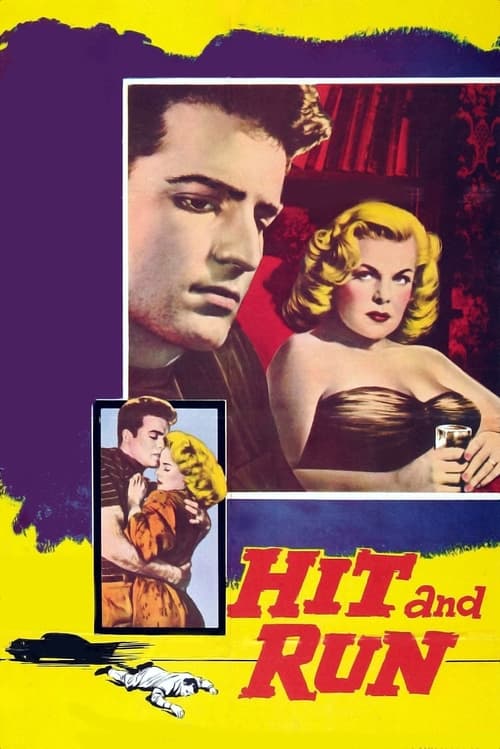
Hit and Run is a product of its era, strictly adhering to mid-century cinematic norms. The narrative structure prioritizes conventional social structures and traditional gender roles, offering very little representation of underrepresented groups. The film functions as a standard crime drama, focusing on individual morality and psychological tension. It does not attempt to challenge established cultural hierarchies or explore the way different parts of someone's identity overlap. Ultimately, the film lacks the diversity required to challenge the status quo, remaining firmly within the homogeneous frameworks typical of 1950s Hollywood.
Category Breakdown
The film follows a traditional mid-century dramatic structure and does not include non-binary gender identities or any critique of the assumption that everyone is straight or cisgender.
The story relies on established gender archetypes. The female lead is positioned as a showgirl cliché, serving as a catalyst for male conflict rather than an independent agent.
The cast appears homogeneous, reflecting the standard social stratum of 1950s American crime dramas. There is no evidence of significant racial blending.
Themes of guilt and accountability are explored through traditional morality. The narrative adheres to standard moralizing clichés rather than critiquing Western institutions.
There is no evidence of characters with visible or invisible disabilities being used as central plot devices or portrayed with specific ability to act.
Present on Screen
Limited or Absent
Official Synopsis
A garage owner marries a much younger woman. Trouble begins when he becomes friends with a man who has his eyes on his former-showgirl wife.
1953
1955

1951

1952
1954
1953
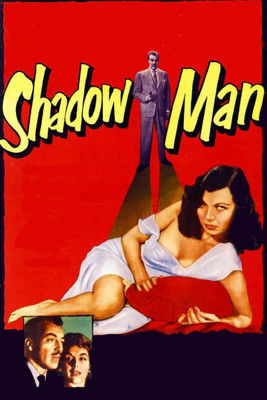
1953

1957
No reviews yet. Be the first to share your thoughts on this movie!
Use the rating form above to leave a star rating and optional review.