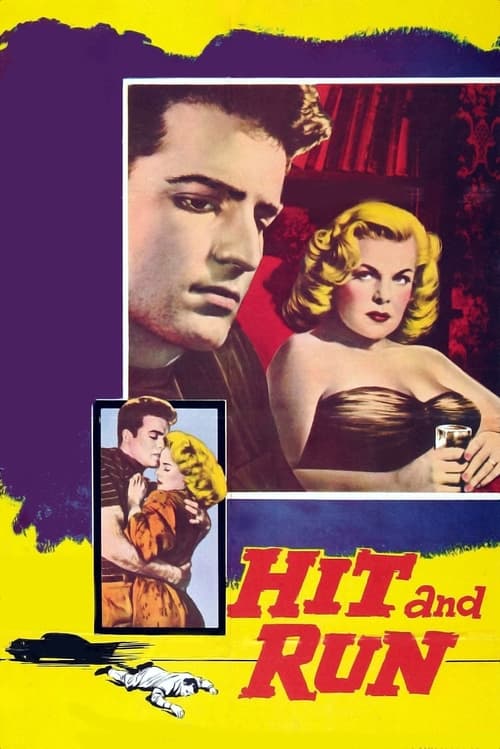
Hit and Run
1957
No user ratings available yet
Diversity score: 2.4 out of 10
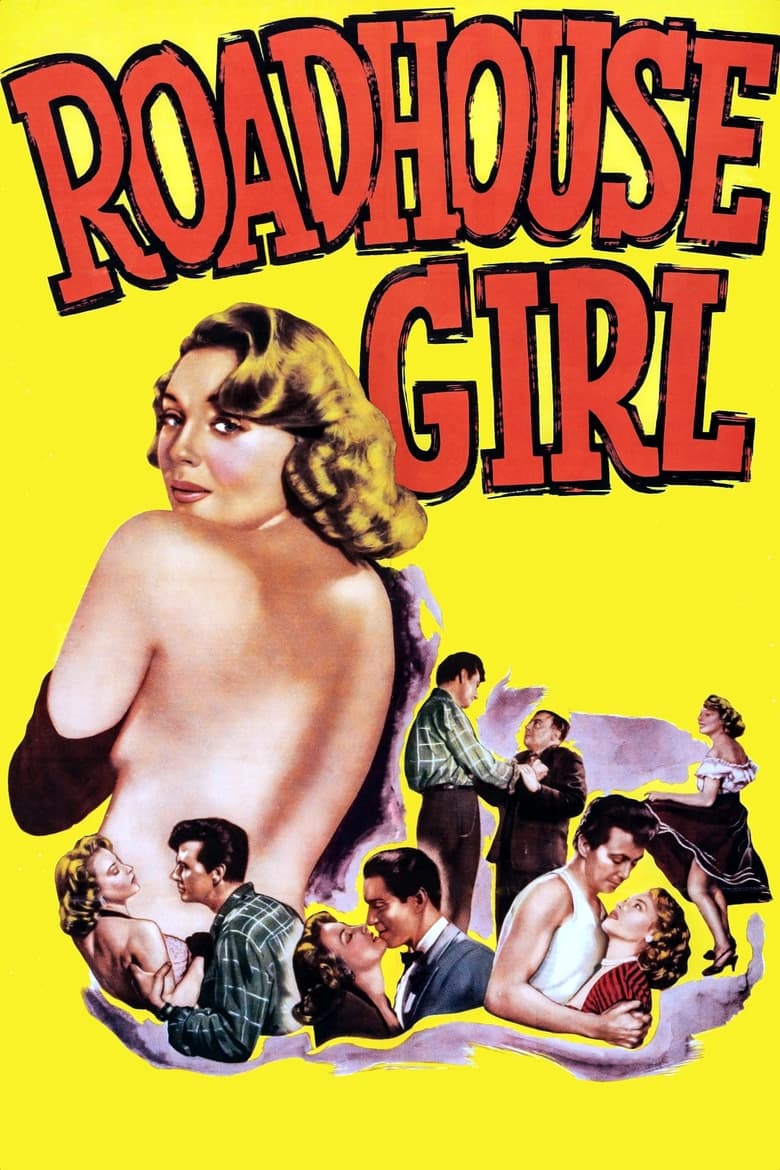
1953
NRDirector
Wolf Rilla
Runtime
70 minutes
Average Rating
No ratings yetSynopsis
A middle-aged garage owner's life is turned upside down when his new mechanics gets it on with his sexy younger wife.
Overall Score
Minimal
Category Breakdown
LGBTQ+ Representation
The film centers on heteronormative romantic conflict and marital infidelity. There is no evidence of non-cisnormative identities or critiques of traditional attraction.
Gender Representation
The narrative relies on the 'temptress' archetype, where female agency is tied to sexual allure. This reinforces masculine anxieties regarding domestic stability and authority.
Racial & Ethnic Diversity
The film appears to adhere to the homogeneous casting standards of 1953. There is no indication of intersectional casting or diverse ethnic perspectives.
Religious & Cultural Diversity
Themes focus on individual moral failings and the preservation of traditional family structures. The film functions within a framework of conventional social morality.
Disability Representation
There is no evidence of characters with visible or invisible disabilities within the narrative.
Strengths
Areas for Improvement
AI Analysis
Roadhouse Girl is a mid-century melodrama that functions as a product of its era. The story relies on established social hierarchies and conventional gender roles to drive its plot of domestic instability. The film lacks intersectional complexity, focusing instead on a traditional crisis within a small-business setting. It utilizes standard genre tropes rather than offering any systemic critique or progressive narrative subversion. Ultimately, the film reinforces the status quo of the 1950s, prioritizing personal melodrama over diverse or inclusive storytelling.
1957

1952
1959
1931
1949
1947
1947
1953
1953
1957

1957
1955
No reviews yet. Be the first to share your thoughts on this movie!
Use the rating form above to leave a star rating and optional review.