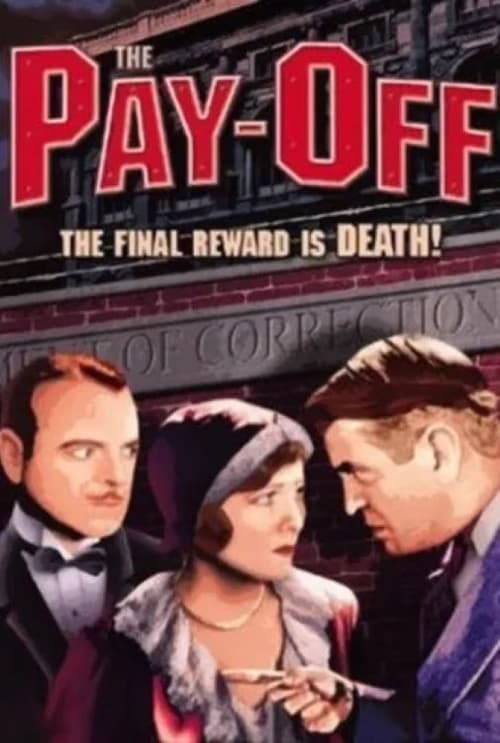
The Pay-Off
1930
No user ratings available yet
Representation score: 1.1 out of 10
Representation Score
Minimal
1931
NRDirector
Tay Garnett
Runtime
76 minutes
Average Rating
No ratings yetNew Showbiz Analysis
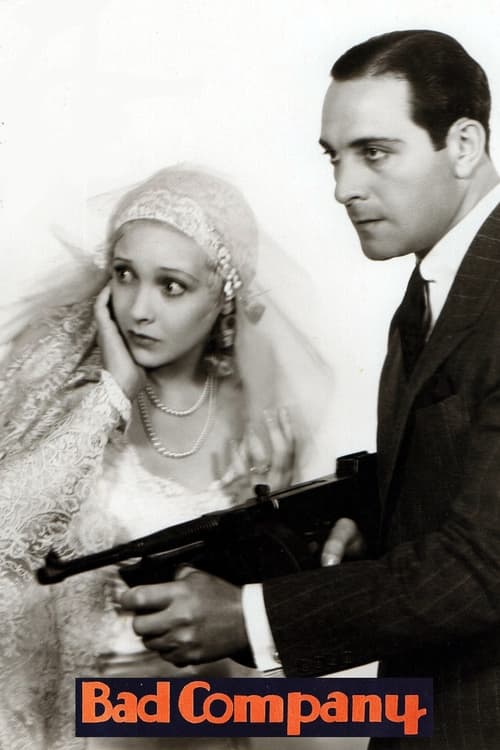
Bad Company is a period-specific crime drama that closely follows the social and demographic norms of 1931. Its narrative structure emphasizes traditional gender roles and lacks diverse representation, focusing on a homogeneous setting. The film relies heavily on well-established gender stereotypes, where women often play the role of prizes in male power struggles. This reinforces traditional hierarchies without challenging them. Overall, the production lacks diversity across nearly all categories, presenting a standard view of the criminal underworld without broader cultural or identity perspectives.
Category Breakdown
The film does not feature any LGBTQ+ characters or non-straight relationships. It focuses solely on heterosexual romance and traditional courtship.
Women are mainly portrayed as objects of desire or catalysts for male conflict. Although the femme fatale archetype adds complexity, female characters' actions are largely driven by male intentions.
The cast appears uniform, reflecting the typical casting practices of early 1930s crime dramas. There is no indication of significant racial or ethnic diversity.
The narrative examines the tension between lawlessness and social order using genre clichés. It does not offer a deep critique of institutions or moral relativism.
There are no characters with physical, sensory, or neurodivergent disabilities in the narrative or character arcs.
Present on Screen
Limited or Absent
Official Synopsis
A psychotic and sadistic mob boss is infatuated with the young wife of his newlywed attorney, and he plots to get him out of the way so he can have her to himself.
1930
1946
1953
1955

1957
1938
1932
1945
No reviews yet. Be the first to share your thoughts on this movie!
Use the rating form above to leave a star rating and optional review.