
Bad Girls Go to Hell
1965
No user ratings available yet
Representation score: 2.8 out of 10
Representation Score
Fair
1950
NRDirector
Ida Lupino
Runtime
75 minutes
Average Rating
No ratings yetNew Showbiz Analysis
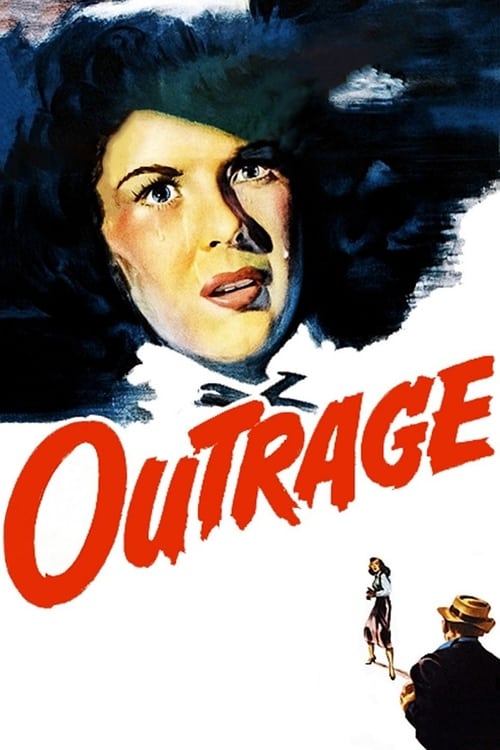
Ida Lupino’s *Outrage* stands out for its focus on female psychological interiority in 1950. By prioritizing the victim's subjective experience over male-driven vengeance, the film challenges mid-century cinematic clichés regarding sexual violence. While the film lacks racial and LGBTQ+ diversity, it excels in its depiction of mental health. It treats psychological trauma as a complex, lived reality rather than a simple plot device. Ultimately, the film's strength lies in its intentionality. Lupino uses the medium to challenge social respectability and the systemic failures facing traumatized women.
Category Breakdown
The film does not include any LGBTQ+ characters or narratives. It adheres strictly to the social structures of 1950, which assume everyone is straight.
The film challenges traditional gender roles by focusing on a woman's active role in driving the story, rather than male dominance. It portrays a strong, resilient woman instead of passive female characters.
The cast reflects the homogeneous demographics of post-WWII America. There are no significant representations of racial or ethnic minorities.
The film highlights the social stigma and judgment imposed by the community. It exposes the fragility of the idealized 1950s social fabric.
The film provides a sophisticated portrayal of invisible disabilities through psychological trauma. It explores the challenges faced by individuals with mental health issues in reintegrating into society.
Present on Screen
Limited or Absent
Official Synopsis
A young woman who has just become engaged has her life completely shattered when she is raped while on her way home from work.
1965

1970
1971

1958

1965

1949

1953

1949
No reviews yet. Be the first to share your thoughts on this movie!
Use the rating form above to leave a star rating and optional review.