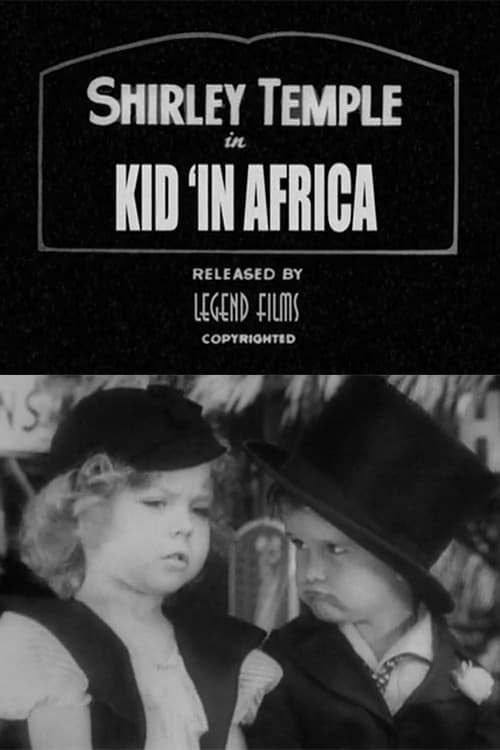
Kid 'in' Africa
1933
No user ratings available yet
Representation score: 0.4 out of 10
No Poster Available
Representation Score
Minimal
1933
ApprovedDirector
Roy Mack
Runtime
11 minutes
Average Rating
No ratings yetNew Showbiz Analysis
Africa Speaks -- English functions as a colonial-era comedy reflecting the biases of the early 20th-century cinematic landscape. The film relies on ethnographic 'othering,' treating African ethnic groups as subjects of spectacle rather than individuals with autonomy. The narrative structure centers around Western protagonists, particularly the comedic routines of Edgar Bergen and Charlie McCarthy. This focus ensures that the power dynamics remain firmly centered on Western perspectives, reinforcing historical colonial clichés. Ultimately, the film lacks any intentionality to disrupt social expectations. It serves as a time capsule of 1930s filmmaking, where underrepresented groups are sidelined or used as comedic backdrop rather than being given meaningful representation.
Category Breakdown
The film does not include any LGBTQ+ characters or representations of non-straight relationships. It adheres strictly to the traditional social norms of the 1930s without any queer subtext.
The narrative reinforces traditional gender hierarchies. Women are portrayed without significant roles or intellect that challenge the patriarchal structures of the era.
Indigenous populations are presented as exotic curiosities rather than characters with ability to act. While diverse ethnic groups appear, the power dynamics remain centered on Western protagonists.
The film operates within a Western-centric framework that views non-Western cultures as 'other.' It supports the era's prevailing colonial and cultural hierarchies.
There is no discernible evidence regarding the portrayal of visible or invisible disabilities in this production.
Present on Screen
Limited or Absent
Official Synopsis
Edgar Bergen and Charlie McCarthy's plane runs out of gas and lands in the African jungle. After a short comedy routine between the two, some natives come by and insist that they stay for dinner. The question then becomes what (or who) will the dinner be.
1933

1929

1923
1940
1933
1932
1947

1938
No reviews yet. Be the first to share your thoughts on this movie!
Use the rating form above to leave a star rating and optional review.