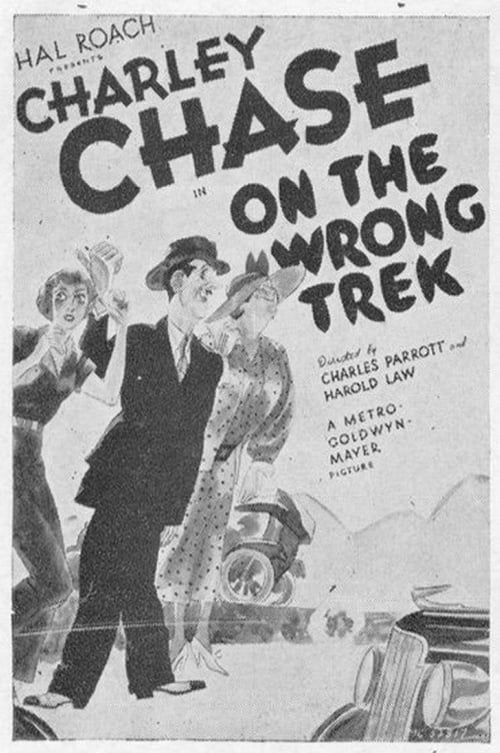
On the Wrong Trek
1936
No user ratings available yet
Diversity score: 1.9 out of 10
No Poster Available
1937
ApprovedRuntime
11 minutes
Average Rating
No ratings yetSynopsis
Sitting in a theater box, Edgar Bergen and Charlie McCarthy make comments between the acts of a vaudeville show.
Overall Score
Minimal
Category Breakdown
LGBTQ+ Representation
The film adheres strictly to the heteronormative standards of the 1930s. There is no evidence of non-cisnormative identities or same-sex intimacy. Character dynamics focus entirely on conventional courtship.
Gender Representation
Female protagonists possess professional agency as performers, yet their arcs are driven by romantic interests. The film reinforces tropes of women as objects of spectacle and romantic pursuit.
Racial & Ethnic Diversity
The film reflects the homogeneous casting practices typical of the era. There is no evidence of significant racial or ethnic diversity within the central cast or setting.
Religious & Cultural Diversity
The narrative celebrates traditional Western entertainment structures and professional camaraderie. It lacks any religious critique or deconstruction of Western institutions, serving instead to uphold contemporary social cohesion.
Disability Representation
There is no discernible presence of characters with visible or invisible disabilities. The cast consists of able-bodied performers, with no engagement with neurodivergence or physical impairment.
Strengths
Areas for Improvement
AI Analysis
Bring on the Girls is a quintessential product of the 1930s studio system, designed as escapist musical comedy. It functions to reinforce, rather than disrupt, the prevailing social and cinematic norms of its time. The film relies on traditional gender hierarchies and homogeneous casting. While the female leads show professional skill, their narrative purpose remains tied to romantic pursuit and spectacle within a Western-centric framework. Ultimately, the work lacks intentionality regarding intersectional representation. It maintains a narrow focus on conventional courtship and standard entertainment structures, offering little depth beyond the era's established social expectations.
1936
1933
1938
1933
1915
1938
1936
1932
1935

1909
1930
1937
No reviews yet. Be the first to share your thoughts on this movie!
Use the rating form above to leave a star rating and optional review.