
All at Sea
1929
No user ratings available yet
Representation score: 1.1 out of 10

Representation Score
Minimal
1932
PassedDirector
Michael Delmer
Runtime
18 minutes
Average Rating
No ratings yetNew Showbiz Analysis
Lighthouse Love operates within the traditional structure of a studio comedy, relying on established social hierarchies. Set in a colonial-era context, the film prioritizes conventional comedic clichés over meaningful exploration of identity. The narrative focuses on military duty and the avoidance of women, limiting the potential for diverse character development and complex social commentary. Ultimately, the production adheres to the standard narrative constraints of the early 1930s, offering little in the way of multi-layered complexity or the subversion of gender and racial roles.
Category Breakdown
The film does not depict any non-straight relationships or identities. The plot revolves around men avoiding romantic entanglements, without exploring queer characters or relationships.
The story centers on a male-dominated military environment where women are portrayed as distractions or objects of pursuit rather than active participants.
Set in a Chinese port, the narrative focuses on the Marines. There is little evidence of local Chinese involvement or diverse perspectives.
The film follows traditional Western social roles without critiquing them. It lacks themes of moral relativism or cultural subversion.
There is no mention of characters navigating physical, sensory, or neurodivergent experiences within the narrative.
Present on Screen
Limited or Absent
Official Synopsis
Two marines stationed in the Chinese port of Hang Chow decide to swear off women and join the lighthouse patrol.
1929

1926

1931

1932
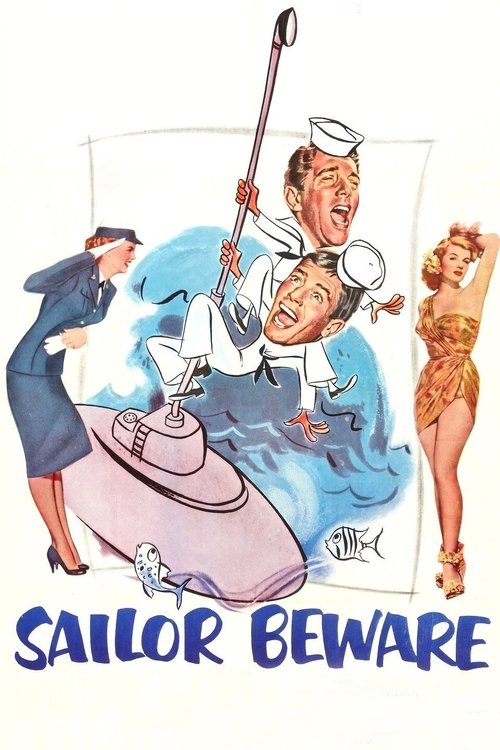
1952

1928

1952
1934
No reviews yet. Be the first to share your thoughts on this movie!
Use the rating form above to leave a star rating and optional review.