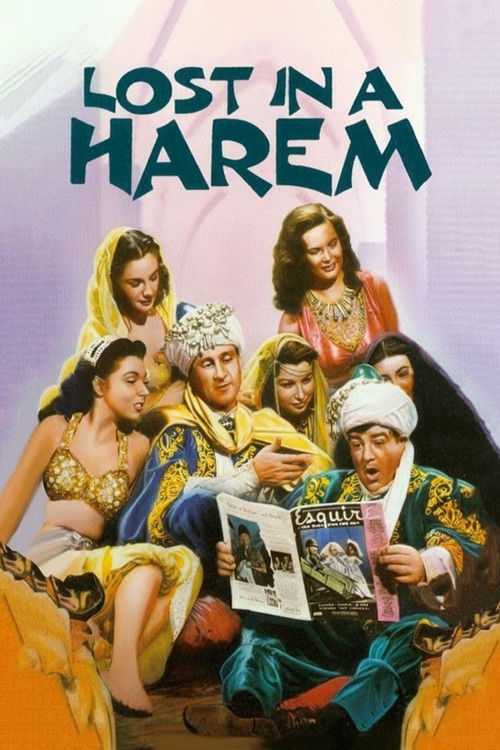
Lost in a Harem
1944
No user ratings available yet
Representation score: 0.4 out of 10
Representation Score
Minimal
1950
Director
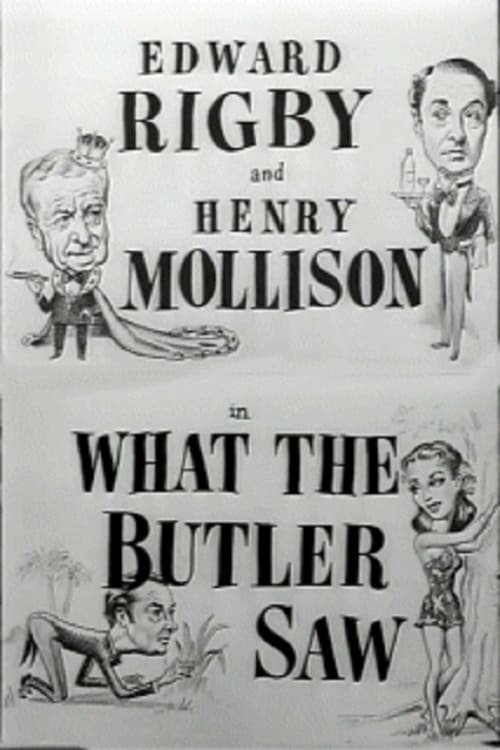
Godfrey Grayson
Runtime
61 minutes
Average Rating
No ratings yetNew Showbiz Analysis
What the Butler Saw operates within the traditionalist and colonialist frameworks of 1950s cinema. The plot depends on established social hierarchies and conventional comedic structures common to the post-war era. The focus on an Earl and a tribal King suggests a narrative that reinforces existing power dynamics. While it introduces non-Western characters, the way they are portrayed may reduce them to mere plot devices. Ultimately, the production lacks complexity in addressing multiple aspects of diversity and follows the standard cinematic frameworks of its time without challenging systemic social norms.
Category Breakdown
The film does not include any characters with non-binary or transgender identities. The focus on a traditional romance between an Earl and a tribal King's daughter reinforces the idea that everyone is straight and cisgender.
The story revolves around powerful male figures such as an Earl and a King. A female character is present, but her role in driving the story is unclear, suggesting she adheres to traditional gender roles of the 1950s.
The film includes a character from a tropical island, introducing non-Anglo-Saxon elements. However, the 'stowaway' premise might rely on outdated colonial stereotypes rather than offering meaningful representation.
The narrative seems grounded in Western colonial viewpoints. It does not critique Western institutions and instead operates within the traditional moral frameworks of the era.
The film does not provide any information about characters with physical or neurodivergent disabilities.
Present on Screen
Limited or Absent
Official Synopsis
An Earl returns from a tropical island and discovers the daughter of the tribal King has stowed away in his luggage.
1944

1940
1942

1963
1962
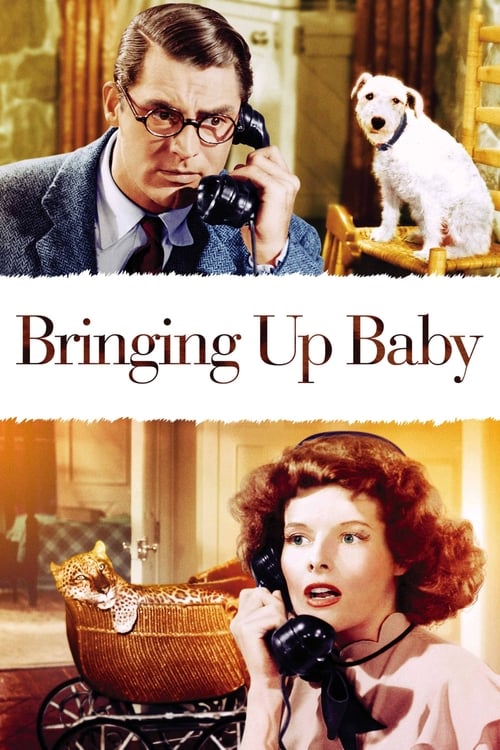
1938

1958

1957
No reviews yet. Be the first to share your thoughts on this movie!
Use the rating form above to leave a star rating and optional review.