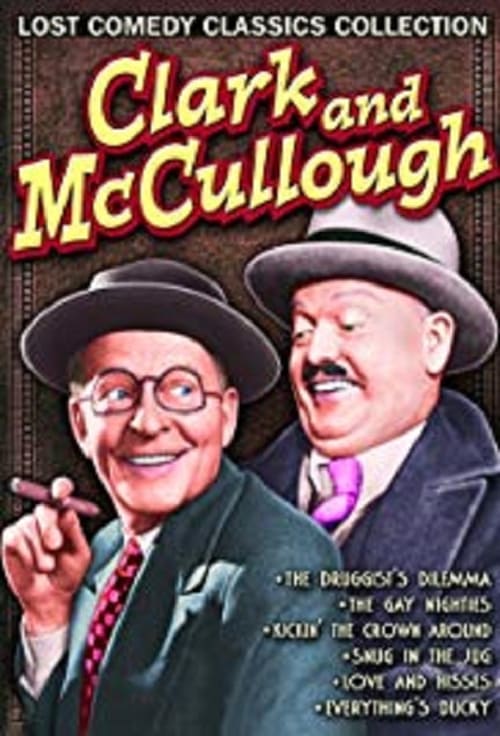
Everything's Ducky
1934
No user ratings available yet
Representation score: 1.1 out of 10
No Poster Available
Representation Score
Minimal
1934
ApprovedDirector
Ben Holmes
Runtime
21 minutes
Average Rating
No ratings yetNew Showbiz Analysis
In a Pig's Eye is a product of the transition from vaudeville to film, prioritizing slapstick humor over nuanced social commentary. The film sticks to traditional comedic clichés and homogeneous casting norms of the early sound era. It does not challenge conventional social expectations or provide meaningful representation for underrepresented groups.
Category Breakdown
There are no visible LGBTQ+ characters or narratives that question the idea that everyone is straight or cisgender.
The story focuses on a male comedic duo, emphasizing masculine energy. Bobby Clark wearing a kilt adds a humorous twist but doesn't challenge societal norms.
The film portrays Scottish culture through stereotypical elements like kilts and bagpipes, which may come across as ethnic caricatures. The homogeneous casting reflects the norms of the time.
The film emphasizes traditional social roles, such as tailoring, without questioning Western institutions or secular themes.
Disability is not used as a central plot device or subject of mockery. Not enough information is available to assign a score.
Present on Screen
Limited or Absent
Official Synopsis
The comedic duo of Bobby Clark and 'Paul McCullough' are tailors who will keep you in stitches -- of laughter. See Bobby in a kilt play the bagpipes!
1934
1935
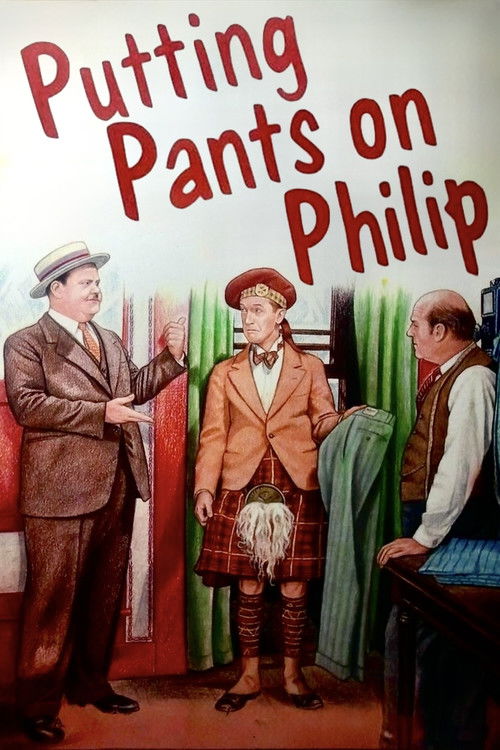
1927
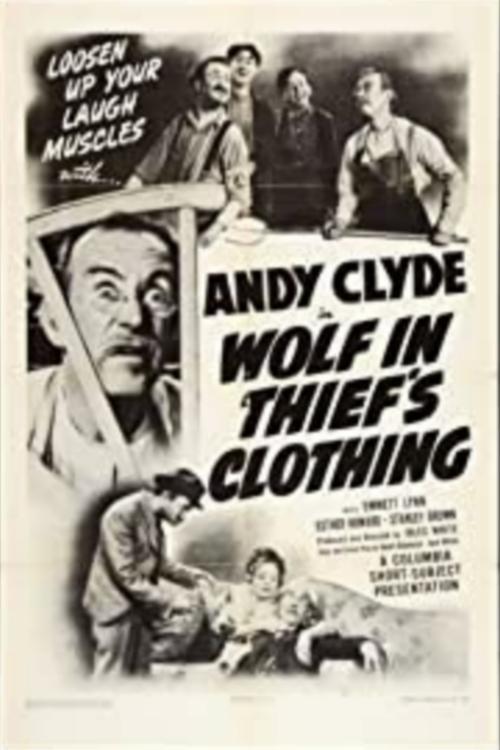
1943
1931
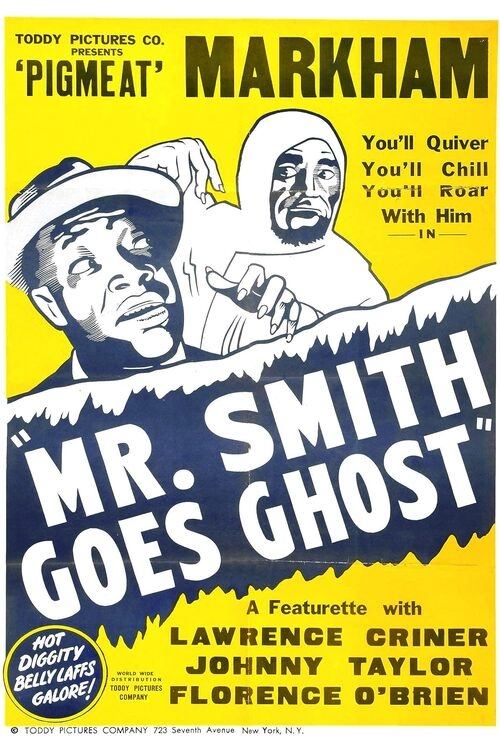
1940
1928
1926
No reviews yet. Be the first to share your thoughts on this movie!
Use the rating form above to leave a star rating and optional review.