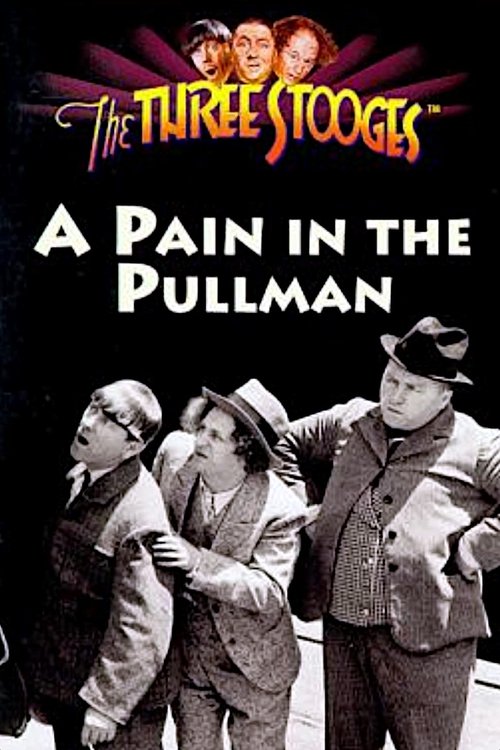
A Pain in the Pullman
1936
No user ratings available yet
Representation score: 1.7 out of 10

Representation Score
Limited
1933
ApprovedDirector
George Stevens
Runtime
20 minutes
Average Rating
No ratings yetNew Showbiz Analysis
Quiet Please! is a character-driven comedy that emphasizes individual frustration. It prioritizes personal humor over social or identity-based themes. The narrative structure adheres to the standard comedic forms of the early 1930s, focusing on the increasing irritation of a single protagonist. The film operates within the conventional social norms of its time. It lacks diverse representation, focusing instead on the personal journey towards tranquility amid social tensions on a Pullman train. Overall, the work reflects the homogeneous demographic standards of early Hollywood, offering minimal characters who reflect more than one aspect of diversity or deconstruction of social hierarchies.
Category Breakdown
The film focuses on a male protagonist's quest for peace. There are no characters with LGBTQ+ identities or critiques of heterosexuality within the story.
The main storyline is driven by Edgar Kennedy. Women appear in minor roles, which may reinforce traditional gender roles typical of the early 1930s.
The setting suggests a predominantly white cast. There is no indication of intentional casting that includes diverse racial backgrounds or challenges Anglo-centric norms.
This is a situational comedy centered around personal annoyances. It does not address anti-Western or secularist critiques and functions as a typical social commentary.
Conflicts arise from sensory irritation and noise. Characters with physical or neurodivergent disabilities are not shown taking active roles; their frustrations serve only as a comedic device.
Present on Screen
Limited or Absent
Official Synopsis
In this comedy of frustration, the fates conspire against gun salesman Edgar Kennedy, and he cannot find peace on the Pullman train he is traveling on.
1936
1932
1940

1936
1936
1934
1930
1926
No reviews yet. Be the first to share your thoughts on this movie!
Use the rating form above to leave a star rating and optional review.