
Adam and Six Eves
1962
No user ratings available yet
Diversity score: 2.2 out of 10

1943
Director
Giorgio Simonelli
Runtime
80 minutes
Average Rating
No ratings yetSynopsis
The explorer Smith leaves with Laura, a beautiful but naive girl, in search of Professor Berti, who mysteriously disappeared in Africa in the midst of one of his researches.
Overall Score
Limited
Category Breakdown
LGBTQ+ Representation
The film follows conventional romantic structures typical of 1943 Italian cinema. There is no evidence of queer narratives or non-cisnormative identities.
Gender Representation
Laura is depicted as a beautiful but naive girl, a trope that suggests passive femininity. The film lacks subversion of gender hierarchies or inept masculinity.
Racial & Ethnic Diversity
The story centers on European characters searching through Africa. This structure aligns with colonial-era adventure tropes that prioritize Western protagonists.
Religious & Cultural Diversity
The narrative emphasizes Western agency through an explorer's quest in foreign territory. It maintains a traditionalist approach to adventure without anti-Western sentiment.
Disability Representation
The available information provides no mention of characters with visible or invisible disabilities.
Strengths
Areas for Improvement
AI Analysis
This 1943 comedy is a product of its era, heavily reliant on established mid-century cinematic tropes. The narrative architecture prioritizes slapstick and traditional adventure over any meaningful intersectional complexity. The film's focus remains on Western protagonists navigating foreign landscapes, which reinforces colonial-era hierarchies. Character roles, particularly for women, appear to follow conventional, passive archetypes rather than offering agency. Ultimately, the work functions as a standard adventure piece of the period, lacking the subversion necessary to challenge the social or cultural norms of the 1940s.
1962

1950

1941
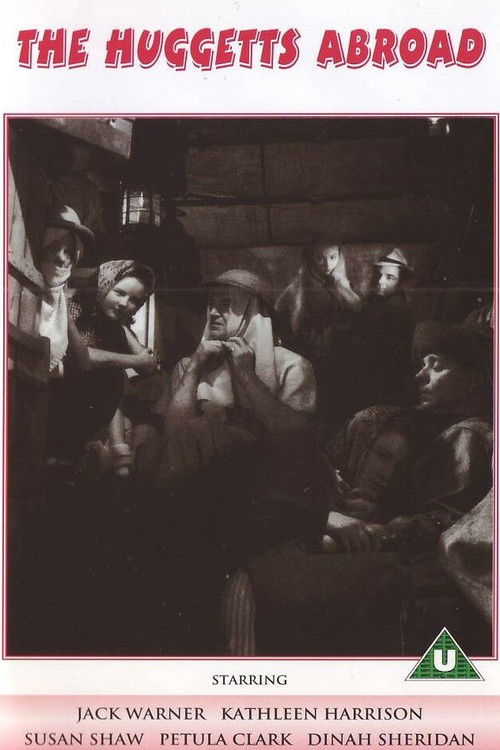
1949

1962
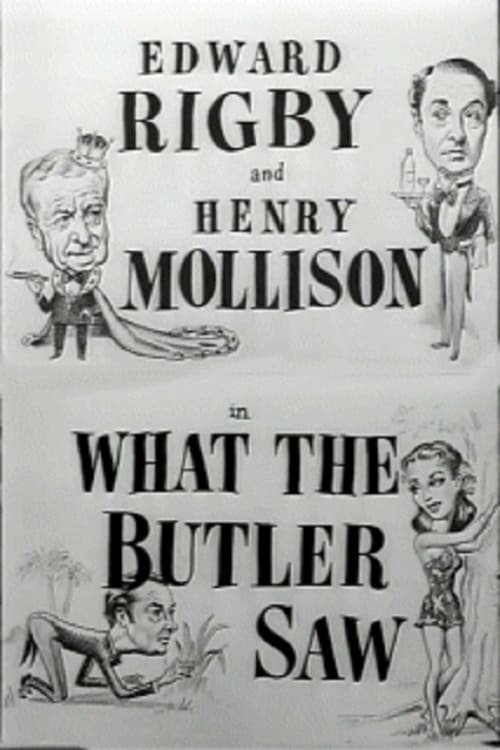
1950
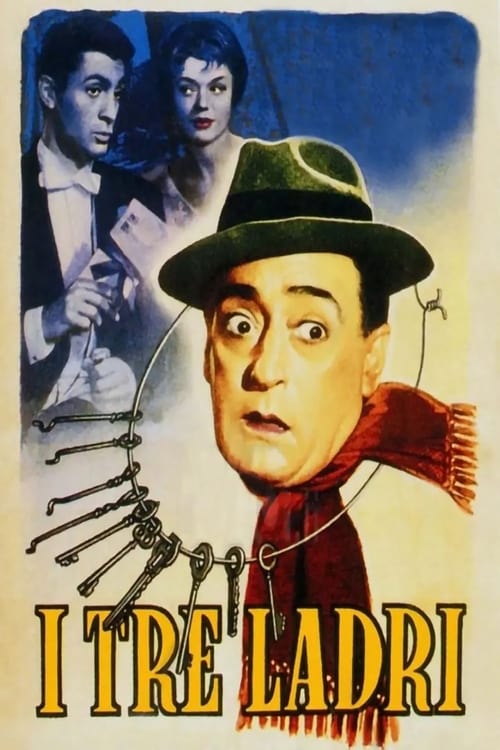
1954
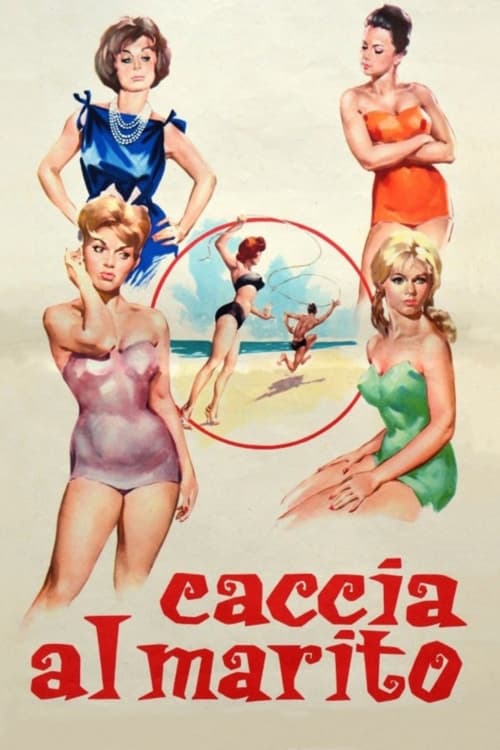
1960
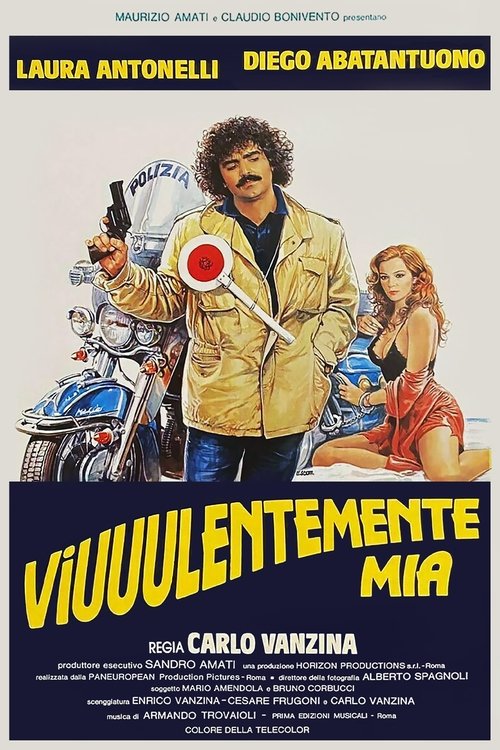
1982
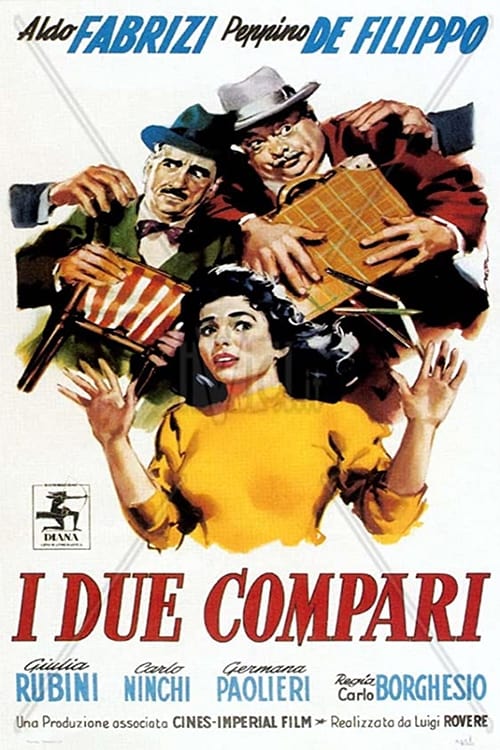
1955
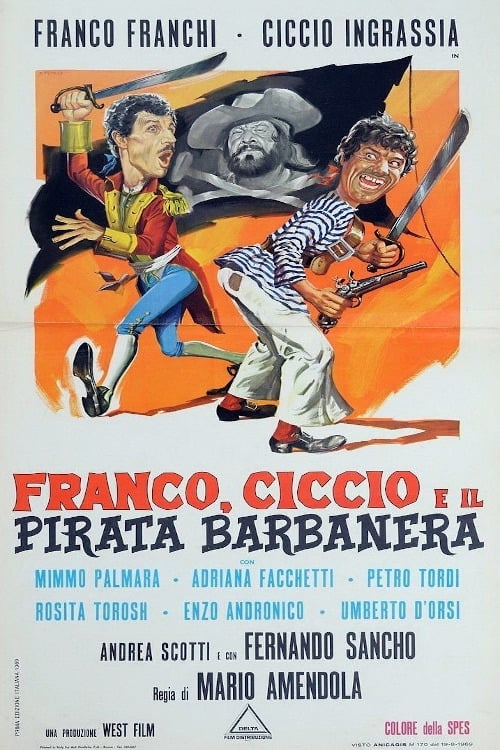
1969

1923
No reviews yet. Be the first to share your thoughts on this movie!
Use the rating form above to leave a star rating and optional review.