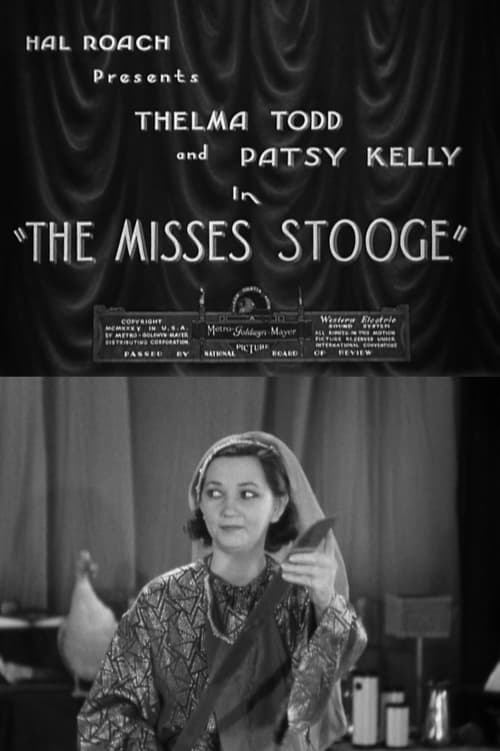
The Misses Stooge
1935
No user ratings available yet
Representation score: 2.5 out of 10
Representation Score
Minimal
1932
PassedDirector
Harry Sweet
Runtime
17 minutes
Average Rating
No ratings yetNew Showbiz Analysis
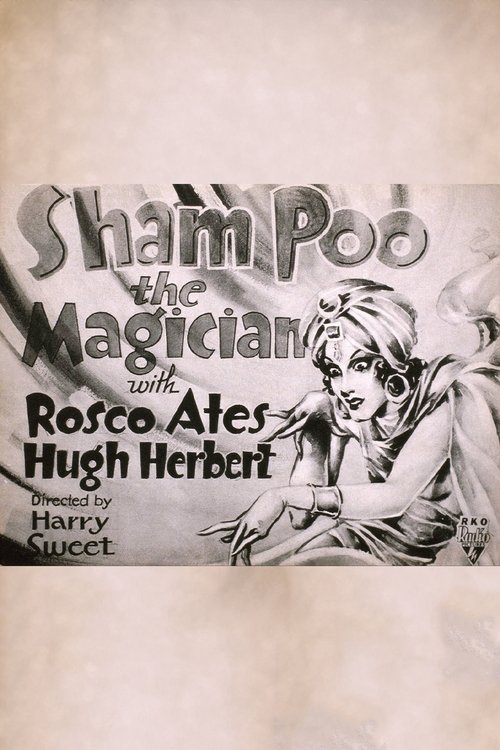
Sham Poo, the Magician, is a product of early 1930s comedic traditions, focusing on slapstick and situational humor rather than deeper social commentary. The film adheres to established social hierarchies and character archetypes of the era. Although Roscoe Ates' presence adds some racial diversity, the use of fezzes for comedic effect suggests a superficial engagement with non-Western cultures. Gender roles are strictly traditional, with women primarily serving as catalysts for male interactions. Overall, the film upholds the social norms of its time rather than challenging them through diverse or layered storytelling.
Category Breakdown
The film does not include any characters with LGBTQ+ identities or those who identify differently from their assigned gender at birth. The bar setting reflects a traditional social environment typical of the 1930s.
Gender roles adhere to the conventions of the time. Dorothy Granger is portrayed as an object of desire for the male characters rather than having her own independent ability to act.
Roscoe Ates' presence introduces some racial diversity. However, the use of fezzes for comedic purposes indicates a reliance on superficial representations of Middle Eastern culture.
The bar setting reinforces the social norms of the era. Cultural elements like the fez are used as simplistic comedic devices.
No characters with visible or invisible disabilities are mentioned in the narrative.
Present on Screen
Limited or Absent
Official Synopsis
Hugh Herbert and Roscoe Ates are in a bar where all the men wear fezzes. They are trying to make time with cigarette girl Dorothy Granger. Their loud celery-crunching rouses the ire of Jerry Mandy, aka Sham Poo the magician.
1935
1929
1933
1930
1936
1932
1933
1940
No reviews yet. Be the first to share your thoughts on this movie!
Use the rating form above to leave a star rating and optional review.