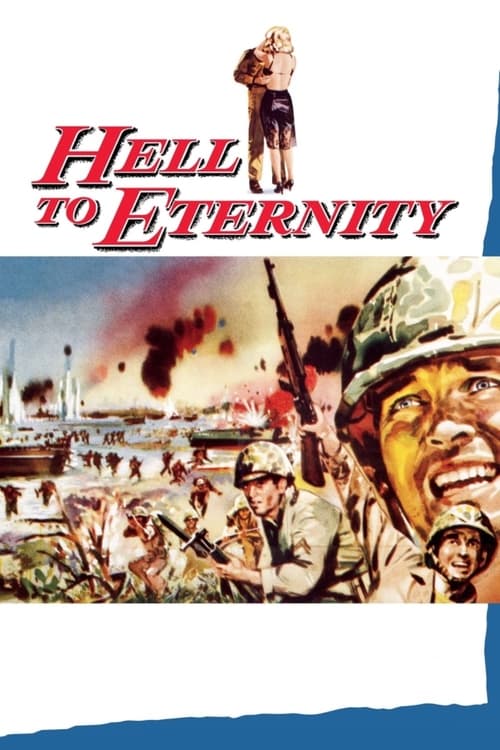
Hell to Eternity
1960
No user ratings available yet
Representation score: 1.2 out of 10

Representation Score
Fair
2006
RDirector
Lane Nishikawa
Runtime
99 minutes
Average Rating
No ratings yetNew Showbiz Analysis
Only the Brave serves as a powerful tool for reclaiming history. By centering the 100th/442nd Infantry Battalion, the film disrupts standard Western war clichés and provides ability to act to a underrepresented ethnic group. It successfully examines the systemic prejudice faced by Japanese Americans during WWII. However, the film remains tied to traditional genre constraints. The narrative is heavily male-centric and lacks visible LGBTQ+ representation, adhering to conventional gender hierarchies often found in wartime dramas. Ultimately, the film's strength lies in its ability to deconstruct nationalistic narratives. It highlights the struggle for citizenship and identity against an oppressive state apparatus, making it a significant study of racial and cultural resilience.
Category Breakdown
The film focuses on a hyper-masculine military environment where there are no explicit LGBTQ+ characters or non-straight relationships.
The story centers on a male-dominated military unit, reinforcing traditional masculine roles and lacking significant female influence or challenges to gender norms.
The film provides exceptional representation by centering Japanese Americans. It shifts the protagonist's perspective from dominant Anglo-Saxon structures to a minority unit fighting for recognition.
The narrative critiques Western institutions and the hypocrisy of the American government during the internment era, presenting a nuanced view of loyalty.
While the film depicts significant casualties, there is no specific evidence of the portrayal of permanent disability or neurodivergence as a central character arc.
Present on Screen
Limited or Absent
Official Synopsis
A searing portrait of war and prejudice, ‘Only the Brave’ takes you on a haunting journey into the hearts and minds of the forgotten heroes of WWII – the Japanese-American 100th/442nd. In 1941, when Japan attacked Pearl Harbor, overnight Japanese Americans were put into internment camps for the duration of the war. Determined to prove their loyalty, 1400 Japanese Americans successfully petitioned the government to serve becoming the 100th Infantry Battalion. They were sent to North Africa, Italy and finally France were they performed an impossibly-dangerous rescue of the Texas 36th Division. During their two years of combat these men received an unparalleled 21 Medals of Honor, 9,486 Purple Hearts, 8 Presidential Citations, 53 Distinguished Service Crosses, 588 Silver Stars and 5,200 Bronze stars – making them the most decorated unit of their size in American military history. This is their story.
1960
1959
1949
1956

1951

1942
1985
1950
No reviews yet. Be the first to share your thoughts on this movie!
Use the rating form above to leave a star rating and optional review.