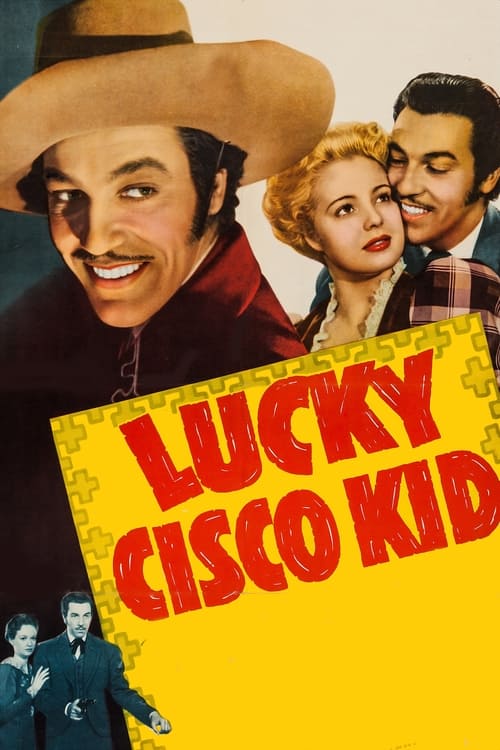
Lucky Cisco Kid
1940
No user ratings available yet
Representation score: 1.6 out of 10
Representation Score
Minimal
1948
PassedDirector
Philip Ford
Runtime
60 minutes
Average Rating
No ratings yetNew Showbiz Analysis
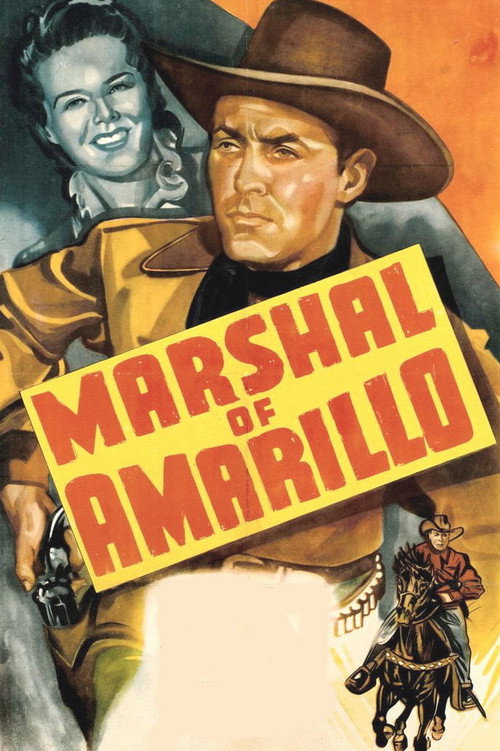
Marshal of Amarillo is a conventional B-movie Western that adheres strictly to the genre clichés of 1948. The film prioritizes a linear law-and-order narrative, focusing on the conflict between a Marshal and outlaws over stolen cash. Because the film operates within a traditional framework, it reinforces existing social hierarchies rather than challenging them. The cast is largely homogeneous, and the plot is driven almost entirely by male characters, leaving little room for diverse perspectives or multi-layered identities. Ultimately, the film serves as a period-typical example of mid-century cinema, emphasizing white protagonists and institutional authority while lacking any significant representation of underrepresented groups.
Category Breakdown
The film follows a strictly heterosexual and cisgender structure typical of mid-century Westerns. It contains no depictions of non-binary or LGBTQ+ identities or same-sex intimacy.
The narrative centers on masculine archetypes of authority and criminality. Women play minor roles, and the plot focuses on male-dominated law enforcement and frontier conflict.
The film features a homogeneous cast reflecting the era's standards. It lacks intentional racial blending or non-white characters in positions of high ability to act.
The story emphasizes traditional Western values and the restoration of order through institutional authority. It functions as a standard genre piece that upholds the status quo.
There is no evidence of characters with visible or invisible disabilities. The narrative does not explore neurodivergence or physical disability as central themes.
Present on Screen
Limited or Absent
Official Synopsis
Nugget, Underwood and Short walk to the Half-Way House after the driver purposely wrecks the stage. They arrive late at night and it is so spooky that Nugget leaves for Amarillo. Unknown to him, the dead body of Short is in the wagon. When Sheriff Lane comes upon Nugget and the body, he goes to investigate and finds no trace of Underwood at all. But he soon finds that Underwood was carrying $50,000 in cash and he believes the story Nugget is telling.
1940

1951

1948

1949
1950
1942
1948
1939
No reviews yet. Be the first to share your thoughts on this movie!
Use the rating form above to leave a star rating and optional review.