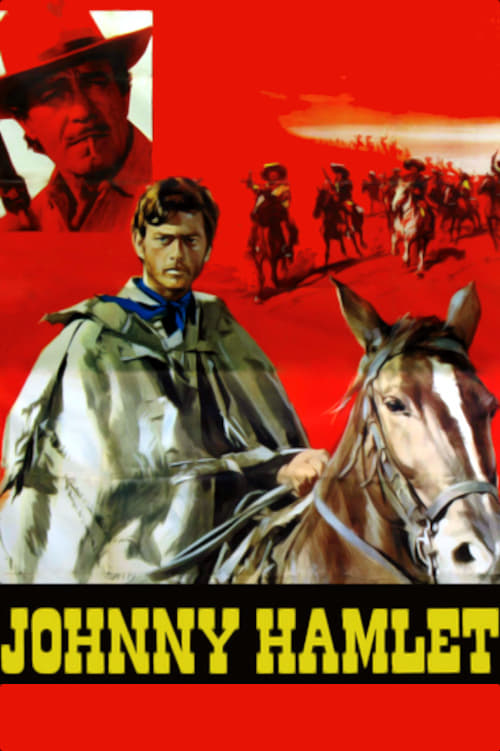
Johnny Hamlet
1968
No user ratings available yet
Diversity score: 3.2 out of 10
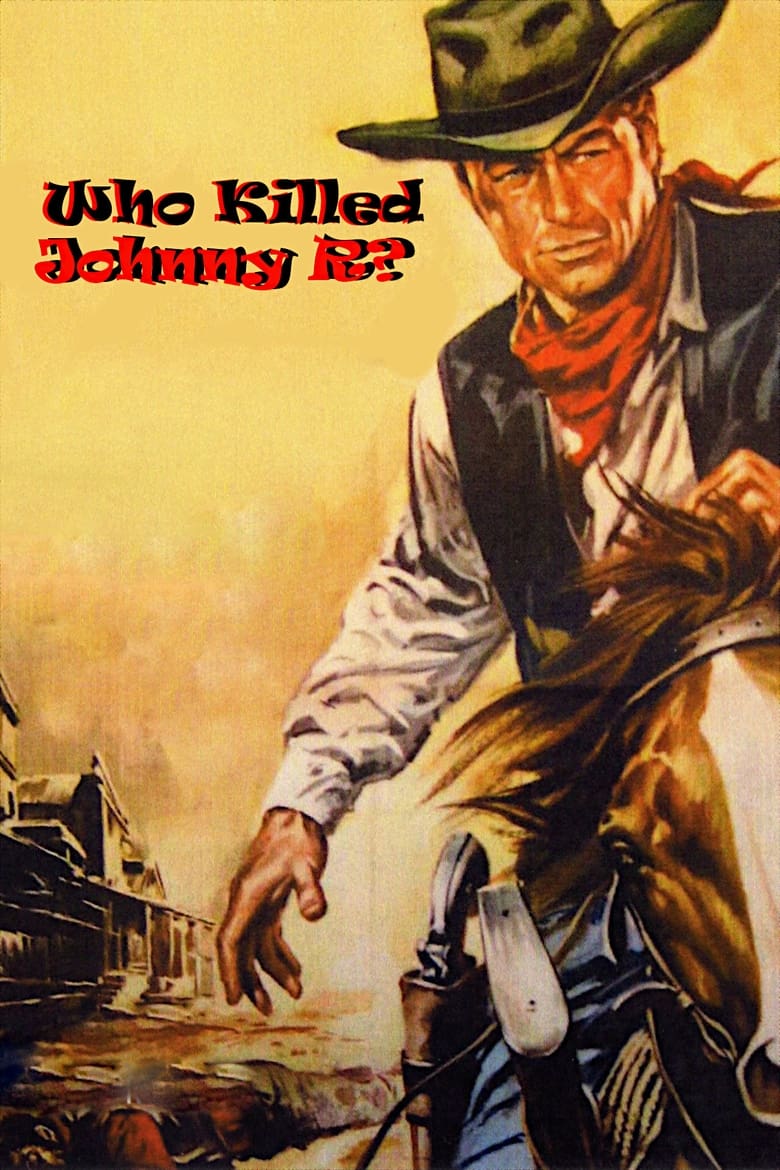
1966
Director
José Luis Madrid
Runtime
91 minutes
Average Rating
No ratings yetSynopsis
An assumed-dead gangster wants to implicate a completely innocent man to pay for his crimes so he can give the slip to his avengers and persecutors.
Overall Score
Limited
Category Breakdown
LGBTQ+ Representation
The film lacks any evidence of non-cisnormative identities or same-sex intimacy. It relies on the traditional masculine archetypes typical of 1960s action cinema.
Gender Representation
Narrative agency is centered on male-driven conflict between a gangster and an innocent man. There is no indication of female characters possessing high agency or subverting gender hierarchies.
Racial & Ethnic Diversity
The story focuses on individual criminal morality rather than ethnic intersectionality. Casting likely follows the homogeneous standards common to 1960s European action co-productions.
Religious & Cultural Diversity
Themes are rooted in classical Western tropes of justice and retribution. The plot avoids critiques of systemic institutions or the promotion of progressive social ideologies.
Disability Representation
There is no mention of characters with visible or invisible disabilities. Disability does not appear to serve as a narrative device or character trait.
Strengths
Areas for Improvement
AI Analysis
Who Killed Johnny R.? is a product of its era, strictly adhering to the conventional narrative structures of the mid-century Euro-Western. The film prioritizes individualistic conflict and traditional archetypes over any exploration of intersectional identities. The plot centers on a personal vendetta involving a gangster and an innocent man, reinforcing established masculine leadership roles. This focus on individual morality and justice tropes leaves little room for the subversion of social hierarchies. Ultimately, the film functions as a standard genre piece. It lacks the representation of diverse identities or the systemic critiques found in more contemporary or progressive cinema.
1968
1972
1967
1966

1965
1968
1968
1965
1966
1967

1951
1966
No reviews yet. Be the first to share your thoughts on this movie!
Use the rating form above to leave a star rating and optional review.