Last of the Wild Horses
1948
No user ratings available yet
Representation score: 0.6 out of 10
Representation Score
Minimal
1949
ApprovedDirector
Philip Ford
Runtime
60 minutes
Average Rating
No ratings yetNew Showbiz Analysis
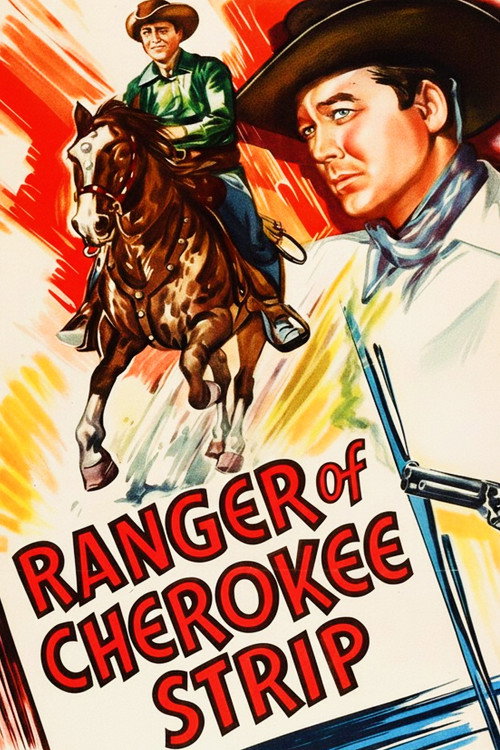
Ranger of Cherokee Strip is a typical genre piece that reinforces the social structures of its time. The plot centers on a conventional struggle for justice, emphasizing masculine authority and the legitimacy of frontier law. The film lacks depth in representing diverse identities, relying on established racial stereotypes and traditional gender roles. Although it introduces ethnic tension through the character of Joe Bearclaws, the narrative remains firmly rooted in conservative 1940s norms. Overall, the production serves to reinforce institutional authority rather than challenging the status quo.
Category Breakdown
The film follows the conventions of the 1940s, where everyone is assumed to be straight and cisgender. There is no depiction of LGBTQ+ identities or same-sex relationships.
The story is driven almost entirely by male characters. Women have minimal roles and are mostly secondary to the main action.
The film features a 'half-breed' character named Joe Bearclaws as a central figure. However, the story mainly revolves around the actions of the white lawman, Steve Howard.
The story emphasizes the restoration of law and order. It upholds traditional Western values and mid-century moral standards.
There are no depictions of physical, sensory, or neurodivergent disabilities. Characters are defined solely by their physical abilities.
Present on Screen
Limited or Absent
Official Synopsis
Having been framed for murder, the half-breed Joe Bearclaws (Douglas Kennedy) escapes from jail and Ranger Steve Howard (Monte Hale) goes after him. He catches up with him in the Cherokee Strip where he has no authority. Joe is then framed for another murder and this time Steve knows he is innocent and goes after the real killer.
1948
1934
1945
1942
1943
1932
1950
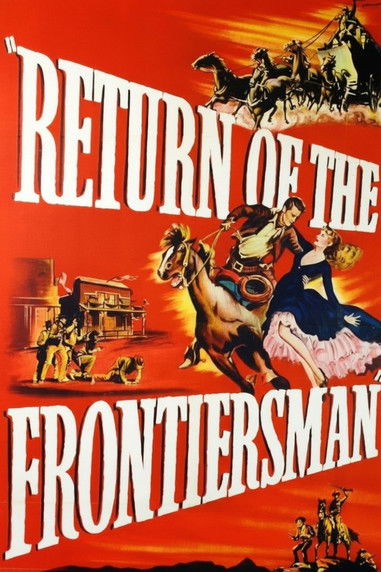
1950
No reviews yet. Be the first to share your thoughts on this movie!
Use the rating form above to leave a star rating and optional review.