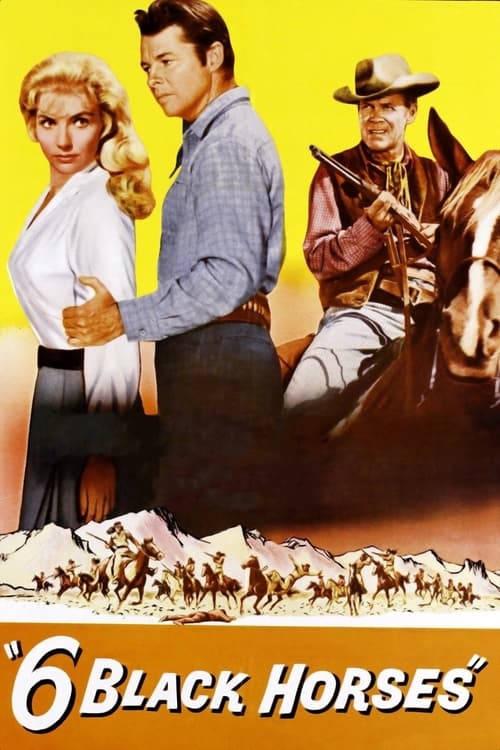
Six Black Horses
1962
No user ratings available yet
Diversity score: 1.8 out of 10

1953
PassedDirector
Harry Keller
Runtime
54 minutes
Average Rating
No ratings yetSynopsis
Banker Mason is after the ranchers land so he can resell it to the railroad for a profit. He has the railroad agent killed and replaces him with his stooge who then offers even less than Mason. But Rocky eventually suspects Mason and when Bill Anderson informs him the agent is a fake, they head out after Mason
Overall Score
Limited
Category Breakdown
LGBTQ+ Representation
The film lacks LGBTQ+ characters or non-heteronormative narratives. It adheres to the traditional romantic and social structures typical of 1953 cinema.
Gender Representation
The plot centers on masculine agency and physical confrontation between male protagonists and antagonists. It reinforces mid-century depictions of male leadership and authority.
Racial & Ethnic Diversity
The film reflects the conventional demographic norms of the era's Western genre. It likely features a homogeneous white cast without evidence of diverse ethnic representation.
Religious & Cultural Diversity
The story operates within a traditional Western framework focused on property and local order. It emphasizes individual justice rather than critiquing Western institutions.
Disability Representation
There is no information regarding characters with visible or invisible disabilities. No such elements appear to serve as plot devices or central traits.
Strengths
Areas for Improvement
AI Analysis
Marshal of Cedar Rock is a standard mid-century B-Western that functions strictly within the established genre tropes of its time. The narrative is driven by a masculine conflict over land and railroad profits, centering on the agency of male characters like Rocky and Bill Anderson. Because the film follows the studio system conventions of 1953, it lacks intentionality in challenging social hierarchies. It presents a linear morality play that reinforces the era's demographic and social norms rather than subverting them. Ultimately, the film serves as a period-typical example of the Western genre, prioritizing traditional structures of authority and property over diverse or complex social representation.
1962
1954
1940

1939
1940
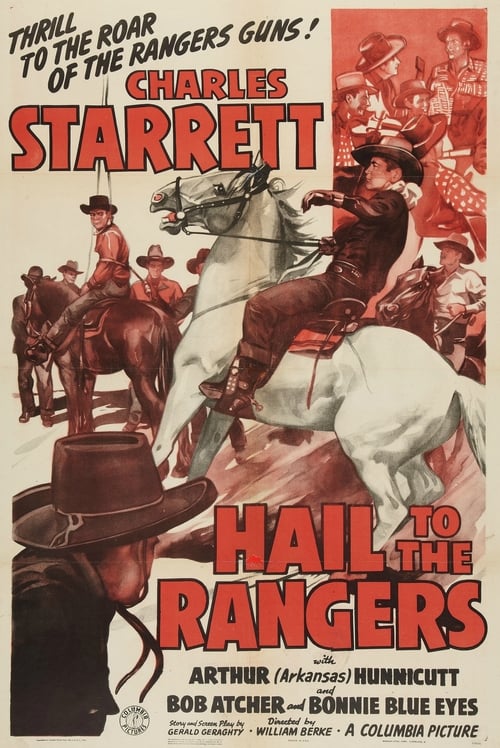
1943
1934
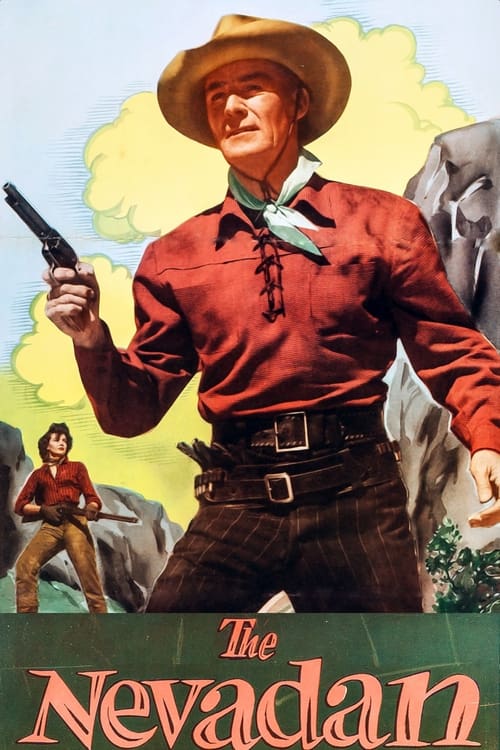
1950
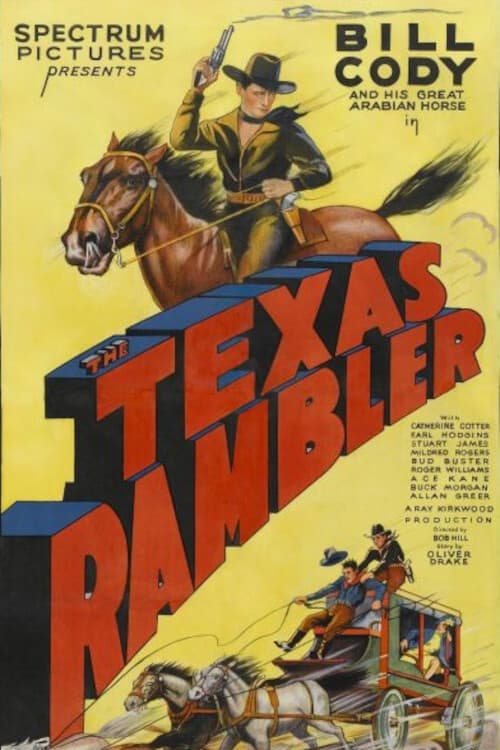
1935
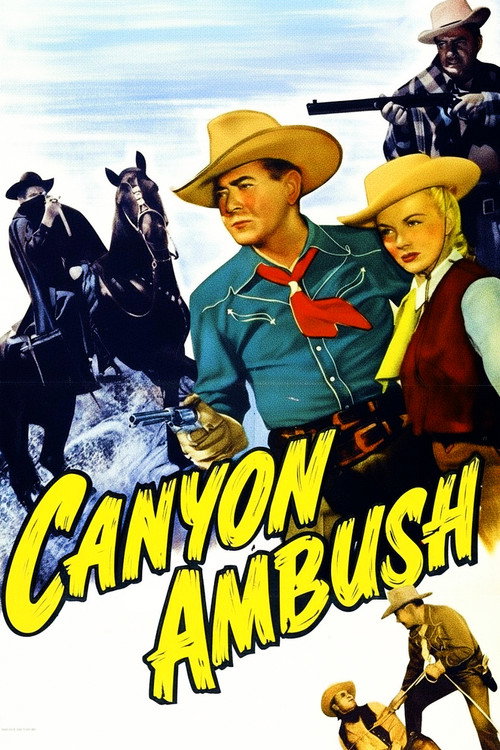
1952
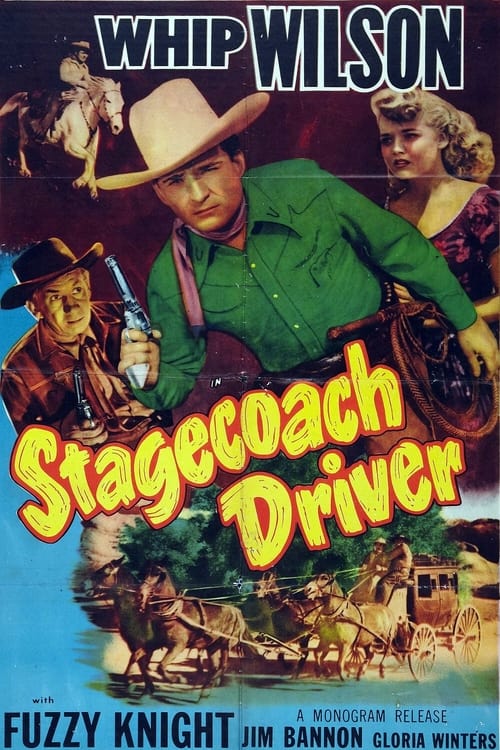
1951
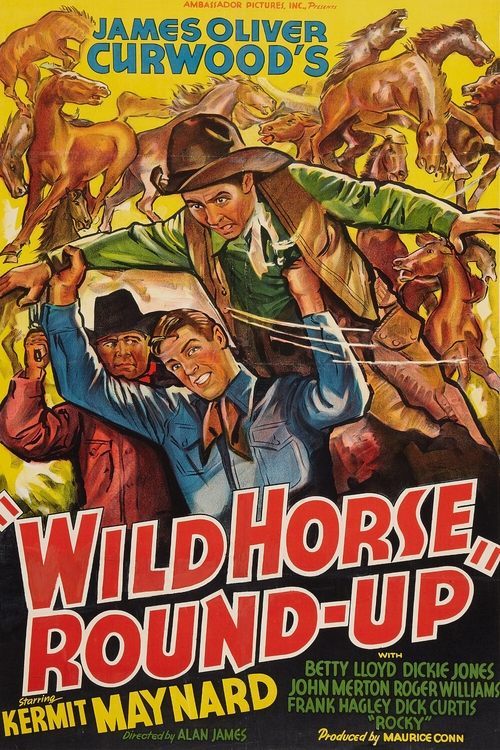
1936
No reviews yet. Be the first to share your thoughts on this movie!
Use the rating form above to leave a star rating and optional review.