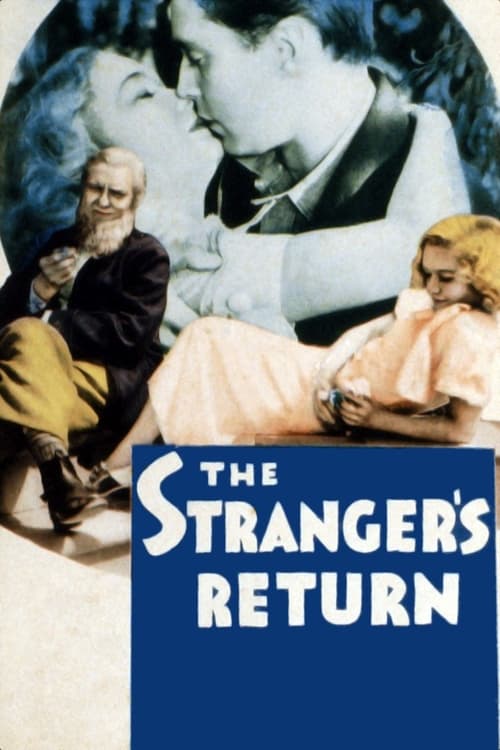
The Stranger's Return
1933
No user ratings available yet
Representation score: 0.4 out of 10

Representation Score
Minimal
1930
NRDirector
F. W. Murnau
Runtime
88 minutes
Average Rating
No ratings yetNew Showbiz Analysis
City Girl operates as a traditional period piece that upholds the social and moral norms of the early 1s. The storyline revolves around a conventional romantic journey from urban independence to rural domesticity through marriage. By focusing on the shift from urban to rural living, the film supports established social structures rather than challenging them. It emphasizes traditional gender roles and cultural expectations of its time. Overall, the film lacks diverse representation and systemic critiques, presenting a study of traditional American life and the contrasts between urban and rural lifestyles.
Category Breakdown
The film features a typical heterosexual romance between a waitress and a man, without any representation of LGBTQ+ identities or critiques of heterosexism.
The story follows a woman transitioning from an urban professional to a rural homemaker, reinforcing traditional gender roles and domesticity.
The film likely reflects the predominantly white casting standards of the 1930s, focusing on the typical depiction of white, Anglo-Saxon rural life.
The movie highlights the contrast between city and country life, emphasizing traditional values such as hard work and family through marriage and labor.
There is no mention of characters with visible or invisible disabilities in the film.
Present on Screen
Limited or Absent
Official Synopsis
A waitress from Chicago falls in love with a man from rural Minnesota and marries him, with the intent of living a better life - but life on the farm has its own challenges.
1933

1920

1937

1934
1935
1927

1938
1928
No reviews yet. Be the first to share your thoughts on this movie!
Use the rating form above to leave a star rating and optional review.